
The Business Model of a Modern Internet Influencer
Modern Internet Influencer


A decade ago, being an internet influencer sounded like a side hobby. Today, it is a legitimate business model with structured revenue streams, marketing strategies, analytics dashboards, and long-term brand positioning. What began as casual content creation has evolved into a sophisticated digital enterprise.
The modern internet influencer is no longer just someone posting selfies or short videos. They operate like media companies. They manage partnerships, negotiate contracts, analyze performance data, build communities, and diversify income sources. Behind every polished post is a business strategy designed to turn attention into sustainable revenue.
Let’s break down how this model actually works.
1. Audience as the Core Asset
At the center of every influencer business is the audience. Followers are not just numbers. They represent attention, trust, and influence. That trust is the real currency.
Unlike traditional advertising, where brands broadcast messages to mass audiences, influencers build niche communities. A fitness creator speaks directly to people interested in health. A tech reviewer attracts gadget enthusiasts. A finance influencer gathers followers who want money advice.
The more targeted the audience, the more valuable it becomes to advertisers.
Influencers focus on:
- Growing follower count
- Increasing engagement rate
- Building loyalty through authenticity
- Maintaining consistent posting schedules
Engagement often matters more than size. A creator with 50,000 loyal followers who comment and purchase products can be more valuable than someone with a million passive viewers.
2. Primary Revenue Streams
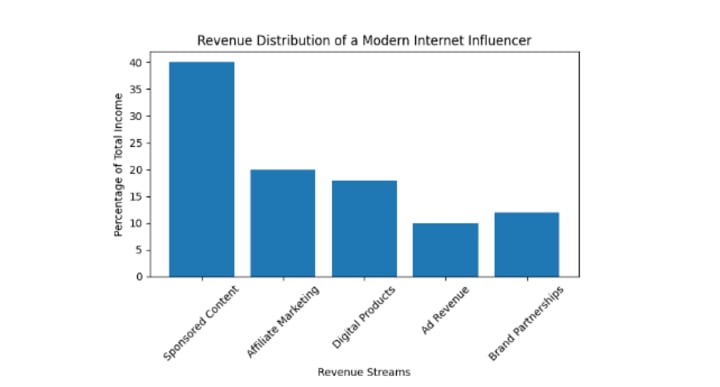
Modern influencers rarely depend on a single income source. Their business model is built on diversification.
Sponsored Content
This is the most common revenue stream. Brands pay influencers to promote products or services. Payment depends on:
- Follower size
- Engagement rate
- Platform
- Industry niche
Sponsored posts may include product reviews, tutorials, unboxing videos, or subtle integrations within lifestyle content.
Affiliate Marketing
Influencers earn commissions when followers purchase through tracked links. This model works especially well for:
- Tech gadgets
- Beauty products
- Online courses
- Fashion items
Affiliate marketing allows passive income. Once content is published, it can generate sales for months or even years.
Brand Partnerships and Ambassadorships
Long-term partnerships are more stable than one-off deals. Instead of promoting dozens of brands, influencers align with a few trusted names. This builds credibility and recurring income.
Digital Products
Many influencers eventually create their own products:
- Online courses
- E-books
- Membership communities
- Templates
- Coaching services
Selling owned products increases profit margins because there is no brand middleman.
Ad Revenue
Platforms like YouTube and TikTok offer monetization programs. While ad revenue alone may not sustain most creators, it adds an additional income layer.
3. Platform Strategy and Algorithm Awareness
Influencers treat platforms like distribution channels. Each platform has its own algorithm, audience behavior, and content format.
- Instagram favors visual storytelling and short-form video
- YouTube rewards long-form value-driven content
- TikTok prioritizes short, high-retention clips
- LinkedIn supports thought leadership
Modern influencers do not rely on one platform alone. They repurpose content across channels to reduce risk. Algorithms change frequently, and relying on a single platform can be dangerous.
This is why many creators also build email lists or private communities. Owning audience access protects long-term stability.
4. Content as a Strategic Product
Content creation is no longer random. It is data-driven.
Influencers analyze:
- Watch time
- Click-through rates
- Conversion rates
- Audience demographics
Every piece of content serves a purpose. Some posts build awareness. Others drive sales. Some nurture community engagement.
The strategy often follows a funnel model:
- Attract attention
- Build trust
- Offer value
- Present monetized solution
The influencer becomes both media producer and marketing strategist.
5. Personal Branding and Identity
A modern influencer is essentially a personal brand.
This includes:
- Visual style
- Tone of voice
- Core values
- Content themes
- Audience positioning
Brand clarity helps differentiate one creator from thousands of competitors.
In recent years, internet culture has highlighted how quickly attention can turn negative. Platforms and communities sometimes amplify extreme behavior for views. Discussions around viral trends like Influencers GoBe Wild show how sensational content can generate short-term spikes but damage long-term brand trust.
Sustainable influencers understand that reputation is a long-term asset. They balance attention with credibility.
6. Community as Competitive Advantage
Influencers who build communities rather than just audiences create stronger businesses.
Community-building strategies include:
- Replying to comments
- Hosting live sessions
- Running Q&A stories
- Creating private groups
- Offering subscriber-only content
When followers feel connected, they are more likely to support product launches and brand partnerships.
Community reduces reliance on algorithmic visibility because engaged followers actively seek out content.
7. Data, Analytics, and Negotiation
Modern influencers use analytics tools to measure performance. These insights strengthen their negotiation power with brands.
They track:
- Engagement rate
- Audience location
- Conversion performance
- Sales attribution
Brands increasingly demand measurable ROI. Influencers who understand metrics can justify higher fees.
Many creators now hire managers or agencies to handle contracts, ensuring fair compensation and protecting intellectual property.
8. Risk Management and Reputation Control
Influencer businesses face unique risks:
- Platform bans
- Algorithm changes
- Public controversies
- Brand deal cancellations
Smart influencers diversify income streams and maintain clear ethical standards. Viral trends that chase shock value, similar to situations discussed under themes like InfluencersGoBeWild, often create temporary exposure but increase long-term instability.
Reputation management includes:
- Transparent disclosures
- Authentic reviews
- Avoiding misleading promotions
- Crisis communication planning
Long-term trust always outperforms short-term virality.
9. Scaling Beyond Personal Effort
At early stages, influencers handle everything alone: filming, editing, posting, negotiating, and bookkeeping.
As income grows, they scale by:
- Hiring video editors
- Outsourcing graphic design
- Working with virtual assistants
- Partnering with brand managers
Scaling transforms a solo creator into a small digital media company.
Some influencers eventually launch startups, product lines, or even investment portfolios. At that stage, influencing becomes just one branch of a broader entrepreneurial strategy.
10. The Shift Toward Authority and Expertise
The influencer economy is maturing. Audiences are becoming more skeptical. Flashy content without substance struggles to convert.
Today’s successful influencer often positions themselves as:
- Educator
- Specialist
- Industry voice
- Trusted advisor
Niche expertise creates defensibility. Instead of competing with millions of general creators, they dominate a specific segment.
Authority increases pricing power and partnership opportunities.
11. Long-Term Sustainability
The biggest question surrounding influencer businesses is sustainability.
Can attention-driven income last?
The answer depends on:
- Adaptability
- Brand positioning
- Audience ownership
- Ethical practices
Those who constantly evolve with platform trends while protecting their core brand identity tend to last longer.
Many influencers transition into:
- Public speaking
- Publishing
- Consulting
- Entrepreneurship
Influence becomes leverage rather than the sole source of income.
Conclusion
The business model of a modern internet influencer is far more structured than it appears from the outside. What looks like casual posting is often a carefully engineered system combining marketing psychology, analytics, branding, and revenue diversification.
At its core, the model revolves around attention converted into trust, and trust converted into income.
However, long-term success depends on credibility. Sensational trends may generate rapid growth, but sustainable influence requires authenticity, strategic thinking, and disciplined execution.
The influencer of 2026 is not just a content creator. They are a brand builder, strategist, entrepreneur, and community leader operating in one of the most dynamic business environments in the digital world.
FAQs
1. How do modern internet influencers make most of their money?
Most earn through sponsored content, affiliate marketing, brand partnerships, and selling their own digital or physical products.
2. Is it possible to become a full-time influencer today?
Yes, but it requires niche positioning, consistent content, audience trust, and diversified income streams.
3. Do influencers rely only on social media platforms?
Smart influencers build email lists, communities, and owned platforms to reduce dependence on algorithms.
4. Why is engagement more important than follower count?
High engagement indicates trust and active interest, which leads to better conversion rates and stronger brand value.
5. What makes an influencer business sustainable long term?
Diversified income, ethical branding, strong community relationships, and the ability to adapt to digital trends.
About the Creator
Scott Andery
Scott Andery is a Marketing Consultant and Writer. He has worked with different IT companies and he has 10+ years of experience in Digital Marketing.
Keep reading
More stories from Scott Andery and writers in Journal and other communities.
Google Cloud Security AI Workbench Explained: Features and Benefits
Cloud environments are getting more complex every year. Multi cloud deployments, containerized workloads, remote teams, and constant releases mean security teams are under serious pressure. Traditional tools still matter, but they struggle to keep up with the speed and scale of modern infrastructure.
By Scott Andery4 days ago in Journal
Preventing Errors In Claims Submissions
Introduction Claims submission errors can significantly disrupt healthcare revenue cycles. Even small inaccuracies in coding, documentation, or patient information can lead to denials, delayed payments, and increased administrative costs. Preventing errors requires structured processes, staff training, accurate documentation, and ongoing monitoring. Healthcare organizations that prioritize billing accuracy strengthen cash flow, reduce rework, and improve overall financial stability.
By Abdul Mueed5 days ago in Journal




Comments
There are no comments for this story
Be the first to respond and start the conversation.