
UK Says ‘Nothing Is Off the Table’ in Response to US Tariffs
As the United States ramps up tariffs on British goods, the United Kingdom signals it may retaliate with its own measures — escalating trade tensions that could reshape global supply chains and economic diplomacy.

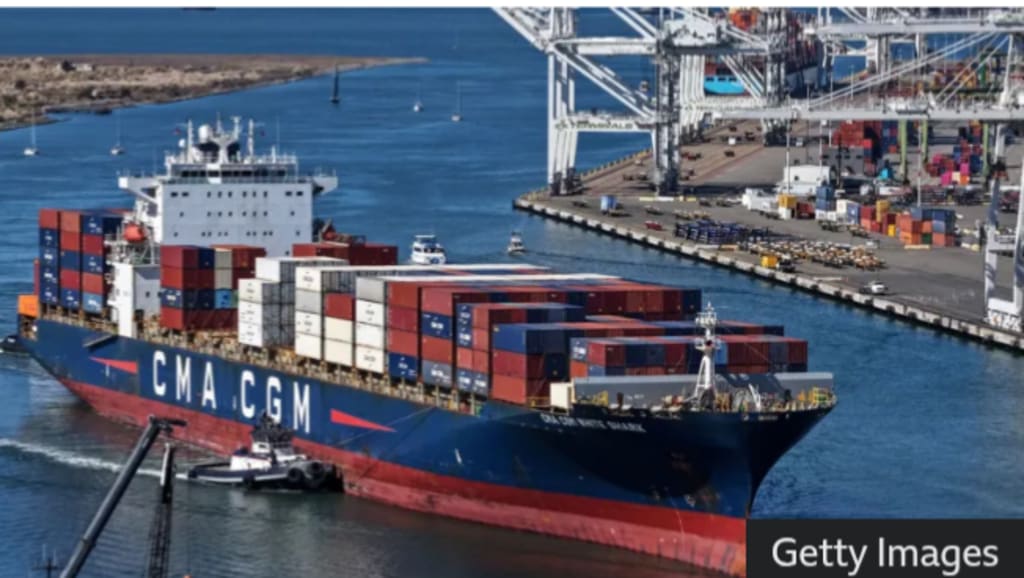
The United Kingdom has sent a clear message to Washington: when it comes to recent U.S. tariffs targeting British exports, “nothing is off the table.” This shift in tone signals a potential escalation in trade disputes between two historically close allies. With British businesses facing rising costs and uncertainty in transatlantic markets, London’s firm stance reflects growing frustration — and a willingness to defend its economic interests.
As cross‑border trade becomes a flashpoint, markets and policymakers on both sides of the Atlantic are closely watching what comes next. From automobiles and steel to financial services and consumer goods, the implications extend far beyond bilateral relations, touching industries and families across the globe.
What Triggered the Tensions?
Tariffs — essentially taxes imposed on imported goods — are not new. Yet recent U.S. actions targeting specific British products have prompted alarm in London. Although Washington argues its tariffs are driven by domestic economic priorities and national security concerns, the UK government believes some measures unfairly penalize British exporters and risk destabilizing a delicate post‑Brexit trading landscape.
For years, tariffs have served as leverage in global trade negotiations, but this dispute places added pressure on a UK economy still adjusting to shifting trade patterns and seeking to bolster ties with partners after leaving the European Union.
While the specifics of the tariffs vary by sector, affected industries include automotive parts, machinery, and select consumer products. Even relatively modest tariff hikes can ripple through production chains, pushing up prices, complicating contracts, and forcing companies to rethink supply routes.
London’s Firm Message
In response, UK officials have made their stance unmistakably clear: nothing is off the table.
This language — reported and repeated by senior ministers — goes beyond polite diplomatic protest. It suggests that London may consider a range of options, from filing complaints with international trade bodies such as the World Trade Organization to imposing retaliatory tariffs of its own.
For British businesses watching the dispute unfold, this response has been met with both concern and cautious optimism. Concern because escalation risks broader economic disruption; optimism because the UK government’s willingness to push back signals support for domestic industries caught in the middle of geopolitical maneuvering.
What Are the Potential UK Responses?
When a trading partner imposes tariffs, the options for response range from mild diplomatic objections to full‑on trade retaliation. Some of the possibilities being discussed in Westminster include:
📌 1. Retaliatory Tariffs
The UK could impose its own import taxes on U.S. goods — targeting industries that are politically sensitive to Washington. While tit‑for‑tat tariff battles can escalate quickly, they can also serve as leverage in negotiations.
📌 2. WTO Dispute Settlement
London could file formal complaints with the World Trade Organization, arguing that the U.S. tariffs violate international trade rules. Previous cases have drawn out over years, but a favorable ruling can strengthen a country’s negotiating position.
📌 3. Targeted Sanctions on Select Products
Rather than broad tariffs, the UK might choose to target specific American goods that have domestic political importance — such as agricultural products, spirits, or technology components — as a strategic maneuver.
📌 4. Negotiated Settlements
Diplomatic avenues remain open. Behind the scenes, trade representatives from both countries could seek negotiated compromises that mitigate tariffs while preserving broader economic ties.
Each option carries risks and rewards. Retaliation can inflict economic harm on both sides, while legal battles through the WTO can be slow and complex. Diplomacy, while ideal, depends on political will and mutual concessions.
What This Means for British Industry
For UK manufacturers and exporters, the uncertainty created by tariff disputes is real and costly.
For example, automotive parts producers — many already grappling with supply chain realignment after Brexit — now face the added burden of higher tariffs when selling in the U.S. This can make British goods less competitive compared to rivals from countries with freer access to American markets.
Exporters in the machinery, aerospace, and consumer goods sectors also face similar pressures. Even a single percentage point increase in tariffs can erode profit margins or lead buyers to seek alternative suppliers.
Small and medium enterprises, which often lack the financial padding of large multinationals, are particularly vulnerable. Without certainty about future trade rules, these businesses may delay investments, scale back production, or reconsider participation in U.S. markets entirely.
How the U.S. Views Tariffs
From Washington’s perspective, tariffs are tools to protect domestic industries and address perceived imbalances in global trade.
The U.S. government has increasingly framed its tariff policies as mechanisms to safeguard jobs, incentivize local manufacturing, and respond to unfair competitive practices abroad. These priorities resonate with American voters and policymakers seeking to strengthen domestic production capabilities in the post‑pandemic economy.
However, critics argue that tariffs can be counterproductive — raising costs for consumers, stifling competition, and provoking retaliatory measures that hurt global commerce. In a tightly interlinked global economy, tariffs often create unintended consequences.
Economic and Political Implications
Trade disputes rarely remain confined to commerce alone; they often bleed into broader political dynamics.
For the UK, the dispute with the U.S. comes at a time when British policymakers are also navigating complex relations with the EU and exploring trade opportunities in Asia and beyond. Adding friction with a historic ally like the United States complicates that calculus.
In Washington, tariff policy is influenced by domestic political pressures, lobbying from industrial sectors, and strategic competition with other global powers such as China. Even within the U.S., opinions vary — with some calling for tighter trade ties and others advocating more aggressive protectionism.
These internal debates shape how America approaches trade partners like the UK and influence the direction of future negotiations.
What Could Happen Next
As tensions simmer, a few scenarios could unfold in the weeks and months ahead:
🔹 Escalation
If both sides impose additional tariffs, the dispute could widen, affecting more sectors and increasing costs for businesses and consumers on both sides of the Atlantic.
🔹 Negotiated Compromise
Diplomacy could lead to compromise — with Washington and London agreeing to reduce tariffs or establish clear trading frameworks that protect key industries.
🔹 WTO Rulings
If the UK pursues legal action through the WTO, the international trade body’s decisions could influence how the dispute evolves, though outcomes may take time.
🔹 Broader Trade Alliances
The dispute could encourage the UK to diversify trade partnerships beyond the U.S. — strengthening ties with the EU, Asia, or Commonwealth countries as part of a broader strategy to reduce dependency on the American market.
Each path carries implications for global trade flows, investment decisions, and economic confidence.
What It Means for You
Trade disputes may appear abstract, but they often have very real effects on everyday life:
Consumers may see higher prices for imported goods if tariffs are passed through supply chains.
Workers in export‑dependent industries could face job uncertainty as companies adjust to changing trade conditions.
Investors may see market volatility if tariffs disrupt business forecasts and international economic growth.
Businesses that rely on cross‑border supply chains may need to rethink logistics, suppliers, and pricing strategies.
Understanding the stakes makes it clear why London’s declaration that “nothing is off the table” represents more than a political sound bite — it reflects deep concerns about economic stability and competitive fairness.
Final Thoughts
America and the United Kingdom have shared a strong economic and diplomatic relationship for decades. Yet even the closest allies can clash when national economic interests are at stake.
The current tariff dispute highlights how global trade — once taken for granted — is now a carefully negotiated battleground. With London signaling that “nothing is off the table,” the coming months could define not only the future of U.S.–UK trade relations but also broader norms for international commerce in an increasingly complex world.
As the dispute unfolds, global markets and ordinary citizens alike will be watching closely — because in today’s interconnected economy, tariff headlines can become household headlines sooner than we think.
About the Creator
Sajida Sikandar
Hi, I’m Sajida Sikandar, a passionate blogger with 3 years of experience in crafting engaging and insightful content. Join me as I share my thoughts, stories, and ideas on a variety of topics that matter to you.
Keep reading
More stories from Sajida Sikandar and writers in Journal and other communities.
Foreign Exchange Rates in Pakistan for Today, February 23, 2026
Foreign exchange rates are not just figures displayed at currency counters — they directly affect everyday life. From the cost of imported goods and fuel to overseas travel, online shopping, and remittances from abroad, exchange rates influence almost every corner of the economy. On February 23, 2026, the currency market in Pakistan reflected a mix of stability and caution, with the Pakistani Rupee (PKR) holding its ground against major international currencies while remaining sensitive to global developments.
By Sajida Sikandarabout 15 hours ago in Journal
~ Fired ~
— Ai Intrusion ~ Are you Next ~ Is Ai Evolution after your job? — Few workplaces haven't been affected. Ai is in supermarkets, at doctors' offices, and even monitoring farms. I just can't think of anything this machine is not getting into, can you? For instance: Education ~ Law and Tech jobs will one day have a major influence or be taken over by these inanimate machines, with accuracy and vigor. From mechanics' diagnoses to a wide variety of everyday jobs, including fast food workers, with this input having the ability to cut their unnecessary work hours. I'm certain all of us have been touched by this with our short stories and colorful headings, have you? Even comments are very questionable 'Non-Robot' insertions.
By Jay Kantor23 days ago in Journal



Comments
There are no comments for this story
Be the first to respond and start the conversation.