
Unmasking Legacies: Fiction’s Role in Revealing What Families Don’t Tell
Unmasking Legacies: Fiction’s Role in Revealing What Families Don’t Tell
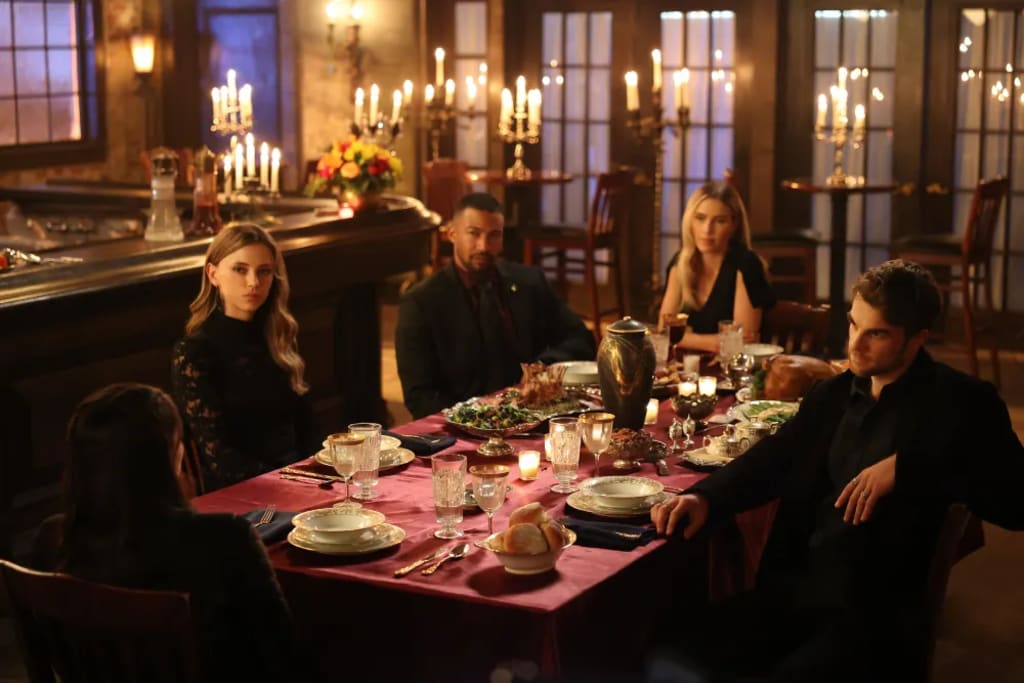
Have you seen The Fall of the House of Usher on Netflix?
Fiction is doing the same job of revealing hidden family secrets in mysterious and exciting ways that keep readers coming back for more.
Fiction is an even more powerful medium than television for revealing hidden family stories because it can lead the reader on a deeper, more immersive, and detailed journey than a TV series can allow. These are some of the reasons that books that blur the lines between truth, memory, and myth with the theme of hidden legacies are so hot right now.
This article uncovers all the reasons this literary genre has become so popular and how technology plays a part in these novels to keep readers engaged in a modern context.
The Power of Storytelling in Shaping Family History
Fiction is an engaging and rich tool for artists to explore personal and family narratives. It allows a depth of characterisation and plot that is more subtle than other media, and because all a writer needs is time and not a multi-million-dollar budget, they can let their imagination run wild with how they explore and depict scenes in sumptuous detail.
It’s useful at this point to note the difference in the way writers present families using myth-making and truth-telling to draw readers in and blur the lines between truth and fiction.
Truth-telling in fiction reveals factual or emotional reality, while myth-making reshapes events imaginatively; this interplay adds literary depth, appealing to readers and enriching genealogy fiction exploring real family histories.
Some of the best examples of this working in action with which you may be familiar include Genealogy by Mae Wood and The Difference by C. D’Angelo. In Genealogy, Ali uncovers her great-grandmother’s secret letters, discovering hidden family truths; in The Difference, Rachel explores her grandfather’s Italian past, reshaping her family’s legacy through genealogical discovery.
When Memory Conflicts With Reality
The depth and sophistication of many novels that explore themes around family backgrounds and genealogical discoveries, mixed with myths, is in the way they unfold the narrative through the eyes of an unreliable narrator who often has fragmented memories of the past.
These narrators are perfect vehicles for narratives that blur the lines between truth and fiction and present social commentary on how nobody really knows everything about their past. We only know what our relatives tell us to be true.
Silence or omission of the truth becomes a central part of these fictional stories, although by the time readers acknowledge this, they have believed everything the unreliable narrator told them, in a satisfying revelation that only family history novels can offer.
Fiction as a Mirror for Collective Truths
Genealogical fiction can move far beyond the histories of individuals to collective histories. How? Think of all the novels you have read that question dominant social narratives, such as Margo Jefferson’s Negroland: A Memoir.
It blends Jefferson’s personal family history with cultural criticism, exploring the Black elite’s place in American society, while interrogating race, class, privilege, and social hierarchies. Many critics commented that it had modern relevance, making it a relatable read even in modern times.
This novel is also an example of how global voices can challenge historical silences, such as some groups trying to silence black voices over the realities of slavery in America, past and present, with the persistence of modern slavery in the form of human trafficking.
Technology, Privacy, and Fiction’s Digital Future
Technology is often a theme in many novels, and this is the case in many historical family fiction books. They explore how technology affects storytelling and the changing privacy rights, especially on the internet.
Technology shapes what gets revealed and concealed, and many family story or genealogy novels explore themes of what gets revealed, concealed, and who is behind it to create mystery for scenes in these novels.
The Role of Ad Blockers in Reader Control
Various technologies are behind the decisions around who can view certain types of content on the internet, and advertisements are a persistent type of content that users cannot usually make decisions about seeing or hiding.
Ad blockers shift reader experiences in online storytelling spaces by blocking ads to streamline story-reading experiences and offer pure fiction-immersion.
Open ad blocker mirrors family fiction’s tension between controlling one’s narrative and being shaped by outside forces, filtering unwanted influence while highlighting the struggle over autonomy in shaping perception.
Conclusion
Narrative books can help readers uncover what families don’t publicly declare, but it is even more engaging when this idea is used as a device in fiction to blur lines between factual information and mythical, imagined details.
Fictional family stories present readers with the value of storytelling in shaping personal and collective legacies, plus they are always an enjoyable, immersive way for readers to reflect on what is true and mythical in their own family trees.
About the Creator
Keep reading
More stories from Aurang Zeb and writers in Journal and other communities.
~ Fired ~
— Ai Intrusion ~ Are you Next ~ Is Ai Evolution after your job? — Few workplaces haven't been affected. Ai is in supermarkets, at doctors' offices, and even monitoring farms. I just can't think of anything this machine is not getting into, can you? For instance: Education ~ Law and Tech jobs will one day have a major influence or be taken over by these inanimate machines, with accuracy and vigor. From mechanics' diagnoses to a wide variety of everyday jobs, including fast food workers, with this input having the ability to cut their unnecessary work hours. I'm certain all of us have been touched by this with our short stories and colorful headings, have you? Even comments are very questionable 'Non-Robot' insertions.
By Jay Kantor24 days ago in Journal
When Amazon Says You’re a Disappointment
Yesterday, for the first Wednesday in months, I didn’t publish a piece on Vocal. Believe me, I wanted to. I had it all written up and ready to go. I was going to share the news that I had officially become a published author.
By Sandy Gillman6 days ago in Writers



Comments
There are no comments for this story
Be the first to respond and start the conversation.