
Venezuela Ships Its First LPG to the U.S.: A Historic Energy Move
How Venezuela is taking its first step into liquefied petroleum gas exports and what it means for the future
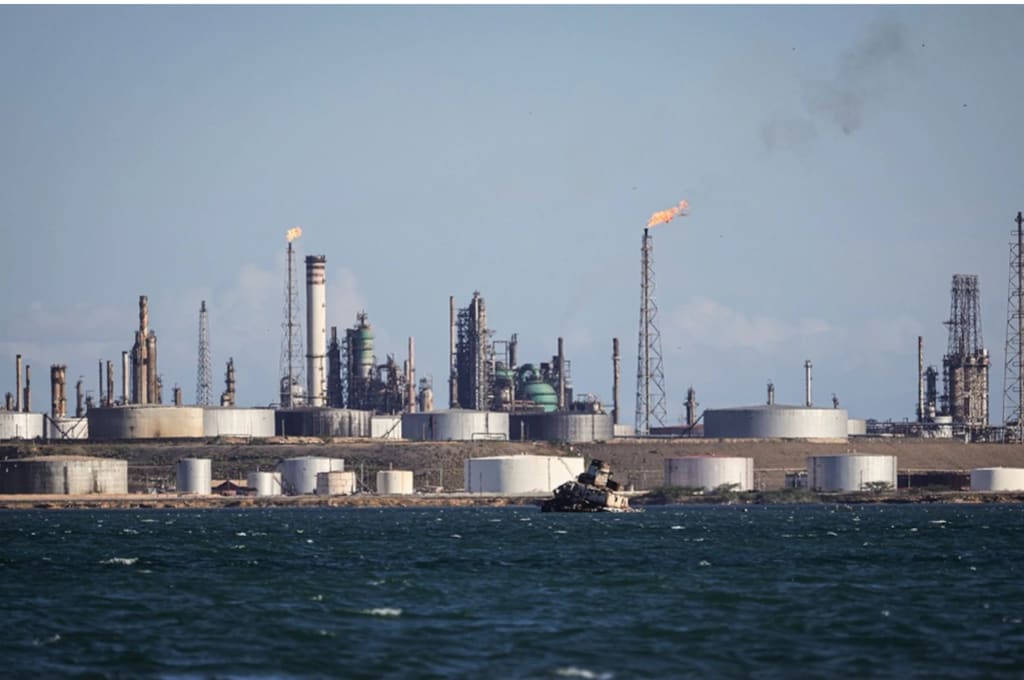
Venezuela has just made a historic move: for the first time ever, it exported liquefied petroleum gas (LPG) to the United States.
The shipment, carried by the tanker Chrysopigi Lady, marks a milestone for a country known for oil, but not for gas exports. This moment has captured attention in energy markets, government circles, and global media.
For many Venezuelans, it’s a sign of economic potential and hope after years of challenges in the energy sector.
What is LPG and Why It Matters
Liquefied petroleum gas, or LPG, is primarily propane and butane. It’s widely used for heating, cooking, and industrial purposes.
Venezuela traditionally consumed all of its LPG domestically, never exporting it. This first shipment shows a shift toward international trade and diversification of the country’s energy exports.
Experts say that while crude oil remains Venezuela’s main export, LPG offers a new revenue stream and a way to strengthen ties with foreign markets.
The Chrysopigi Lady: Setting Sail
The tanker Chrysopigi Lady departed from northeastern Venezuela on February 1, 2026, carrying the first batch of LPG.
Acting President Delcy Rodríguez announced the shipment on social media, calling it a historic milestone for Venezuela’s energy industry. She praised the country’s workers and highlighted the role of recent energy reforms in making the export possible.
Why This Shipment is Significant
This first LPG export is more than just a shipment of gas. Here’s why it matters:
1. Diversifying the Economy
Venezuela’s economy relies heavily on crude oil. Political instability and sanctions have weakened oil production. Exporting LPG shows a step toward diversifying energy products and opening new markets.
2. Legal and Policy Reforms
Recent changes to Venezuela’s hydrocarbons law encourage more flexible production and allow foreign investors to participate. These reforms made LPG exports possible and signaled a modernization of the energy sector.
3. U.S. Market Connection
Sending LPG to the United States is symbolic. It shows potential for expanded trade relations and offers a glimpse of renewed energy ties between Venezuela and the U.S.
Context in Global Energy
The shipment comes amid a larger energy trend. Trading houses like Vitol and Trafigura are preparing additional LPG shipments, along with crude oil, under agreements that total around $2 billion.
The United States has recently eased some sanctions on Venezuelan oil, allowing more stable exports. LPG is expected to become a regular addition to international trade flows.
Challenges Ahead
While this shipment is historic, challenges remain:
Production Limits: Years of underinvestment mean Venezuela must carefully manage LPG production to maintain exports.
Market Competition: Global LPG markets are competitive. Venezuela must stay competitive in pricing and reliability.
Political Uncertainty: Domestic politics and policy shifts could affect future shipments.
Despite these hurdles, this first shipment demonstrates Venezuela’s potential to play a larger role in international energy markets.
Reactions Around the World
Venezuelan officials celebrated the milestone, emphasizing it as a win for workers and the economy.
Internationally, analysts praised it as a sign of progress, but also cautioned that sustained exports will require careful planning.
For the U.S., additional LPG imports can diversify supply and support household and industrial energy needs.
What It Means for Energy Consumers
American households and industries use LPG for heating and cooking, and more supply means stability in prices and availability.
Analysts suggest that Venezuela’s entry into LPG exports could create long-term opportunities for bilateral energy cooperation, beyond just crude oil.
Looking Forward
The departure of the Chrysopigi Lady represents more than a commercial transaction. It signals:
✅ A strategic shift in Venezuela’s energy sector
✅ Expanded trade possibilities with the U.S.
✅ Potential economic growth and employment opportunities
If Venezuela can maintain consistent production and export logistics, this first shipment could mark the beginning of a new era.
Conclusion
Venezuela’s first LPG shipment to the United States is historic, symbolic, and potentially transformative.
For decades, Venezuela consumed all its LPG domestically. Today, exporting it shows economic ambition, energy diversification, and the promise of international trade.
While challenges remain, this milestone illustrates that even countries facing political and economic hurdles can find new ways to participate in global markets.
For consumers, policymakers, and industry leaders, Venezuela’s journey from domestic LPG use to international export is a story worth watching — and a reminder of how energy, policy, and opportunity can align to create historic moments.
About the Creator
The Inflexion Point of the Era is Here
Most people are not aware that China is currently at a significant inflexion point in the era. The upheavals in the next 20 years will far exceed those of the previous 40 years. This is not a gradual upgrade but a reconstruction of the underlying logic. Those who cling to old ways will be eliminated, while those who grasp the new rules can break through.
By Lady Alkaid4 days ago in Journal




Comments
There are no comments for this story
Be the first to respond and start the conversation.