
Walmart Agrees to $100 Million FTC Settlement Over Driver Pay
How the $100 Million Settlement Signals a New Era of Pay Transparency for Gig Delivery Drivers and Online Retail Logistics
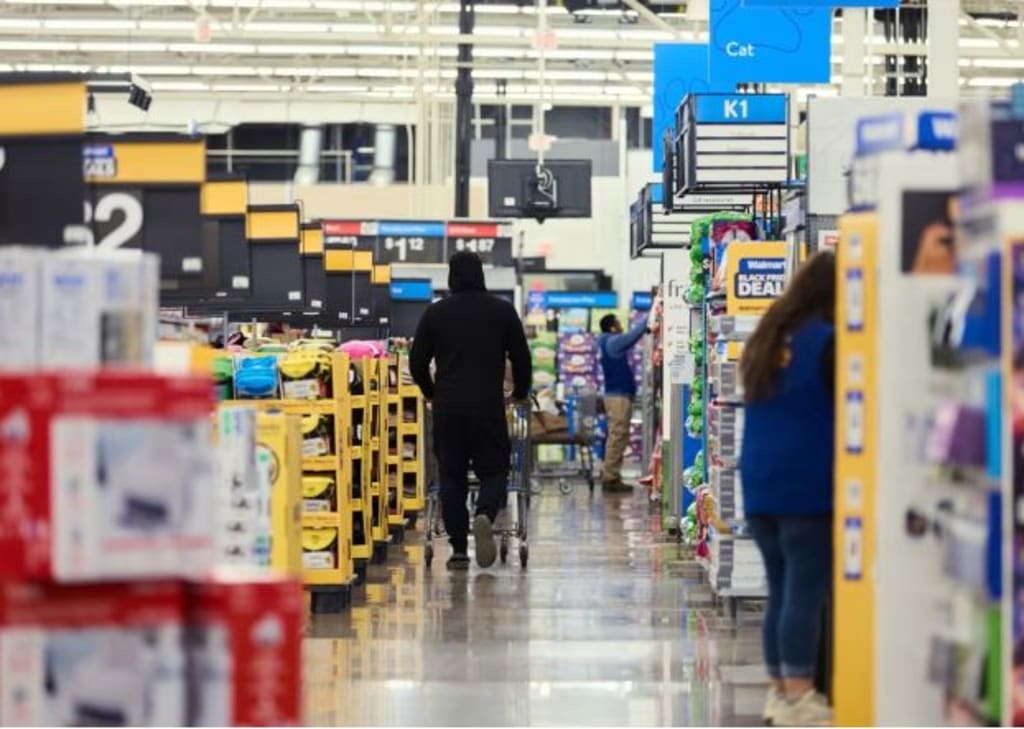
The rapid rise of same-day delivery has reshaped retail, and few companies have embraced that shift as aggressively as Walmart. But with innovation comes scrutiny. In early 2026, the retail giant reached a major agreement with regulators, committing to a $100 million settlement over allegations that delivery drivers were misled about how much they would earn.
The case — led by the Federal Trade Commission (FTC) alongside several states — highlights growing pressure on gig platforms to provide clear and accurate pay information. For drivers, the outcome could mean more predictable income. For the broader gig economy, it may signal stricter rules ahead.
🚚 The Spark Driver Platform and the Pay Controversy
Walmart’s Spark Driver program connects independent contractors with customers ordering groceries and household items. Drivers receive delivery offers that include estimated earnings made up of base pay, tips, and occasional bonuses.
Regulators alleged those estimates were sometimes misleading. Drivers reportedly accepted deliveries expecting a certain payout only to discover that tips changed, orders were modified, or multiple deliveries were grouped together in ways that reduced final pay.
A major issue involved “batched orders,” where several deliveries are combined into one trip. While batching can increase efficiency, authorities argued that drivers were not always clearly informed about how those changes would affect earnings.
In addition, officials claimed customers were told that their tips would go directly to drivers, even when circumstances led to tips being divided among multiple workers.
💰 What the $100 Million Settlement Covers
The $100 million agreement includes compensation for drivers who may have lost income due to the disputed practices. Portions of the settlement have already been distributed, while additional funds are reserved for future claims.
Beyond financial restitution, the agreement forces operational changes. Walmart must:
Provide more accurate earnings estimates before drivers accept deliveries
Clearly disclose when pay components are variable versus guaranteed
Limit changes to pay after an order is accepted
Improve how tipping information is presented to both drivers and customers
Establish systems allowing drivers to verify earnings details
These requirements reflect a broader regulatory push to ensure gig workers can make informed decisions about their work.
⚖️ Why Regulators Stepped In
Gig work depends heavily on transparency. Drivers often calculate whether a delivery is worthwhile based on estimated earnings compared with travel distance, fuel costs, and time.
When those estimates are inaccurate, workers may take jobs that ultimately pay less than expected. Regulators argued that such practices can distort labor markets by shifting risk onto workers.
Authorities said the case wasn’t just about one company — it was about setting standards across an industry where millions rely on flexible contract work.
The settlement underscores a growing belief among policymakers that gig-economy platforms must be held to the same truth-in-advertising standards as traditional employers.
🏢 Walmart’s Position
Walmart did not admit wrongdoing as part of the settlement but emphasized that it values delivery drivers and has already taken steps to improve pay clarity. The company said it is refining app features, communication tools, and payment processes to ensure drivers understand how earnings are calculated.
This response reflects how central gig delivery has become to Walmart’s strategy. Online grocery, curbside pickup, and rapid delivery now compete directly with major e-commerce players, making driver relationships critical.
Maintaining trust is not only a regulatory requirement — it’s a competitive necessity.
🌐 What This Means for the Gig Economy
The settlement could have ripple effects across the delivery and ride-hailing sectors. Three key trends stand out:
1. Earnings Transparency Is Becoming Standard
Platforms may need to show clearer breakdowns of base pay, tips, and incentives rather than a single estimated total.
2. Tipping Practices Face Increased Scrutiny
Consumers expect tips to reach workers directly. Any ambiguity is likely to draw regulatory attention.
3. Contractor Pay Models Are Under the Microscope
Even without changing worker classification, governments are examining how contractor pay is communicated and structured.
The message is clear: flexibility cannot come at the expense of clarity.
📊 Impact on Drivers and Customers
For drivers, the changes could reduce uncertainty. Knowing which parts of pay are guaranteed allows workers to choose jobs more strategically and better manage expenses.
For customers, the settlement reinforces expectations around tipping transparency. Many people tip specifically to support drivers, and clearer disclosures help maintain trust in delivery platforms.
In practical terms, users may begin seeing more detailed pay breakdowns within apps — including alerts when orders change.
🔮 What Happens Next
The agreement may serve as a blueprint for future enforcement actions. Other companies operating gig delivery networks are likely reviewing their pay estimates, app design, and messaging to avoid similar disputes.
Regulators have increasingly signaled that misleading earnings claims — even if unintentional — can result in significant penalties.
As delivery becomes a core part of retail infrastructure, oversight is expected to grow alongside it.
✍️ Final Thoughts
The $100 million settlement represents more than a legal resolution. It marks a turning point in how gig-economy pay is communicated.
At its heart lies a simple expectation: workers should know what they will earn before they commit their time and resources. For Walmart, the agreement offers a chance to strengthen trust with drivers while continuing its push into fast delivery.
For the industry, the lesson is unmistakable. Transparency is no longer a feature — it’s a requirement. As gig work continues to expand, companies that prioritize clear communication may gain not just regulatory approval but long-term loyalty from the workers who power their platforms.




Comments
There are no comments for this story
Be the first to respond and start the conversation.