
Waymo Robotaxis Now Available in 10 Cities
The Expansion of Autonomous Ride-Hailing Signals a Turning Point for Urban Mobility
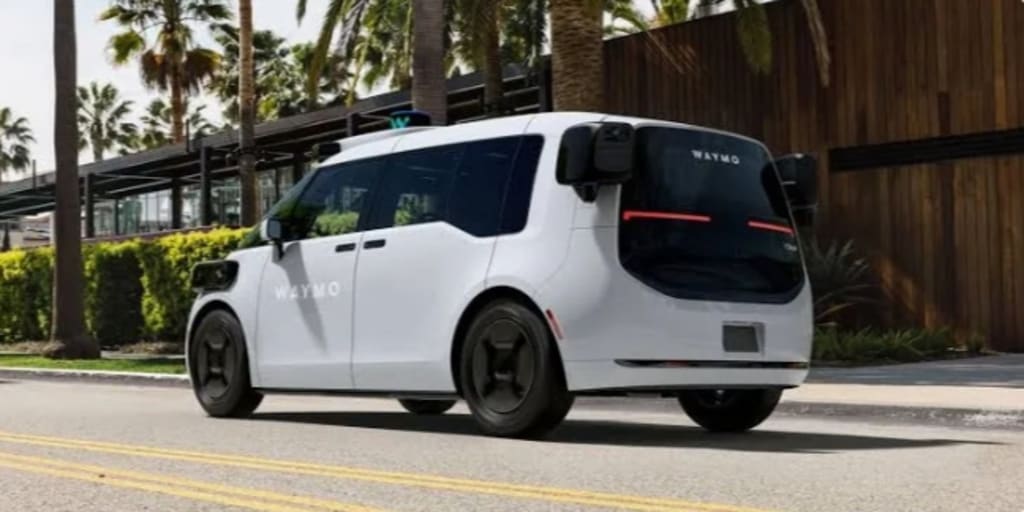
The future of transportation is no longer a distant concept confined to science fiction. It is quietly arriving at curbsides across America. With Waymo robotaxis now available in 10 cities, autonomous ride-hailing has moved beyond pilot programs and controlled demonstrations into everyday urban life. This milestone marks not only a technological achievement but also a fundamental shift in how cities think about mobility, safety, and sustainability.
The Company Behind the Wheel
At the center of this transformation is Waymo, a pioneer in autonomous vehicle technology. Originally launched as the Google Self-Driving Car Project under Google in 2009, Waymo became its own company in 2016 under the umbrella of Alphabet Inc.. Since then, it has steadily refined its self-driving systems through years of real-world testing and data collection.
Unlike many competitors that still rely on safety drivers behind the wheel, Waymo’s vehicles operate fully autonomously in designated service areas. Riders can summon a vehicle through the Waymo One app, hop in, and be transported to their destination without a human driver. The car’s sophisticated sensor suite—comprising lidar, radar, and cameras—works in concert with advanced software to navigate traffic, interpret road conditions, and respond to unexpected obstacles.
Reaching availability in 10 cities is more than a headline. It represents a scaling of trust, infrastructure, and regulatory approval that few companies in the autonomous space have achieved.
A Decade in the Making
Autonomous driving technology has progressed in stages. Early prototypes struggled with complex urban environments—construction zones, unpredictable pedestrians, and erratic drivers. Over time, machine learning models improved, benefiting from millions of miles of testing across diverse weather and traffic conditions.
Waymo’s expansion did not happen overnight. Each new city required detailed mapping, safety validation, and coordination with local authorities. High-definition maps allow vehicles to understand lane geometry, traffic signals, and road features with remarkable precision. Combined with real-time sensor input, these maps form the backbone of the system’s situational awareness.
By carefully rolling out service city by city, Waymo built a foundation of operational data and rider feedback. This measured approach helped refine not just the driving system but also the user experience.
Safety at the Core
Safety remains the most critical factor in public acceptance of robotaxis. Autonomous vehicles promise to reduce accidents caused by human error—distraction, fatigue, or impaired driving. According to transportation research, human behavior contributes to the vast majority of traffic collisions.
Waymo emphasizes a safety-first philosophy, subjecting its vehicles to rigorous simulation testing and on-road validation. The system continuously monitors its surroundings in 360 degrees, reacting faster than human reflexes in many scenarios. When faced with ambiguity, the vehicle defaults to cautious behavior, such as slowing down or pulling over.
However, the broader conversation about autonomous safety is ongoing. Incidents involving self-driving cars from various companies have drawn public scrutiny. Each expansion into a new city requires maintaining public confidence and demonstrating consistent performance.
Transforming Urban Mobility
The arrival of robotaxis in 10 cities could significantly reshape urban transportation. Traditional ride-hailing services depend on human drivers whose availability fluctuates. Autonomous fleets, in contrast, can operate for extended hours without fatigue, potentially improving reliability and reducing wait times.
There is also the potential for cost shifts. Without driver compensation as a primary expense, robotaxi services may eventually offer competitive pricing. This could influence how people choose between owning a personal vehicle, using public transit, or booking an autonomous ride.
For cities, autonomous ride-hailing introduces opportunities and challenges. On one hand, optimized routing and smoother driving patterns may reduce congestion and emissions. On the other, increased convenience could lead to more vehicle miles traveled if people opt for robotaxis instead of walking, cycling, or using transit.
Urban planners are watching closely. Policies will likely evolve to integrate autonomous services into broader transportation networks, ensuring they complement rather than compete with sustainable mobility goals.
The Rider Experience
For passengers, the experience of riding in a driverless car is both novel and surprisingly ordinary. After booking through the app, riders unlock the vehicle, settle in, and begin their trip. A screen displays the planned route and estimated arrival time. There is no small talk, no tipping, and no negotiation over directions.
Some riders report an initial sense of curiosity or even unease. But as the car navigates turns smoothly and responds confidently to traffic signals, the novelty often fades into routine. In many ways, the technology aims to make itself invisible—providing a seamless journey without drawing attention to the absence of a human driver.
The interior design of robotaxis reflects this shift. Without the need for a driver’s seat occupied by a person, space can be optimized for passenger comfort. Future iterations may further reimagine the cabin as a mobile workspace or relaxation zone.
Regulatory and Competitive Landscape
Waymo’s expansion to 10 cities signals regulatory progress as well. Autonomous vehicles operate within complex legal frameworks that vary by state and municipality. Approval requires demonstrating compliance with safety standards, data reporting requirements, and insurance regulations.
Meanwhile, competition in the autonomous sector remains intense. Multiple companies are racing to deploy scalable self-driving services. However, achieving consistent, fully autonomous operations at scale has proven more difficult than early projections suggested.
By reaching double-digit city availability, Waymo positions itself as a leader in the commercial robotaxi space. Yet sustained success will depend on continued technological refinement, public trust, and economic viability.
Looking Ahead
The milestone of 10 cities is unlikely to be the endpoint. Autonomous technology continues to evolve, with improvements in artificial intelligence, sensor affordability, and computational power. Over time, service areas may expand beyond carefully mapped zones to broader metropolitan regions.
The long-term vision extends beyond ride-hailing. Autonomous systems could support delivery services, public transit integration, and accessibility solutions for elderly or disabled individuals. In theory, safer roads and reduced congestion could become tangible outcomes rather than aspirational goals.
Still, widespread adoption will require patience. Infrastructure adaptation, public perception, and policy development must move in tandem with technological progress.
A Turning Point on the Road Ahead
Waymo robotaxis now available in 10 cities is more than a corporate milestone—it is a signpost marking the transition from experimentation to implementation. Autonomous ride-hailing is no longer confined to test tracks and limited pilots. It is entering daily life.
Whether robotaxis ultimately redefine urban transportation depends on how technology, regulation, and society evolve together. But one thing is clear: the driverless future is not coming someday. In ten cities and counting, it has already arrived.




Comments
There are no comments for this story
Be the first to respond and start the conversation.