
What To Know About Infection Control Failures in Nursing Homes
Infection Control Failures in Nursing Homes

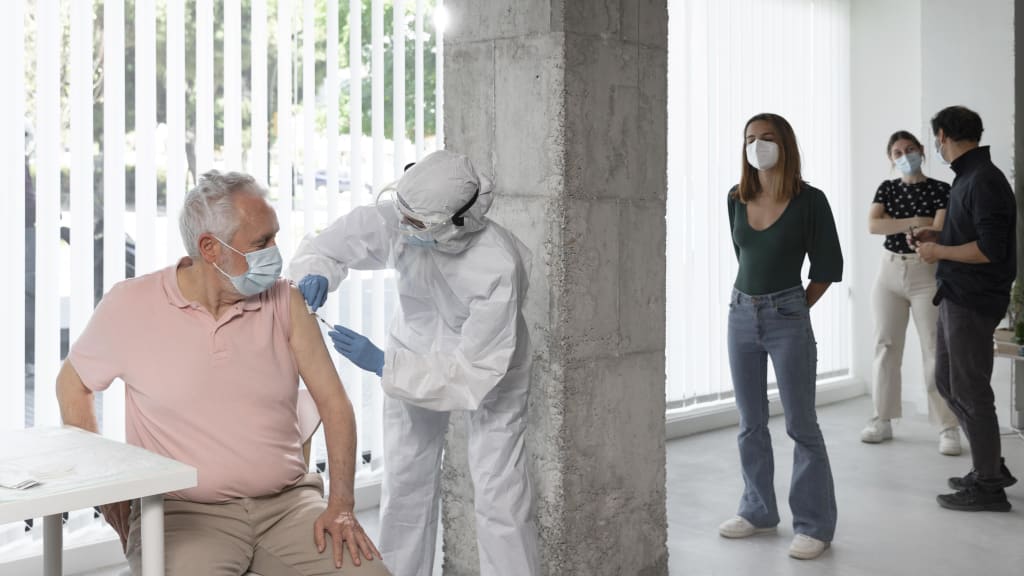
Choosing a nursing home for a loved one is one of the most important decisions a family can make. Families naturally expect a safe environment where residents are protected from preventable infections and receive proper care every day. Unfortunately, infections are a common concern in long-term care facilities. They can become serious or even life-altering when hygiene practices, staffing levels, or cleaning procedures are inconsistent. Knowing how infections occur and what warning signs to look for can help families ensure their loved ones are receiving the safest possible care.
How Infections Occur
Infections in nursing homes often happen because of lapses in routine infection-control practices. Facilities are required to follow specific standards, including proper staff training, frequent handwashing, and careful management during outbreaks. When these standards are not consistently applied, bacteria and viruses can spread quickly through shared areas such as dining halls, bathrooms, medical equipment, and common recreational spaces.
Residents with mobility challenges, open wounds, or weakened immune systems are especially vulnerable. Even small oversights, such as staff forgetting to wash their hands before assisting multiple residents or failing to clean shared equipment properly, can lead to serious infections.
Families may notice early signs of inadequate infection control during visits. These can include:
- Recurring infections: Frequent urinary tract infections, pneumonia, or persistent skin rashes.
- Personal hygiene issues: Unwashed hair, strong body odor, dirty fingernails, or soiled clothing.
- Pressure sores or bedsores: Open wounds on heels, hips, or tailbone, indicating residents are not being repositioned regularly.
- Changes in health: Unexplained fevers, sudden confusion, or delays in wound care may point to underlying infections.
Environmental signs can also provide clues. Strong odors, unsanitary communal areas, overflowing trash bins, or improper disposal of medical waste may suggest hygiene and cleaning standards are not being consistently maintained.
Common Types of Infections
Certain infections are more prevalent in nursing homes, and each poses unique risks:
- Urinary Tract Infections (UTIs): Often linked to catheter use or lapses in hygiene during toileting. UTIs can become recurrent if proper cleaning and monitoring are not consistently applied.
- Respiratory Infections: Pneumonia is common among residents. Bacteria from dental plaque can enter the lungs if oral hygiene is inconsistent, highlighting the importance of proper daily care.
- Gastrointestinal Infections: Illnesses like C. difficile can survive on surfaces for long periods, making thorough cleaning and proper hand hygiene essential for prevention.
- Skin and Soft Tissue Infections: Pressure ulcers or bedsores can become infected if residents are not repositioned regularly, potentially leading to complications that require medical attention.
Multidrug-resistant organisms, such as MRSA, are also a concern. These infections are difficult to treat and can spread more easily in facilities with inconsistent hygiene or infection-control measures.
How Families Can Help
Although nursing home staff and administrators are primarily responsible for maintaining safe conditions, families can play a vital role in supporting infection prevention. Regular visits allow families to observe hygiene routines, monitor environmental cleanliness, and track any recurring infections.
Even simple observations, such as noticing a resident hasn’t been repositioned in several hours, seeing soiled bedding, or noticing unclean common areas, can prompt conversations with staff. Open communication helps ensure that care routines, cleaning schedules, and infection-prevention practices are being followed consistently.
Families who notice persistent issues or recurring infections may consider consulting an experienced nursing home abuse lawyer. Such professionals can provide guidance about residents’ rights, explain available options, and help families address unsafe or neglectful conditions. Knowing that this guidance is available can provide reassurance while families continue to advocate for their loved ones.
Key Takeaways
Infections in nursing homes are not inevitable, but they require careful attention from both staff and families. Consistent hygiene, trained staff, and proper oversight greatly reduce the risk of infections. Families who stay observant, communicate openly, and track changes in their loved one’s health can help maintain a safer environment.
Being aware of common infection types, watching for early warning signs, and knowing that professional guidance from an experienced nursing home abuse lawyer is available if needed can empower families to take informed steps. Vigilance and proactive involvement can make a meaningful difference in ensuring residents’ safety, comfort, and overall well-being.
About the Creator
Sarah
With an experience of 10 years into blogging I have realised that writing is not just stitching words. It's about connecting the dots of millions & millions of unspoken words in the most creative manner possible.




Comments
There are no comments for this story
Be the first to respond and start the conversation.