
Wholesale Inflation Was Hotter Than Expected in January as Tariffs Threaten to Push Up Prices for Consumers
Rising producer costs signal new pressure on household budgets and complicate the economic outlook
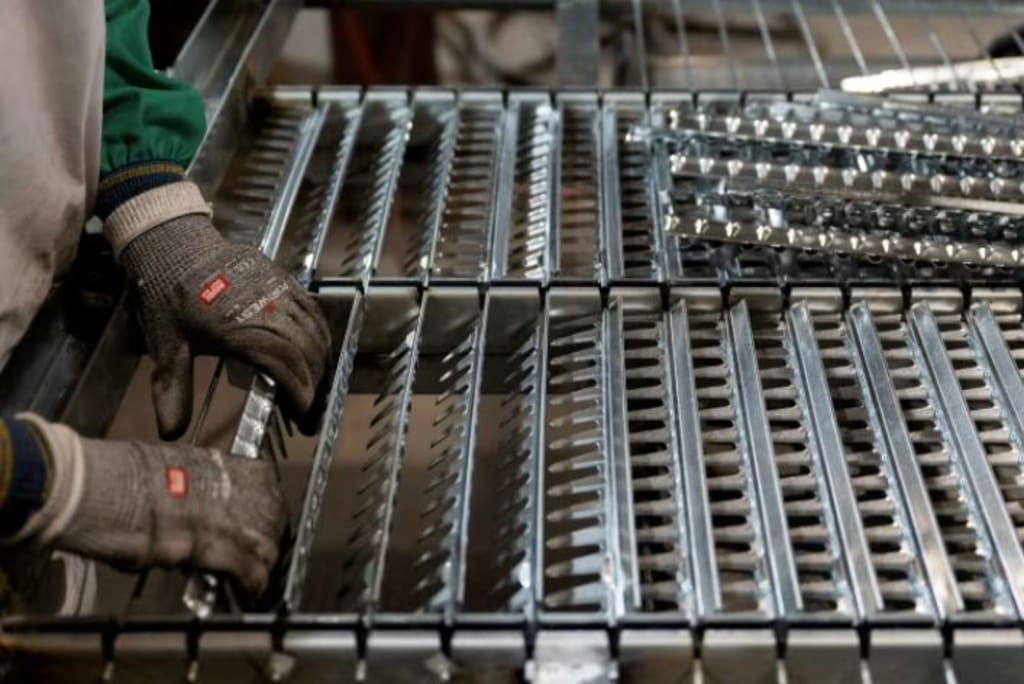
Wholesale inflation accelerated more than economists anticipated in January, raising concerns that price pressures could spill over to consumers in the months ahead. New data released by the Bureau of Labor Statistics showed that the Producer Price Index (PPI) — a key measure of wholesale costs — climbed faster than forecast, driven by higher goods prices, supply chain adjustments, and growing uncertainty around tariffs.
The stronger-than-expected reading has reignited debate about whether inflation is cooling as quickly as policymakers hoped. For businesses, rising input costs mean tighter margins. For consumers, it could mean higher prices on everyday goods ranging from groceries to electronics.
Understanding the Wholesale Inflation Surge
Wholesale inflation reflects the prices companies pay for materials, energy, transportation, and other inputs before goods reach store shelves. When producer costs rise, businesses often pass those increases to customers, though the timing varies by industry.
January’s data revealed notable increases in manufactured goods, particularly those sensitive to global trade dynamics. Energy and transportation costs also contributed to the uptick, underscoring how vulnerable pricing remains to supply disruptions and geopolitical tensions.
Economists say the report complicates the narrative that inflation is steadily easing. While consumer inflation had shown signs of moderation in recent months, wholesale data suggests underlying pressures are still present.
The concern is straightforward: if businesses continue facing higher costs, price relief for households could stall.
Tariffs Enter the Inflation Equation
Tariffs have re-emerged as a central factor shaping the inflation outlook. Trade measures designed to protect domestic industries can raise the cost of imported components and finished goods. When companies pay more at the border, those costs frequently ripple through supply chains.
Manufacturers dependent on global sourcing are particularly exposed. Electronics, machinery, construction materials, and automotive parts often rely on imported inputs. Even modest tariff increases can push production expenses higher.
For small businesses operating on thin margins, absorbing those costs is rarely feasible. Instead, they adjust pricing, reduce product sizes, or delay hiring — all of which affect economic momentum.
Analysts warn that the inflation impact of tariffs is often gradual rather than immediate. Initial price hikes at the wholesale level can take months to appear in consumer data, creating a delayed but persistent effect.
Pressure on Consumers
If wholesale inflation continues to run hot, consumers could face renewed price increases just as many households hoped for relief. Food prices are particularly sensitive to supply chain costs, including packaging, transportation, and agricultural inputs.
Retailers may also adjust pricing strategies in response to higher wholesale expenses. This could mean fewer discounts, shorter sales cycles, or subtle price increases that accumulate over time.
Housing-related goods — appliances, building materials, and furnishings — are another area to watch. Rising producer costs can translate into higher renovation and construction expenses, potentially keeping housing affordability under strain.
The cumulative effect is what economists call “sticky inflation,” where prices rise slowly but remain elevated for longer than expected.
Implications for Monetary Policy
The hotter wholesale inflation reading places additional pressure on the Federal Reserve, which has been attempting to guide inflation back toward its long-term target without triggering a recession.
Central bankers closely monitor producer prices because they provide an early signal of future consumer inflation. If wholesale costs remain elevated, policymakers may be more cautious about cutting interest rates.
Markets had been anticipating gradual rate reductions, but persistent inflation could delay that timeline. Higher borrowing costs affect everything from mortgages to business investment, shaping the broader economic trajectory.
Some economists argue that one month of data does not establish a trend. Others believe it reinforces the idea that inflation’s final stage — often called the “last mile” — is the most difficult to achieve.
Business Strategy in an Uncertain Environment
Companies are already adapting to a world where cost volatility is the norm. Many firms are diversifying suppliers, increasing inventory buffers, and renegotiating contracts to manage price swings.
Technology and automation investments are also rising as businesses seek efficiency gains to offset higher input costs. However, these solutions require capital — something that becomes more expensive when interest rates remain elevated.
Large corporations may have the scale to absorb temporary cost increases, but smaller firms face tougher choices. Passing costs to consumers risks losing customers, while absorbing them squeezes profitability.
This tension is shaping pricing behavior across industries, contributing to uneven inflation patterns.
Global Factors Still Matter
Wholesale inflation does not exist in isolation. Global shipping rates, commodity markets, currency fluctuations, and geopolitical developments all influence producer costs.
Recent disruptions in trade routes and ongoing geopolitical friction have kept logistics expenses unpredictable. Energy markets, another major driver of producer prices, remain sensitive to supply shocks and policy decisions.
Tariffs add another layer of complexity by altering sourcing strategies. Companies may shift production to new regions, but transitions can be costly and time-consuming, prolonging inflationary pressure.
The interconnected nature of modern supply chains means domestic inflation often reflects global dynamics.
What to Watch Next
Economists will be watching upcoming consumer inflation reports to see whether January’s wholesale surge feeds into retail prices. Wage growth will also play a crucial role. If wages rise alongside producer costs, businesses may feel more confident passing increases to consumers.
Retail pricing behavior during the spring and summer shopping seasons could offer early clues. Promotions, discounting patterns, and inventory levels often reveal how companies are navigating cost pressures.
Financial markets, meanwhile, are recalibrating expectations for interest rate policy. Even small shifts in inflation data can influence bond yields, stock valuations, and currency movements.
The Bigger Picture
January’s hotter-than-expected wholesale inflation serves as a reminder that the battle against rising prices is far from over. While progress has been made compared to peak inflation levels, structural pressures — including tariffs, supply chain adjustments, and global uncertainty — continue to shape the outlook.
For consumers, the impact may appear gradually through everyday purchases rather than dramatic price spikes. For businesses, the challenge lies in balancing competitiveness with profitability in a volatile cost environment.
Ultimately, the path of inflation will depend on how trade policy, monetary decisions, and global economic conditions interact in the months ahead. The latest data suggests that relief is possible — but not guaranteed.
As policymakers and markets digest the numbers, one reality is becoming clear: wholesale prices remain a crucial early warning system. And right now, that signal is flashing caution.
About the Creator
Chad Pratt California: A Life Measured in Meaningful Miles
For some, running is simply exercise. It is a way to stay fit, relieve stress, or compete on weekends. For Chad Pratt California, running has always carried deeper meaning. It has been a discipline, a refuge, a teacher, and a steady companion through every chapter of life. Across decades filled with competition, personal triumphs, heartbreak, faith, and fatherhood, he has returned again and again to the simple rhythm of forward motion.
By Chad Pratt6 days ago in Journal



Comments
There are no comments for this story
Be the first to respond and start the conversation.