
Why One Building Left Me Calm and Another Did Not
How subtle environmental cues quietly shape the way our bodies and minds respond to space

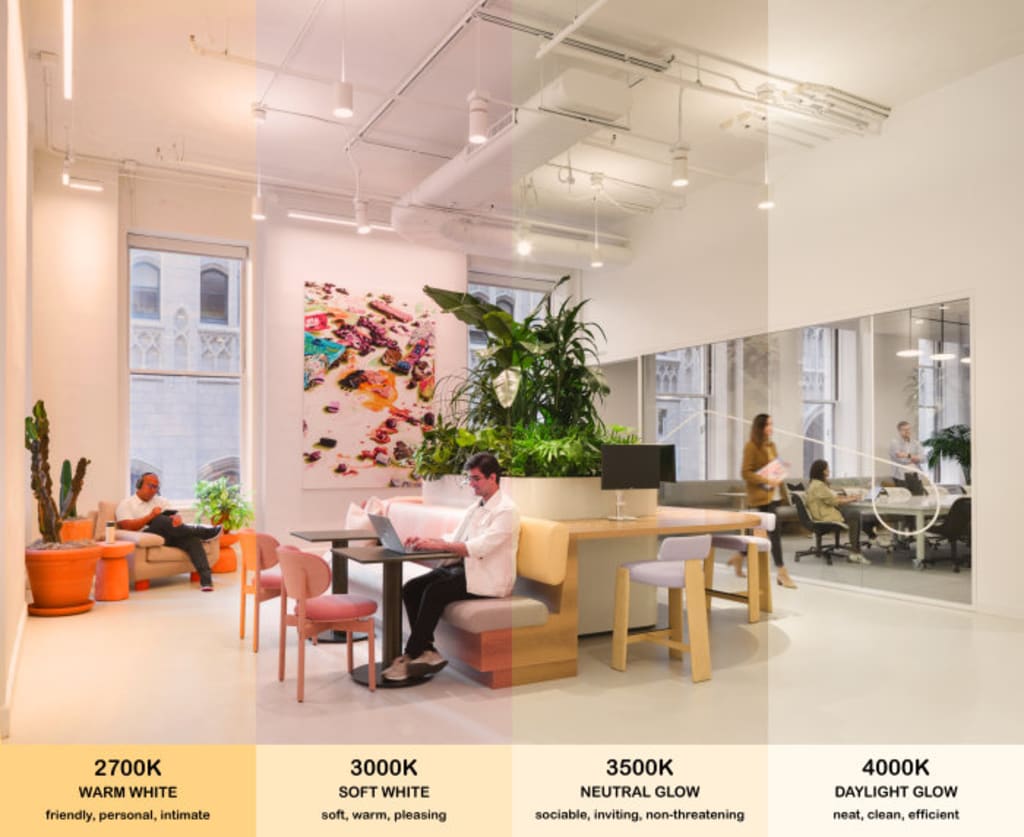
The difference between the two buildings wasn’t obvious at first. They looked similar on paper. Both were modern, clean, and well maintained. Both had open layouts, plenty of desks, and large windows. Yet every time I spent a full day in one, I felt calm and steady. And every time I worked in the other, I left feeling tense and drained, even when nothing stressful had happened.
At first, I assumed the explanation had to be personal. Maybe the work was harder in one place. Maybe the people were different. Maybe my mood was just inconsistent. But over time, the pattern became impossible to ignore. My body reacted differently depending on where I was, regardless of what I was doing.
In the building that left me calm, my breathing felt natural. My shoulders stayed relaxed without effort. I could focus without constantly resetting my attention. Even long meetings didn’t feel as draining. Time passed without that familiar sense of pressure building in my chest or head.
In the other building, the tension arrived quietly. Not as anxiety or panic, but as a subtle unease. My jaw would tighten without me noticing. My eyes felt tired by mid-morning. I found myself shifting in my chair, stretching my neck, or taking unnecessary breaks just to feel some relief. By the end of the day, I wasn’t emotionally upset, but I felt depleted.
What confused me was that I couldn’t point to a single cause. There was no loud noise, no obvious discomfort, no visible problem. And yet my body was clearly reacting.
That’s when I started paying attention to the environment itself. Buildings don’t just house people. They shape how our nervous systems behave. Light, air, temperature, and visual stability all send continuous signals to the brain. Most of those signals never reach conscious awareness, but the body still responds.
In the building where I felt calm, the lighting was consistent and gentle. There was no flicker competing for my attention. No harsh contrast between bright and dark areas. The space felt visually quiet. My eyes didn’t have to work to adjust every time I looked up or shifted focus.
In the other building, the lighting was technically bright, but unstable. Slight flicker, glare from overhead fixtures, and sharp reflections off screens created constant visual noise. My brain had to keep correcting for it. That effort didn’t feel like strain in the moment, but it showed up as tension and fatigue over time.
Air played a role too. In the calmer building, the air felt neutral. Not noticeable. Breathing didn’t require thought. In the other, the air felt heavier, even though I couldn’t smell anything unusual. Subtle imbalances in indoor air can affect oxygen efficiency and inflammation, gently nudging the nervous system toward a more alert state.
The brain is designed to scan for threats and instability. When a space feels unpredictable at a sensory level, the nervous system stays slightly activated. Muscles tighten. Focus narrows. The body prepares, even when there’s nothing to prepare for.
That constant low-level activation is exhausting.
What I learned is that calm doesn’t come from aesthetics alone. A space can look beautiful and still feel taxing. True calm comes when the environment stops asking the body to adapt. When light supports natural visual processing. When air doesn’t challenge breathing or cognition. When sensory input remains stable instead of demanding constant adjustment.
In the building that left me calm, my body didn’t need to brace itself. My nervous system could stay in a parasympathetic, rest-supportive state even while I worked. That’s why I left feeling steady instead of spent.
The other building wasn’t hostile. It was just subtly misaligned with how the human body processes sensory information. And over hours, that misalignment added up.
We often talk about productivity and well-being as if they’re purely personal responsibilities. Manage your stress. Improve your habits. Get more rest. But sometimes, the difference isn’t inside us at all. It’s the space around us shaping how hard our bodies have to work just to stay regulated.
Once I understood that, the contrast between the two buildings made sense. One supported calm without demanding effort. The other quietly drained it away.
And now, whenever I enter a new space, I don’t ask whether it looks good or feels impressive. I ask a simpler question. Does my body relax here, or does it prepare itself to endure?
About the Creator
illumipure
Sharing insights on indoor air quality, sustainable lighting, and healthier built environments. Here to help people understand the science behind cleaner indoor spaces.
Keep reading
More stories from illumipure and writers in Journal and other communities.
The Day My Head Felt Clearer for No Obvious Reason
It wasn’t a big day. Nothing important had happened. I hadn’t slept longer than usual or finished a major task early. There was no breakthrough moment, no sudden rush of motivation. But sometime in the late morning, I noticed something unusual. My head felt clear.
By illumipurea day ago in Journal
~ Fired ~
— Ai Intrusion ~ Are you Next ~ Is Ai Evolution after your job? — Few workplaces haven't been affected. Ai is in supermarkets, at doctors' offices, and even monitoring farms. I just can't think of anything this machine is not getting into, can you? For instance: Education ~ Law and Tech jobs will one day have a major influence or be taken over by these inanimate machines, with accuracy and vigor. From mechanics' diagnoses to a wide variety of everyday jobs, including fast food workers, with this input having the ability to cut their unnecessary work hours. I'm certain all of us have been touched by this with our short stories and colorful headings, have you? Even comments are very questionable 'Non-Robot' insertions.
By Jay Kantor9 days ago in Journal
Solar Users to Pay Full Electricity Unit Price Under Latest Net-Billing Rule
Islamabad: In a major policy shift aimed at restructuring the country’s power sector, the government has announced a new net-billing mechanism that will require solar energy users to pay the full electricity unit price for power consumed from the national grid. The move replaces the long-standing net-metering system and has sparked widespread debate among consumers, industry experts, and renewable energy advocates.
By Ayesha Lashariabout 13 hours ago in Journal


Comments
There are no comments for this story
Be the first to respond and start the conversation.