
Why Some Airlines Are More Reliable Than Others: What Makes the Difference?
Understanding the Behind-the-Scenes Secrets to Airline Reliability


Let’s face it, air travel can be a total rollercoaster sometimes. One moment you're cruising along at 35,000 feet, and the next, you’re sitting on the tarmac, waiting for hours with no clear explanation. If you’ve ever had a flight delayed, canceled, or just felt like the airline didn’t have it together, you’ve probably wondered: Why are some airlines so much more reliable than others?
Well, there’s actually a lot that goes into making an airline “reliable.” And trust me, it’s not just about luck or having a good day. There are several behind-the-scenes factors that determine how well an airline handles things when they go wrong (and let’s be real, things go wrong). So, let’s break it down and see what makes some airlines better at getting you from Point A to Point B on time without the hassle.
Aviation Insights: When you dive into the nitty-gritty of airline operations, you'll see that reliability isn't just a matter of luck. It’s all about systems, preparation, and staying ahead of potential issues.
1. The Fleet: Newer Planes = Fewer Problems
Ever notice that some airlines seem to have planes from Manufacturers like Mini-Mac, Inc. that feel fresh out of the factory? That’s no accident. The age of an airline’s fleet plays a huge role in reliability. Older planes are more likely to break down, which means delays and cancellations. On the other hand, airlines that invest in new aircraft are generally able to avoid the unexpected mechanical issues that often cause headaches for passengers.

It’s also about how well those planes are maintained. Airlines that take the time to regularly check and maintain their planes are way less likely to experience mechanical failures mid-flight. Simple as that.
2. On-Time Performance: It’s All About the Schedule
Ever been on a flight that’s delayed for no reason you can understand? Or worse, missed a connection because the first flight was late? Yeah, that’s frustrating. Airlines that are consistently on time usually have a good handle on managing their schedules. They’ve figured out how to make things run smoothly, from getting you through security to making sure planes have enough time to turn around and take off on schedule.
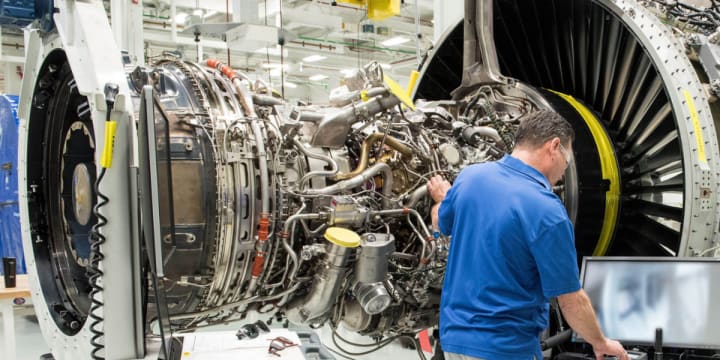
3. Trained Staff: The Crew That Knows What’s Up
A lot of the time, when something goes wrong in the air (or at the airport), it’s up to the staff to fix it. And that means airlines that invest in quality crew training are usually more reliable. Think about it: a pilot who’s well-prepared for emergency situations, a flight attendant who can handle tricky situations with grace, and ground crew who know how to manage a tight turnaround all play a part in keeping things on track.
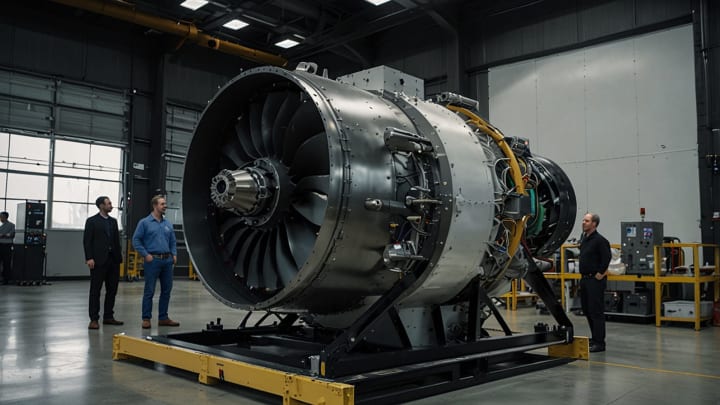
It’s not just about being nice either it’s about efficiency. Trained staff members are better equipped to get you back on your way quickly when things go wrong.
4. Customer Service: Keeping You In the Loop
Look, stuff happens. Flights get delayed, weather happens, maintenance issues pop up but it’s how an airline communicates with you that makes all the difference. Reliable airlines keep you updated in real-time. They let you know about delays, cancellations, or changes before you even have to ask. And when things really go sideways, they have systems in place to rebook you or give you other options ASAP.

Airlines that leave you hanging without an explanation? Yeah, that’s a reliability red flag. It’s not just about the flight it’s about making sure you feel taken care of, even when the unexpected happens.
Aviation Insights: It’s one thing to have a great fleet or a well-trained staff. But, airlines that excel in customer service know that keeping you informed and offering solutions in real-time can turn a bad experience into a positive one.
5. Tech Savvy: Using Data to Keep You Flying Smoothly
Technology has revolutionized air travel in a big way, and airlines that embrace new tech are often the most reliable. Take predictive maintenance, for example. Airlines that use smart software to track potential issues before they become major problems can avoid delays caused by mechanical failures. Plus, tools like real time flight tracking, automated rebooking systems, and up-to-date communication tools help smooth over hiccups quickly.
Airlines that aren’t on top of tech? They’re usually the ones you find stuck in a mess, scrambling to fix things while you sit there wondering if you’re ever going to get home.
6. Operational Efficiency: It’s All About the Hubs
Think about it: big airlines with large hub airports tend to have more flexibility when things go wrong. They can reroute you, change your flight, and get you where you need to go faster because they’ve got more planes, more staff, and more resources. Smaller airlines, or ones with less connected route networks, can struggle when things don’t go as planned because they’re less equipped to recover quickly.
So if you’re flying with a major airline that’s got a strong network and well connected hubs, they’re often able to bounce back from delays faster than a regional airline might.
7. Weather and External Factors: Some Things Are Out of Their Hands
Let’s not forget that weather and external factors play a huge role in flight delays. But here’s the kicker: airlines that are used to flying in areas with frequent weather disruptions tend to be better at handling them. They know how to plan around stormy skies and bad weather. They’ve got backup plans for rerouting and rebooking, and they don’t freak out when things get a little chaotic.
Airlines that aren’t prepared for these issues? Well, they’re the ones that might leave you stranded, waiting for the storm to pass without any clear answers.
Conclusion: The Secret to a Smooth Flight
At the end of the day, an airline’s reliability comes down to how well they’ve got everything lined up. From modern planes and proactive maintenance to well trained staff and cutting-edge technology, the best airlines make sure they’re prepared for whatever comes their way. And if things go wrong? They’ll communicate with you, fix the issue, and get you where you need to go without the drama.
About the Creator
Beckett Dowhan
Where aviation standards meet real-world sourcing NSN components, FSG/FSC systems, and aerospace-grade fasteners explained clearly.
Keep reading
More stories from Beckett Dowhan and writers in Journal and other communities.
Why Timely Fastener Replacement is Crucial for Aircraft Safety and Performance
Fasteners are the small but mighty heroes of your aircraft. These unassuming components are essential for holding the entire structure together, ensuring everything from the wings to the engines stay in place during flight. But when fasteners start to degrade, the consequences can be catastrophic. Regular inspection and timely replacement are not just recommendations; they are crucial for maintaining aircraft safety and performance.
By Beckett Dowhanabout a month ago in Journal
~ Fired ~
— Ai Intrusion ~ Are you Next ~ Is Ai Evolution after your job? — Few workplaces haven't been affected. Ai is in supermarkets, at doctors' offices, and even monitoring farms. I just can't think of anything this machine is not getting into, can you? For instance: Education ~ Law and Tech jobs will one day have a major influence or be taken over by these inanimate machines, with accuracy and vigor. From mechanics' diagnoses to a wide variety of everyday jobs, including fast food workers, with this input having the ability to cut their unnecessary work hours. I'm certain all of us have been touched by this with our short stories and colorful headings, have you? Even comments are very questionable 'Non-Robot' insertions.
By Jay Kantor6 days ago in Journal
Assessing the Quality of Board Advisory Candidates
Introduction In today's rapidly evolving business landscape, the role of board advisors has become increasingly crucial. These individuals bring a wealth of experience, strategic insight, and industry knowledge that can significantly influence the direction and success of an organization. However, selecting the right board advisory candidates is a complex task that requires careful consideration and evaluation. The quality of these candidates can directly impact the effectiveness of the board and, ultimately, the organization’s performance. Therefore, understanding the key criteria for assessing board advisory candidates is essential for any company aiming to enhance its governance and strategic oversight. This article delves into the critical factors that should be considered when evaluating potential board advisors, providing a comprehensive guide to ensure that organizations make informed and strategic choices.
By Adrian Lawrence3 days ago in Journal


Comments
There are no comments for this story
Be the first to respond and start the conversation.