
Adult Summer Camps
Why Grown-Ups Are Trading Spa Days for Color Wars (And You Should Too)

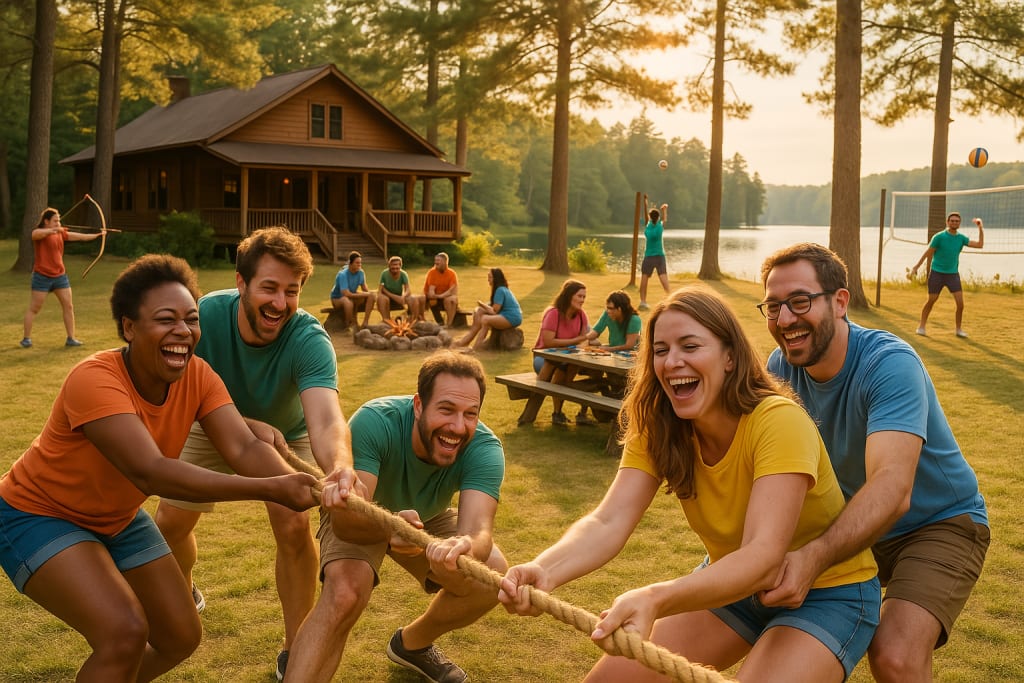
Remember the pure joy of summer camp? The anticipation of color wars, the satisfaction of mastering archery, the deep friendships forged around campfires under starlit skies? For decades, these experiences were relegated to childhood memories, filed away as nostalgic treasures we'd occasionally dust off during particularly stressful adult moments. But 2025 is changing all that. Adults across the country are reclaiming the magic of summer camp, and the results are nothing short of transformational.
According to Yelp's 2025 Trend Forecast, searches for adult camps have skyrocketed by an astounding 347%, making it one of the fastest-growing wellness trends of the year. This isn't just a quirky fad—it's a cultural movement that's addressing some of the most pressing challenges of modern adult life: social isolation, digital overwhelm, and the relentless pressure to constantly optimize and achieve. Adult summer camps are offering something that traditional wellness retreats often miss: the perfect blend of structured fun, authentic community, and therapeutic nostalgia.
But what exactly is driving thousands of adults to trade their luxury spa weekends for bunk beds and bug spray? The answer lies in a fascinating intersection of psychology, neuroscience, and our collective yearning for simpler times. Research from the American Psychological Association reveals that nostalgia isn't just a pleasant emotional indulgence—it's a powerful tool for mental health that affirms social belonging, alleviates loneliness, and enhances our sense of meaning and purpose. When we combine these psychological benefits with the proven stress-reduction effects of nature-based activities and group experiences, adult summer camps emerge as a uniquely effective form of wellness intervention.
The timing couldn't be more perfect. As we navigate an increasingly complex world filled with digital distractions, social media comparison, and the lingering effects of pandemic-induced isolation, many adults are experiencing what researchers call "friendship recession"—a documented decline in close social connections that's affecting mental health on a massive scale. Traditional wellness solutions often focus on individual practices like meditation, yoga, or spa treatments, but adult summer camps address the fundamentally social nature of human well-being. They create structured environments where meaningful connections can form naturally, without the pressure and awkwardness that often accompanies adult friendship-making in typical social settings.
The economics of adult summer camps also tell a compelling story. While luxury wellness retreats can cost anywhere from $2,000 to $5,000 for a weekend experience, most adult camps range from $300 to $800 for similar durations, making transformational wellness experiences accessible to a much broader demographic. This democratization of wellness is particularly significant for millennials and Gen X adults who may be dealing with student loan debt, housing costs, and other financial pressures that make traditional luxury wellness options prohibitively expensive.
The Science Behind the Magic: Why Nostalgia Heals
The therapeutic power of nostalgia has been extensively studied by researchers, and the findings are remarkable. Dr. Constantine Sedikides, a psychology professor at the University of Southampton, has conducted groundbreaking research showing that nostalgic experiences serve as a psychological resource that enhances well-being in multiple dimensions. When adults engage with nostalgic activities—like the classic camp experiences of their youth—their brains release a cocktail of beneficial neurochemicals including dopamine, serotonin, and oxytocin.
This neurochemical response creates what researchers call a "positive feedback loop" of emotional regulation. The familiar activities and social structures of camp life trigger memories of times when life felt simpler and more manageable, which in turn reduces cortisol levels and activates the parasympathetic nervous system—our body's natural relaxation response. Unlike the temporary relief provided by many wellness interventions, these nostalgic experiences create lasting changes in how we process stress and connect with others.
The group dynamics of adult summer camps amplify these benefits exponentially. Research published in the Journal of Environmental Psychology demonstrates that shared nostalgic experiences create stronger social bonds than other types of group activities. When adults participate in activities like capture the flag, talent shows, or group crafts projects, they're not just having fun—they're engaging in what psychologists call "collective nostalgia," a powerful form of social bonding that creates lasting connections and enhanced group identity.
The outdoor component of most adult camps provides additional layers of therapeutic benefit. Studies from Stanford University show that spending just 90 minutes in natural environments significantly reduces activity in the brain's subgenual prefrontal cortex—the region associated with rumination and negative thought patterns. When this nature exposure is combined with physical activity and social interaction, the mental health benefits compound dramatically. Participants in nature-based group activities show measurable improvements in mood, anxiety levels, and overall life satisfaction that persist for weeks after the experience ends.
Perhaps most importantly, adult summer camps provide what psychologists call "psychological safety"—an environment where people feel free to be vulnerable, playful, and authentic without fear of judgment. This type of environment is increasingly rare in adult life, where social interactions are often filtered through professional networking, dating apps, or other goal-oriented contexts. The structured playfulness of camp activities creates permission for adults to access parts of themselves that may have been dormant for years, leading to increased creativity, emotional expression, and self-acceptance.
Beyond Nostalgia: The Modern Adult Camp Experience
Today's adult summer camps have evolved far beyond simple recreations of childhood experiences. While they maintain the essential elements that make camp magical—outdoor activities, group challenges, creative expression, and communal living—they've been thoughtfully adapted to meet the specific needs and preferences of adult participants. The result is a sophisticated wellness experience that honors the past while addressing contemporary challenges.
Camp No Counselors, widely recognized as the pioneer of the adult camp movement, exemplifies this evolution. Founded in 2013, the organization now hosts events across the United States, attracting thousands of participants annually. Their approach combines classic camp activities like archery, swimming, and arts and crafts with adult-oriented elements like wine tastings, live music performances, and workshops on topics ranging from mindfulness to entrepreneurship. The result is an experience that feels both nostalgically familiar and refreshingly novel.
The typical adult camp experience begins with arrival and check-in, often accompanied by welcome activities designed to break the ice and establish the playful, inclusive atmosphere that defines camp culture. Participants are usually assigned to teams or "cabins" that will compete in various challenges throughout the weekend, immediately creating a sense of belonging and shared purpose. Unlike childhood camps where team assignments might feel arbitrary or anxiety-provoking, adult camps use sophisticated matching systems that consider personality types, interests, and social preferences to create balanced, compatible groups.
The activity schedule at adult camps is carefully designed to balance high-energy group challenges with quieter, more reflective experiences. A typical day might begin with group yoga or meditation, followed by team-building activities like rope courses or scavenger hunts. Afternoons often feature creative workshops—pottery, painting, music, or writing—that allow for individual expression within a supportive group context. Evenings typically culminate in communal activities like talent shows, campfire storytelling, or dance parties that create opportunities for spontaneous connection and shared laughter.
The accommodation experience varies widely depending on the camp's philosophy and target demographic. Some camps embrace the full nostalgia experience with traditional bunk beds and shared bathrooms, while others offer more comfortable options like private rooms or glamping-style accommodations. The key is that all participants share the same basic experience level, creating equality and preventing the social stratification that can occur in luxury resort settings.
Food at adult camps has also evolved significantly from the stereotypical camp cuisine of hot dogs and s'mores. While these classic treats often make appearances for nostalgic value, most adult camps feature thoughtfully prepared meals that accommodate various dietary restrictions and preferences. Many camps partner with local farms and sustainable food providers, creating farm-to-table experiences that align with participants' values around health and environmental consciousness.
The digital detox aspect of adult camps deserves special attention, as it addresses one of the most pervasive sources of modern stress and social disconnection. Most camps encourage or require participants to limit their phone and internet usage, creating space for genuine face-to-face interaction and present-moment awareness. This digital boundary, which might feel anxiety-provoking initially, often becomes one of the most valued aspects of the camp experience. Participants frequently report feeling more relaxed, creative, and socially connected when freed from the constant pull of notifications and social media.
The Friendship Factor: Addressing Adult Social Isolation
One of the most significant benefits of adult summer camps is their ability to address what researchers are calling an epidemic of adult loneliness. According to the U.S. Surgeon General's 2023 report on loneliness and isolation, the health impacts of social disconnection are equivalent to smoking 15 cigarettes per day, making it a critical public health issue. Traditional approaches to combating loneliness—joining clubs, attending networking events, or using friendship apps—often feel forced or superficial. Adult camps create a different dynamic entirely.
The structured nature of camp activities provides natural conversation starters and shared experiences that bypass the awkwardness of typical adult socializing. When you're working together to build a raft or competing in a relay race, the focus shifts from "making friends" to accomplishing shared goals, allowing authentic connections to develop organically. The temporary, intensive nature of the camp experience also creates a unique social environment where people feel more willing to be vulnerable and open than they might in their regular lives.
Research from the University of Kansas shows that it takes approximately 200 hours of interaction to develop a close friendship in adulthood. Adult camps compress this timeline by creating intensive shared experiences that accelerate bonding. The combination of novel activities, mild stress (in the form of fun challenges), and removal from normal social contexts creates what psychologists call "optimal conditions for relationship formation." Many camp participants report forming friendships that continue long after the camp experience ends, with some organizing reunions or planning to attend future camps together.
The intergenerational aspect of many adult camps also provides unique social benefits. Unlike age-segregated social environments that dominate much of adult life, camps often attract participants ranging from their twenties to their sixties and beyond. This diversity creates opportunities for mentorship, perspective-sharing, and the kind of rich social connections that were more common in previous generations when extended families and multi-generational communities were the norm.
For many participants, adult camps provide their first experience of genuine community in years. The shared meals, group activities, and communal living arrangements create a sense of belonging that's increasingly rare in modern life. Participants often describe feeling "seen" and "accepted" in ways that surprise them, suggesting that many adults are walking around with unmet needs for authentic community that they may not even recognize until those needs are fulfilled.
Choosing Your Camp Adventure: A Guide to Finding Your Perfect Fit
The adult camp landscape has diversified significantly as the trend has gained momentum, with options ranging from weekend getaways to week-long immersions, and themes spanning everything from fitness and wellness to creativity and adventure. Understanding the different types of camps available can help you choose an experience that aligns with your goals, comfort level, and interests.
General adult camps like Camp No Counselors offer the most comprehensive recreation of the traditional summer camp experience. These camps typically feature a wide variety of activities designed to appeal to different interests and skill levels, from sports and outdoor adventures to arts and crafts and performance opportunities. The emphasis is on fun, nostalgia, and community building rather than skill development or specific outcomes. These camps are ideal for people who want to experience the full range of camp activities and are open to trying new things in a supportive environment.
Wellness-focused adult camps combine the social and nostalgic elements of traditional camps with specific health and wellness programming. These might include daily yoga or meditation sessions, nutrition workshops, hiking and outdoor fitness activities, and spa-like amenities. Some wellness camps focus on specific aspects of health, such as digital detox, stress reduction, or mindful eating. These camps appeal to people who want the community and fun of traditional camps while also working toward specific wellness goals.
Adventure camps cater to adults who want to push their comfort zones and try new outdoor activities. These camps might feature rock climbing, whitewater rafting, wilderness survival skills, or multi-day hiking expeditions. While they maintain the community and team-building aspects of traditional camps, the focus is on challenge and personal growth through outdoor adventure. These camps attract people who are already active or who want to become more adventurous in a supportive group setting.
Creative camps focus on artistic expression and skill development in areas like music, visual arts, writing, or performance. Participants might spend their time in workshops led by professional artists, working on individual or collaborative projects, and sharing their creations with the group. These camps often culminate in performances or exhibitions where participants can showcase what they've learned. Creative camps appeal to people who want to explore their artistic side or develop new skills in a supportive, non-competitive environment.
Women-only camps have become increasingly popular, addressing the specific social and emotional needs of female participants. These camps often focus on empowerment, sisterhood, and creating safe spaces for vulnerability and authentic expression. Activities might include workshops on topics like confidence building, career development, or life transitions, alongside traditional camp activities. The single-gender environment allows for different types of conversations and connections than co-ed camps.
Specialty camps cater to specific interests or demographics, such as LGBTQ+ camps, camps for people in recovery, or camps focused on particular hobbies or interests. These camps provide the benefits of traditional adult camps while also creating space for communities that might feel marginalized or underserved in mainstream settings.
When choosing an adult camp, consider factors like your comfort level with group activities, your interest in trying new things versus focusing on familiar activities, your preference for rustic versus comfortable accommodations, and your goals for the experience. Some camps require a higher level of physical fitness or outdoor experience, while others are designed to be accessible to people of all abilities and experience levels.
The cost of adult camps varies significantly based on duration, location, accommodations, and included amenities. Weekend camps typically range from $300 to $800, while week-long experiences can cost $1,000 to $2,500. While this might seem expensive, it's important to consider what's included—typically all meals, accommodations, activities, and equipment—and to compare the cost to other wellness or vacation experiences. Many participants find that the value extends far beyond the camp experience itself, as the connections made and insights gained continue to benefit their lives long after returning home.
The Ripple Effect: How Camp Changes Your Regular Life
The benefits of adult summer camp extend far beyond the immediate experience, creating positive changes that ripple through participants' regular lives in unexpected and lasting ways. Research on transformational travel and intensive group experiences suggests that the insights and connections made during camp can serve as catalysts for broader life changes, from improved relationships and career decisions to enhanced creativity and life satisfaction.
One of the most commonly reported post-camp changes is an increased willingness to be playful and spontaneous in daily life. Many adults report that camp experiences help them reconnect with parts of their personality that had been suppressed by the demands and expectations of professional and social roles. This renewed sense of playfulness often translates into more creative problem-solving at work, more adventurous social choices, and a greater willingness to try new activities and experiences.
The social skills developed at camp—particularly the ability to connect quickly with strangers and work effectively in teams—often prove valuable in professional settings. Many participants report feeling more confident in networking situations, more effective in collaborative projects, and more comfortable with public speaking or presentation opportunities. The camp experience provides a low-stakes environment to practice social skills that can feel intimidating in professional contexts.
The digital detox aspect of camp often leads to lasting changes in technology use and social media habits. Many participants report maintaining some of the boundaries around phone and internet use that they established during camp, leading to improved sleep, increased face-to-face social interaction, and reduced anxiety. The experience of being fully present and engaged without digital distractions often serves as a powerful reminder of what's possible when we create space for genuine connection and mindful attention.
The friendships formed at camp frequently become important sources of ongoing support and connection. Many participants maintain contact with camp friends through social media, regular meetups, or annual reunions. These relationships often feel different from other adult friendships because they're based on shared vulnerability and authentic expression rather than professional networking or social convenience. The knowledge that these connections exist can provide a sense of social security and belonging that enhances overall well-being.
Perhaps most importantly, the camp experience often serves as a powerful reminder of what brings joy and meaning to life. In the midst of busy careers, family responsibilities, and social obligations, many adults lose touch with activities and experiences that genuinely energize and fulfill them. Camp provides an opportunity to rediscover these sources of joy and to consider how to incorporate more of them into regular life. This might lead to taking up new hobbies, prioritizing time in nature, seeking out more social activities, or making career changes that align better with personal values and interests.
The confidence boost that comes from successfully navigating camp challenges—whether that's conquering a fear of heights on the ropes course, performing in a talent show, or simply making new friends—often translates into increased willingness to take positive risks in other areas of life. Many participants report feeling more confident about pursuing new opportunities, ending unsatisfying relationships, or making other positive life changes after their camp experience.
Making Camp Accessible: DIY Approaches and Local Alternatives
While organized adult camps provide a comprehensive and professionally facilitated experience, the principles and benefits of camp can be adapted and incorporated into more accessible formats for those who can't attend formal camps due to cost, time, or other constraints. Understanding these DIY approaches can help you bring the magic of camp into your regular life while potentially serving as a stepping stone to future organized camp experiences.
Local day camps or weekend retreats offer many of the benefits of longer camps at a fraction of the cost and time commitment. Many communities have organizations that host adult camp-style events, from local recreation centers and community colleges to outdoor education centers and wellness studios. These events might include activities like group hiking, outdoor cooking classes, team-building workshops, or creative arts sessions. While they may not provide the full immersion experience of overnight camps, they can offer valuable opportunities for community building and nostalgic fun.
Creating your own camp experience with friends or family can be a rewarding and cost-effective alternative to organized camps. This might involve planning a camping weekend with structured activities, organizing a backyard "camp" with traditional games and activities, or even hosting indoor camp-themed gatherings during colder months. The key is to incorporate the essential elements of camp: group activities, playful challenges, creative expression, and opportunities for authentic connection.
When planning a DIY camp experience, consider including activities that encourage both individual expression and group bonding. Classic camp activities like scavenger hunts, talent shows, group cooking projects, and outdoor games can be easily adapted for adult participants. Creative activities like group art projects, storytelling circles, or collaborative music-making can provide opportunities for vulnerability and authentic sharing. Physical challenges like relay races, obstacle courses, or group fitness activities can create the mild stress and shared accomplishment that facilitate bonding.
The digital detox element of camp can be incorporated into any group gathering by establishing phone-free zones or times, encouraging participants to be fully present with each other. This might feel awkward initially, but most people find it refreshing once they adjust to the experience of undivided attention and genuine conversation.
Local outdoor education centers, summer camps, and retreat centers often rent their facilities for private group events, allowing you to access professional camp facilities and equipment without the full cost of organized programs. This can be particularly appealing for groups who want the authentic camp setting but prefer to design their own programming.
Community organizations like Meetup groups, recreational sports leagues, and hobby clubs can provide ongoing opportunities for the kind of social connection and playful activity that characterize camp experiences. While these may not have the intensive, transformational quality of camp, they can provide regular doses of community and fun that support overall well-being.
The principles of camp can also be incorporated into existing social gatherings and family events. This might involve adding structured activities and games to parties, organizing group challenges or competitions, or simply approaching social events with the spirit of playfulness and inclusion that defines camp culture.
For those interested in the wellness aspects of camp, local options might include group fitness classes, outdoor yoga sessions, hiking clubs, or wellness workshops that combine physical activity with social connection. Many communities have organizations that offer outdoor education, wilderness skills, or adventure activities that can provide some of the challenge and personal growth opportunities of adventure camps.
The key to successful DIY camp experiences is to focus on the essential elements that make camp transformational: creating a safe space for playfulness and vulnerability, providing opportunities for both individual expression and group connection, incorporating physical activity and outdoor time when possible, and establishing boundaries around technology and other distractions that prevent authentic engagement.
Adult summer camps represent more than just a nostalgic trend—they're a response to fundamental human needs for community, play, and authentic connection that are often unmet in modern adult life. As the movement continues to grow and evolve, it's creating new models for wellness, friendship, and personal growth that challenge conventional approaches to adult recreation and self-care.
Whether you choose to attend an organized camp, create your own camp experience, or simply incorporate camp principles into your regular life, the essential message remains the same: it's never too late to rediscover the joy, wonder, and connection that made childhood summers so magical. In a world that often demands constant productivity and optimization, adult camps offer permission to simply play, connect, and be human in the most fundamental and joyful ways.
The 347% increase in searches for adult camps isn't just a statistic—it's evidence of a collective yearning for experiences that nourish the soul, build community, and remind us of what truly matters. As we navigate an increasingly complex world, perhaps the wisdom of summer camp—with its emphasis on friendship, fun, and authentic connection—offers exactly the medicine we need.
About the Creator
Living in Rockville, Maryland: A City Shaped by Cultural Diversity
Rockville, Maryland, reflects a multicultural identity built through everyday routines, shared spaces, and a balanced pace of life. Rather than standing out for grand landmarks or constant activity, the city is defined by how naturally different cultures coexist and shape daily experiences. This quiet diversity influences the rhythm of life in Rockville, creating an environment that feels welcoming, steady, and grounded.
By House Doctor6 days ago in Lifehack


Comments
There are no comments for this story
Be the first to respond and start the conversation.