
Is Mold on a Cutting Board Dangerous? Tips to Stay Safe
Is Mold on a Cutting Board Dangerous? Essential Tips to Protect Your Kitchen and Health
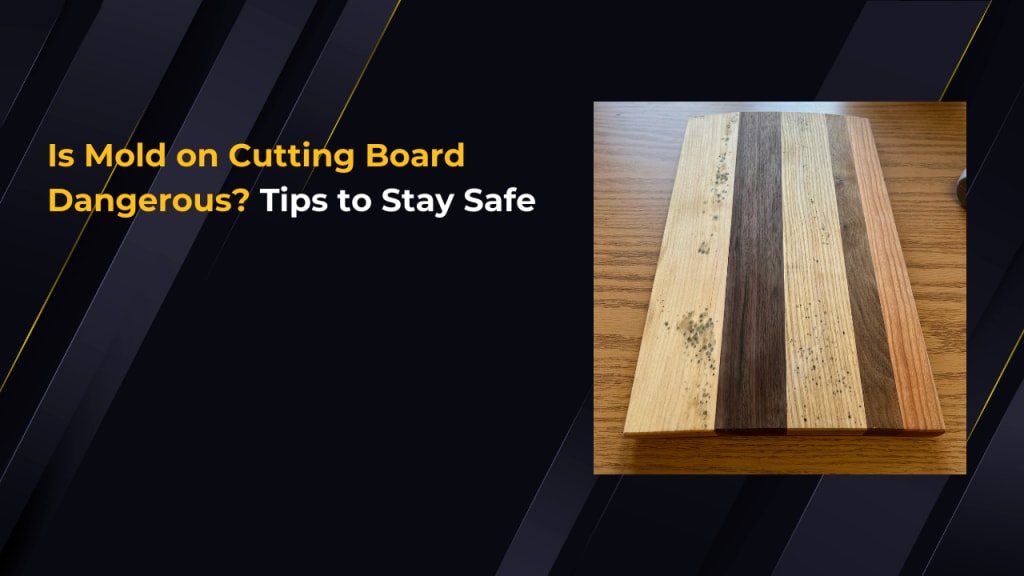
Keeping your kitchen clean is vital for food safety. One area that often gets overlooked is the cutting board. Many home cooks wonder: is mold on cutting board dangerous? Mold can grow on cutting boards when they are exposed to moisture, leftover food particles, or poor ventilation.
Understanding the risks, prevention methods, and the safest cutting board material is essential to maintaining a healthy cooking environment.
Why Keeping Your Cutting Board Clean Matters for Food Safety
Cutting boards are among the most frequently used kitchen surfaces. They hold raw meat, vegetables, fruits, and bread daily, making a durable, non toxic cutting board essential for safe and healthy cooking.
When not thoroughly cleaned, cutting boards can harbor dangerous bacteria like Salmonella, E. coli, and Listeria. These thrive on damp surfaces, turning ordinary boards into hidden foodborne illness risks without proper care.
People often ask: is mold on cutting board dangerous? The answer is yes. Mold can spoil food and trigger allergic reactions, especially in sensitive individuals. Good cleaning habits, regular inspection, and choosing safer materials help keep bacteria and mold under control.
What Causes Mold to Grow on Cutting Boards
Mold growth on cutting boards occurs under certain conditions:
- Moisture Retention: Wood and bamboo boards are porous, allowing moisture to seep in. Left unchecked, this moisture creates the perfect environment for mold.
- Food Residue: Tiny bits of food left on the board provide nutrients for mold spores to thrive.
- Poor Air Circulation: Storing a wet cutting board in a dark cabinet or closed drawer encourages mold growth.
- Inadequate Cleaning: Not washing or drying boards thoroughly after use allows mold to develop over time.
Understanding these causes helps explain why people often ask: is mold on cutting board dangerous. Recognizing the early signs of mold can prevent serious health issues.
Are Cutting Board Mold Risks Dangerous?
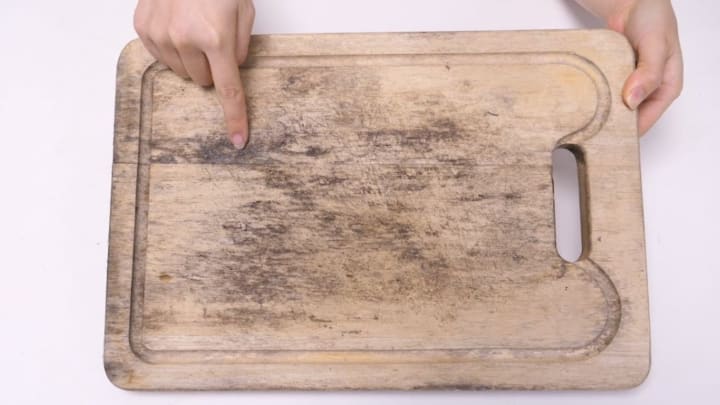
Yes, mold on a cutting board can be dangerous. Mold spores spread quickly, contaminating food and leading to allergic reactions, respiratory problems, or foodborne illnesses if not removed properly.
Eating food prepared on moldy cutting boards may trigger nausea, vomiting, or diarrhea. These health issues highlight why asking is mold on cutting board dangerous is an important question every home cook should consider.
For households with children, elderly adults, or immunocompromised individuals, the risks increase. Even small mold traces can encourage bacteria growth, making food preparation unsafe and potentially harmful.
Step-by-Step Guide to Safely Removing Mold from Cutting Boards
If you discover mold, acting quickly is key. Here’s how to remove it safely:
- Clean the Surface: Rinse under warm water, scrub with dish soap, and remove loose debris. Dry thoroughly.
- Use a Vinegar-Soaked Rag: Place a vinegar-soaked cloth over the moldy area for an hour. The acidity breaks down mold spores.
- Scrub with Salt and Lemon: Sprinkle coarse salt, scrub with lemon halves, and remove remaining mold. The acidity and abrasiveness help clean the board.
- Use Hydrogen Peroxide: Spray 3% hydrogen peroxide, leave for 10 minutes, then scrub and rinse.
- Apply Tea Tree Oil: Dilute tea tree oil in water, spray, leave for an hour, scrub if needed, then wash.
Following these steps ensures that you address the mold effectively. Remember, the main reason people ask is mold on cutting board dangerous is that improper cleaning can allow spores to spread to food.
Tips to Prevent Mold from Forming on Your Cutting Board
Preventing mold is easier than treating it:
Thorough Cleaning
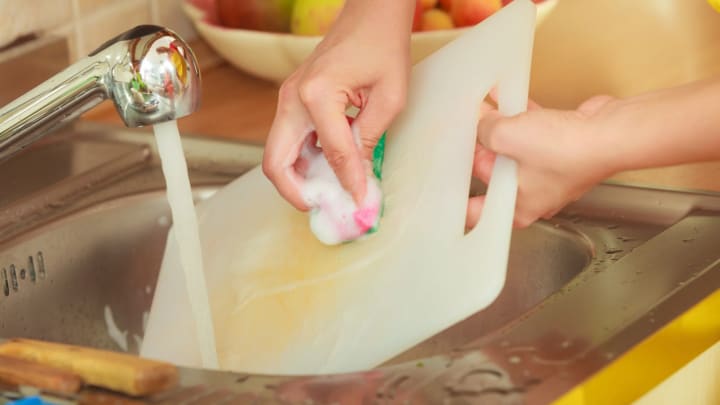
Wash your cutting board with hot, soapy water after every use. This removes food particles and bacteria, lowering mold risk and answering the concern: is mold on cutting board dangerous.
Proper Drying
Never leave your cutting board wet. Always air-dry in a ventilated space to prevent trapped moisture, since damp conditions encourage mold growth and raise questions about cutting board safety.
Regular Oiling
Wooden cutting boards benefit from regular mineral oil treatment. This creates a moisture barrier, reducing mold risk. Oiling extends board life and helps ensure safe, non-toxic food preparation surfaces.
Adequate Storage
Store your cutting boards in dry, well-ventilated spaces. Avoid damp, enclosed cabinets where mold thrives. Good airflow keeps surfaces dry, reducing chances of food contamination from hidden spores.
Use Separate Boards
Keep raw meat and fresh produce on different boards to minimize cross-contamination. This practice prevents mold buildup, reduces bacteria spread, and ensures your kitchen remains clean, safe, and healthy.
Implementing these habits helps answer the frequent question: is mold on cutting board dangerous, because prevention reduces the likelihood of mold forming.
Top Cutting Board Materials That Resist Mold
Choosing the right material makes a difference in preventing mold:
Plastic Cutting Boards
- Pros: Non-porous, dishwasher safe, easy to clean.
- Cons: Can develop deep grooves, which may harbor bacteria and mold.
Wood & Bamboo Cutting Boards
- Pros: Durable, gentle on knives, visually appealing.
- Cons: Porous, requiring regular cleaning and oiling to prevent mold growth.
Titanium Cutting Boards
- Pros: Non-porous, scratch-resistant, and durable.
- Cons: Rare and more expensive.
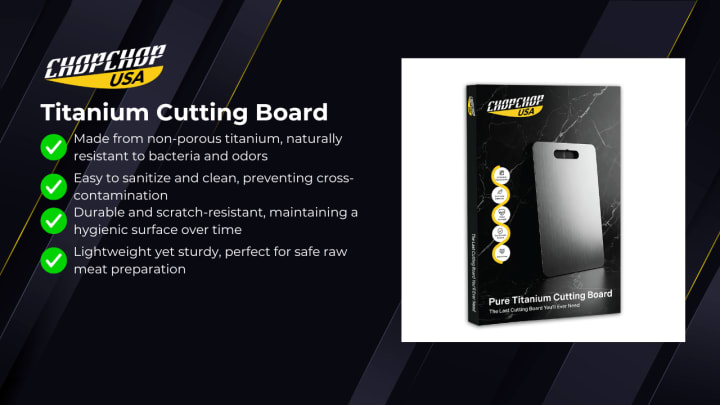
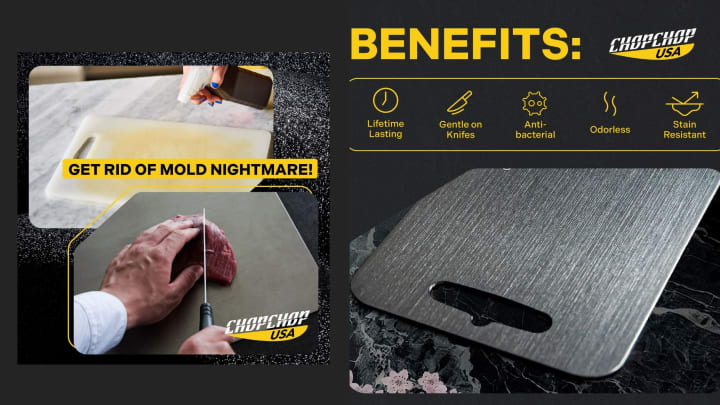
If you’re looking for the safest cutting board material, titanium stands out, and ChopChop USA delivers one of the best options. Their titanium cutting board is non-porous, scratch-resistant, and extremely durable, making it ideal for health-conscious cooks.
Unlike wood or plastic, titanium resists mold and bacteria growth, ensuring a hygienic surface. While titanium boards are rarer and more expensive, the long-lasting quality of ChopChop USA makes the investment worthwhile for anyone prioritizing kitchen safety and cleanliness.
Using the right material can minimize the chances of mold growth. This addresses the common concern: is mold on cutting board dangerous, since non-porous materials are less likely to harbor harmful spores.
When It's Time to Replace a Moldy Cutting Board
Even with careful cleaning, some boards eventually become unsafe and need replacement:
- Deep Grooves: Knife marks can create tiny cracks where food particles and moisture hide. These areas are difficult to sanitize, allowing mold to thrive. If cleaning no longer works, replacement is the safest step.
- Persistent Odors: A musty smell after washing is a strong indicator of deep mold contamination. Even if the surface looks clean, odors reveal mold that has penetrated too far inside.
- Visible Mold After Cleaning: If spots or discoloration remain after scrubbing, it means mold has embedded itself deeply. At this point, discarding the board is essential to protect your meals.
Regular inspections help maintain food safety and answer the common concern: is mold on cutting board dangerous.
When a board is contaminated beyond saving, replacing it is the only way to fully remove risks. Ignoring replacement proves again why is mold on cutting board dangerous in any kitchen.
Signs That Mold May Pose a Health Risk
Certain symptoms can reveal when mold exposure becomes harmful:
- Respiratory Issues: Sneezing, coughing, or itchy eyes after touching a moldy board may indicate allergic reactions. These are clear signs of exposure and should not be overlooked.
- Digestive Problems: Eating food prepared on contaminated boards can cause nausea, diarrhea, or stomach cramps. Such reactions are especially dangerous for children, elderly adults, or anyone with weak immune systems.
- Recurrent Mold Growth: If mold continues to return even after thorough cleaning, it suggests deep contamination that cannot be safely controlled.
Recognizing these symptoms helps answer the question: is mold on cutting board dangerous. Immediate cleaning or replacement is required to reduce risks. Overlooking these warning signs reinforces why is mold on cutting board dangerous, especially for households with vulnerable individuals.
Additional Safety Tips

Preventing mold is far easier than dealing with it later. Simple precautions make a big difference:
- Use Bleach Sparingly: A diluted bleach solution can disinfect plastic boards effectively. However, it should never be applied to wooden boards, as wood absorbs liquid and may become even more prone to mold.
- Keep Boards Dry: Moisture encourages mold growth. Always dry boards completely and store them upright in a well-ventilated place, not in a damp cabinet where air circulation is poor.
- Avoid Cross-Contamination: Never cut raw meat and vegetables on the same board without proper cleaning. This simple habit minimizes bacteria spread and reduces opportunities for mold to form.
Adopting these practices directly answers whether is mold on cutting board dangerous, since prevention lowers the risk significantly. Proper care proves that neglecting cleaning and drying makes is mold on cutting board dangerous to both your food and your health.
Conclusion
Mold on a cutting board is more than unsightly—it’s a health risk. Regular cleaning, drying, and choosing ChopChop USA titanium cutting boards helps prevent mold growth.
These durable, non-porous boards protect food safety, proving why prevention and proper maintenance are essential for a healthy kitchen.
FAQs
Can you still use a cutting board with mold?
No. Mold can remain deep inside porous materials even after cleaning. Replacement or thorough sanitizing is always the safest option.
How do you know if a cutting board has mold?
Look for dark spots, musty odors, or slimy textures. These clear signs mean immediate action is needed to protect your food.
Which cutting board material is least likely to grow mold?
Titanium and some plastics resist mold best, while wood absorbs moisture easily. Choosing the right material makes a big difference in safety.
Can washing a cutting board in the dishwasher kill mold?
Yes, for plastic and titanium boards. Avoid dishwashing wood or bamboo, as it can warp. Proper cleaning methods are crucial for food safety.
When should you replace your cutting board due to mold?
Replace if mold returns despite cleaning, odors persist, or grooves trap food. At that stage, replacement is the most reliable solution.
About the Creator
Keep reading
More stories from Olivia Kim and writers in Lifehack and other communities.
Stainless Steel Cutting Board Pros and Cons
Stainless steel cutting boards are popular in modern kitchens due to their durability, hygiene, and sleek appearance. Often regarded as the safest cutting board material, knowing its pros and cons helps you choose wisely.
By Olivia Kim5 months ago in Lifehack
Preparing to Move After Listing Your Home in the United States
Listing a home for sale is often the first step in a process that brings both excitement and uncertainty. While much attention is usually placed on preparing the property for showings and negotiating offers, the move that follows deserves just as much consideration. For homeowners across the United States, preparing to relocate while a home is on the market requires careful organization, realistic expectations, and emotional awareness.
By House Doctor2 days ago in Lifehack
Essential Differences Between MMA Flooring and Epoxy Flooring Systems
Ever walk into a big store, a hospital, or maybe even a high-end garage and catch yourself thinking, “Wow, that floor actually looks great—what’s it made of?” Turns out, there’s a good chance you’re standing on either MMA flooring or epoxy flooring. These two pop up all over the place, and for good reason. People pick them for all sorts of different spaces. At a glance, they seem pretty similar. But trust me, they’re not the same at all.
By Muhammad Hanzla6 days ago in Lifehack



Comments
There are no comments for this story
Be the first to respond and start the conversation.