
Modern Fireproofing Techniques for Commercial Structures
Innovative Solutions That Enhance Fire Safety, Structural Integrity, and Code Compliance in Today’s Commercial Buildings

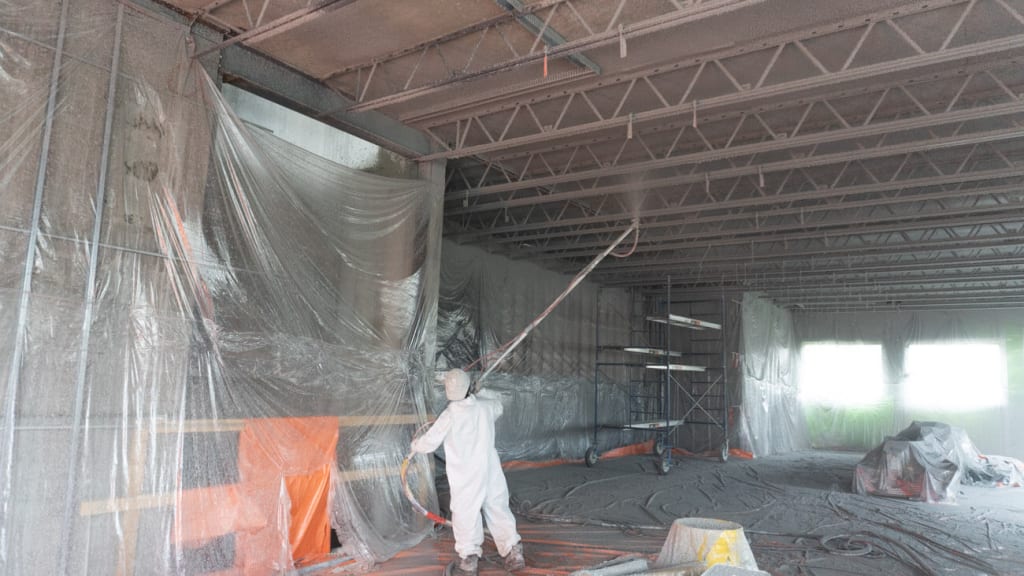
In today’s world, ensuring the fire safety of commercial buildings is not just a regulatory requirement it’s a critical part of responsible construction and facility management. With increasing urban density and complex building designs, fireproofing techniques have evolved significantly. Let’s explore the modern methods used to protect commercial structures from fire damage and enhance occupant safety.
Why Fireproofing Matters
Fireproofing is a passive fire protection strategy that involves applying materials or systems designed to delay the spread of fire and preserve structural integrity during high-temperature exposure. In commercial buildings, where large numbers of people and valuable assets are at risk, fireproofing is a vital line of defense.
Common Fireproofing Goals in Commercial Settings
- Delay structural failure to allow safe evacuation and emergency response.
- Limit property damage by slowing fire spread.
- Comply with local building codes and insurance requirements.
- Enhance safety for workers and occupants.
- Spray-Applied Fire-Resistive Materials (SFRMs)
SFRMs are among the most commonly used fireproofing materials for structural steel in commercial buildings. These are lightweight, cementitious or fiber-based materials that are sprayed directly onto surfaces.
Advantages
- Quick application
- Cost-effective
- Can be used in both new and retrofit projects
Limitations:
- Susceptible to damage if exposed
- Requires surface preparation and protection post-installation
- Intumescent Coatings
Intumescent paints expand when exposed to high temperatures, forming an insulating layer that protects structural components from heat.
Advantages:
- Aesthetic finish ideal for exposed steel in offices or retail spaces
- Space-saving (thin application)
- Durable and easy to maintain
Limitations:
- More expensive than SFRMs
- Requires controlled application conditions
- Fireproofing Boards and Blankets
These pre-formed systems offer high fire resistance and are commonly used for ducts, walls, and structural elements in commercial buildings.
Advantages:
- Consistent thickness and protection
- Minimal on-site labor
- Easily replaced if damaged
Limitations:
- Higher initial material costs
- May require additional framing or support
- Concrete Encasement
This traditional method involves encasing structural steel in concrete, providing both fire resistance and load-bearing capacity.
Advantages
- Extremely durable and fire-resistant
- Long history of successful use
Limitations:
- Adds weight to the structure
- Labor-intensive and costly
- Not suited for modern lightweight designs
- Modern Innovations and Smart Materials
Emerging technologies have introduced smart fireproofing materials that change properties in response to fire, such as thermally expanding gels or self-healing coatings. These innovations are still in early adoption phases but offer exciting potential for future buildings.
Regulatory Compliance and Testing
All fireproofing methods must comply with fire resistance ratings defined by standards such as ASTM E119 or UL 263. Third-party testing and certification ensure materials perform as expected under fire conditions.
Choosing the Right Fireproofing Strategy
There’s no one-size-fits-all approach. The choice of fireproofing technique depends on:
- Building type and use
- Design aesthetics
- Budget and timeline
- Local fire codes
Collaborating with fire protection engineers and material specialists is crucial for developing a tailored, code-compliant fireproofing system. Fire protection engineers bring a deep understanding of fire dynamics, building codes, and risk assessments, enabling them to identify potential fire hazards and determine the most effective fireproofing strategies. Their input ensures that the design aligns with local and international safety regulations, such as NFPA, IBC, or UL standards, reducing liabilities and improving overall building safety.
Material specialists contribute by selecting appropriate fire-resistant materials based on structural requirements, environmental conditions, and the specific fire rating needed. Their expertise ensures compatibility between materials and structural elements, optimizing performance while considering factors like application method, durability, and maintenance needs.
A collaborative approach between these professionals promotes early detection of design challenges and fosters innovative solutions tailored to the unique needs of each project. This interdisciplinary coordination enhances the reliability and longevity of the fireproofing system, while also streamlining the approval process with regulatory authorities.
Incorporating the expertise of both engineers and material specialists from the outset not only strengthens fire safety but also contributes to the project’s cost-effectiveness and sustainability, making it an essential practice in modern construction and infrastructure design.
About the Creator
Flocage Coupe Feu
Le flocage coupe-feu est une projection de matériaux ignifuges sur structures métalliques ou béton, offrant une protection passive contre le feu et retardant la propagation des flammes en cas d’incendie.
Keep reading
More stories from Flocage Coupe Feu and writers in Lifehack and other communities.
Stay Safe with Our Advanced Fireproofing Spray Technology
In a world where safety and preparedness are more important than ever, fire protection should be a top priority for every home and business owner. Fire outbreaks are unpredictable, fast-moving, and often devastating. Fortunately, there are preventive measures that can significantly reduce the risk of fire damage. One of the most effective solutions on the market today is fireproofing spray a simple, versatile product designed to provide a powerful line of defense. With our advanced fireproofing spray technology, you're not just protecting property you're protecting lives.
By Flocage Coupe Feu9 months ago in Lifehack
I Spent 30 Days Without Social Media and This Is What Happened to My Brain
I remember the exact moment I realized I had a problem. It was 2:00 AM, and I was scrolling through a stranger’s vacation photos from 2018. My eyes were burning, my neck ached, and I felt a strange emptiness in my chest. That night, I decided to do something radical: I deleted every social media app on my phone for 30 days.
By Hazrat Umer2 days ago in Lifehack



Comments (1)
Fireproofing commercial buildings is crucial. SFRMs seem practical for quick application, but their susceptibility to damage is a concern. Intumescent coatings sound great for aesthetics, but the cost and application conditions are drawbacks. How do you think we can balance cost and effectiveness when choosing fireproofing methods? Also, I wonder if there are new materials on the horizon that could combine the best of these existing options. Maybe something more durable and cost-efficient than what we have now.