
Pumpkin Cultivation in India with Facts and Information
Pumpkin Farming With Essential information

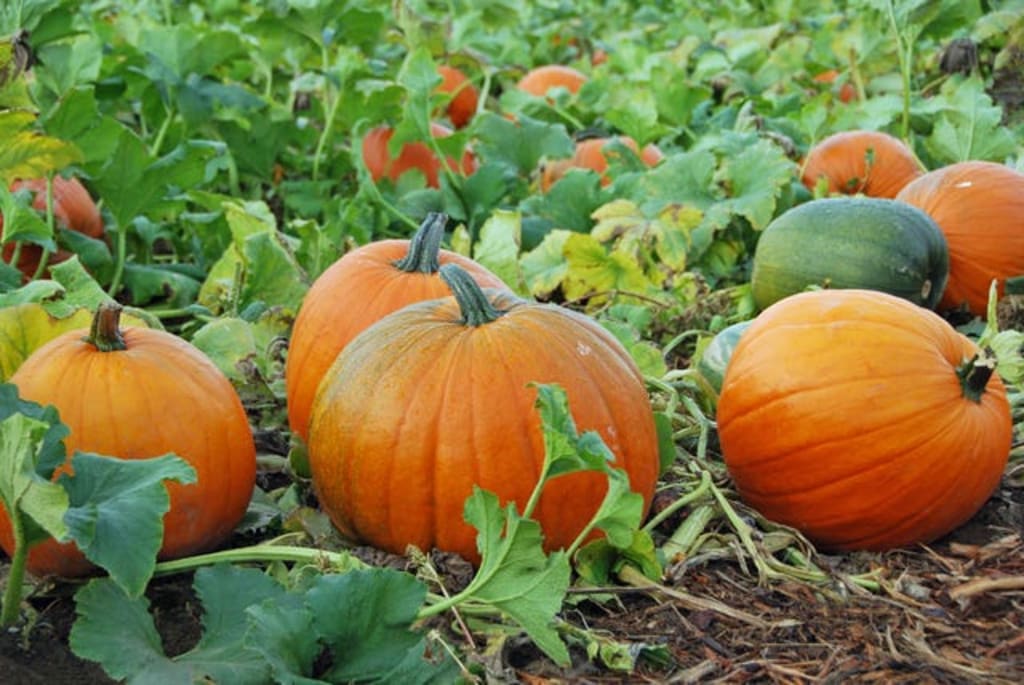
Pumpkin squash is a plant breed that is a nutrient-dense food and is rich in vitamins and minerals but little in calories. It has always been in great demand because apart from using it as a cooking ingredient, pumpkin flowers and seeds are also used as they are edible. That is why; you can grow them around the world for food and improvement. In commercial pumpkin farming, obtaining quality seeds is very important, as the seeds are used for propagation in the following cultivars. Pumpkin growing makes good profits commercially when the cultivation is done with the best farm organisation skills. Nowadays, it is possible to grow pumpkins in containers, backyards, pots, poly houses and greenhouses; You can even grow them hydroponically. Generally, you can easily obtain about 20 to 40 tonnes of fruit from this commercial cultivation.
1. Suitable Climate
Fundamentally, pumpkins are a warm vegetable crop, hindering cold temperatures. Various kinds of pumpkins can thrive in many kinds of climatic conditions. For its best vegetative growth, a temperature ranging between 20 °C to 30 °C is considered the optimum temperature. Growing pumpkins in an area that is too hot or too cold are not beneficial because pumpkin plants are very tolerant of frost conditions and do not grow well in very cold soil.
2. Suitable Soil
This commercial crop can grow well on a wide variety of soil types. With all the important organic matter, Sandy loam soil is considered the best soil for pumpkins. The pH of the soil is considered to be between 5.5 to 7.5 for growing pumpkins.
When you prepare the soil, you should be well-known for some core factors, such as which equipment you should use in pumpkin farming. However, tractors play the main role because they should have the best capacity to mount the attachment. However, you can choose the Sonalika tractor price, which is affordable and which comes with 20 HP to 120 HP that meets your requirement and fits according to your budget. And you can choose any other tractor model such as a Mahindra tractor, Eicher tractor etc.
3. Planting Season
You can grow pumpkins all year round, where a good water source is available. Still, farmers generally cultivate it from January to March and September to December. However, as a rain-fed crop, farmers always plant it at the beginning of the monsoon. In the cold areas, the ideal time to plant the pumpkin is at the end of May, whereas you can plant it in mid-July in a warm area.
4. Planting Pumpkins
Pumpkin seeds do not sprout at too cool a temperature. Therefore, you should sow the pumpkin seeds right on the main field for planting pumpkins. Planting on a raised bed assures drainage to avoid the issue of frequent wetting of the pumpkin roots, which invites any number of insects, pests and diseases. Generally, farmers cultivate the crop mainly on hills and surrounding regions. And they can plant about 2 to 4 seeds per hill. Farmers sow the seed at about 2.5 depths for best growth.
5. Spacing
Distance varies with cultivar and vine size, and, to get more production, grow a small vine or bush pumpkin variety. Planting them in rows about 1.5 to 2 metres apart is considered the best for commercial pumpkin growing.
6. Irrigation in Pumpkin Farming
You should do the first irrigation immediately after sowing the seeds in the field. Then after that, give the water at an interval of 3 to 4 days in the initial growth stage. If you have good irrigation ability, it is best to water the pumpkin by the farrow method. Drip irrigation is ideal for pumpkin cultivation if you cultivate in areas where water is scarce. You should water in the monsoon.
7. Manures and Fertilisers Applications
You apply about 50 tonnes of ordinary manure during soil preparation, commonly in the last plough, to the topmost soil. During land preparation, 50 to 60 kg of Nitrogen and 30 kg of potash application is advantageous in improving yield.
8. Harvesting
This is usually done when the stem of the plant begins to shrink. However, harvesting may vary from variety to variety and depends on the market demand. Therefore, it is better to start harvesting at their tender age based on market demand. Pumpkins should be harvested when they are hard and dark solid wood in colour. Harvesting at this stage will also help collect some seeds for more cultivation.
- Some facts about Growing Pumpkins
- Generally, most pumpkins take 3 months to 4 months for the first harvest after seeding in the soil.
- It suggested placing a piece of wood under the grown pumpkin vines to prevent root rot disease.
- How many pumpkins you get for one plant depends on the variety. The regular varieties produce 2 to 4 pumpkins per 1 plant, while the miniature types produce more pumpkins per 1 plant.
- The reason for yellowing pumpkin leaves is a nutritional deficiency or infection.
- Always sow pumpkin seeds when the soil temperature exceeds 19°C and avoid frosty conditions. The pumpkin seeds will not germinate in cold weather.
Along with the process of pumpkin farming, you should also consider the equipment that will help to improve the yield. Cultivators, tillers and tractors are crucial factors in pumpkin cultivation. You can choose the Kubota Tractor price in India and any other tractor brand.
For further information regarding pumpkin cultivation in India, stay tuned with us.
About the Creator
Sanvendra
Blogger by passion who loves to find something that inspires him and makes sense by sharing in the words which can provide everyone some best picks around the web…If You want to know about Commercial vehicles, its popular models & features.
Top 5 Best Bedroom Humidifiers for Sinus Pain, Allergies & Dry Nose
When the air becomes dry, sinus pain often feels worse, and nighttime is really the worst. But a bedroom humidifier can help keeping moisture steady. It helps ease pressure and dryness. So, I research humidifiers by studying airflow, noise levels, and brand reputation.
By Mohammed mamun5 days ago in Lifehack
The Quiet Journey of a Piano Across Tulsa
In Tulsa, Oklahoma, a piano is rarely treated as a simple object. It occupies space not only in a room, but in the emotional life of a household. Many families can trace the presence of their piano through years of routine and change, remembering moments when music filled the air and others when the instrument stood silently, still meaningful simply by being there. When the time comes to move a piano across Tulsa, it often feels less like a task and more like a passage from one chapter of life to another.
By House Doctorabout 16 hours ago in Lifehack
The Angry Man in Your House
"If you grow up with an angry man in your house, there will always be an angry man in your house" This statement has caused plenty of controversy online, people say its a statement that blames victims while also undermining those who break traumatic cycles to form health relationships... but if I'm honest now that I'm in my 30s it makes more sense to me than ever, and I'd argue that its not just about fathers and uncles.
By S. A. Crawford4 days ago in Humans



Comments
There are no comments for this story
Be the first to respond and start the conversation.