
Spray Foam Insulation Removal: Health Risks You Should Know
Spray Foam
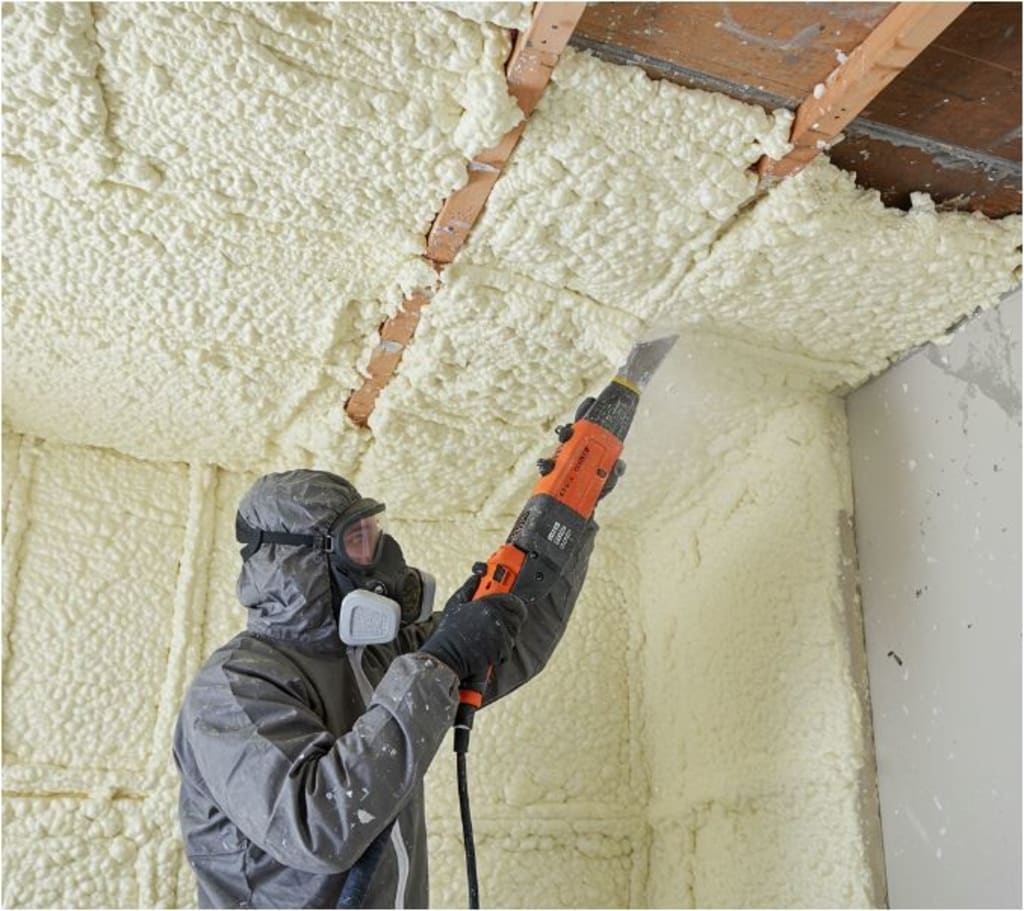
Spray foam insulation has become a popular choice for UK homeowners seeking energy-efficient solutions. Its ability to seal gaps and provide high thermal resistance makes it appealing, but growing concerns about its health risks, particularly during removal, have sparked debate. Improperly installed spray foam can lead to structural damage, mortgage refusals, and serious health hazards. This article delves into the health risks associated with spray foam insulation removal, why it’s a complex process, and how to approach it safely. By understanding these risks and taking informed steps, homeowners can protect their health and property.
What is Spray Foam Insulation?
Spray foam insulation is a polyurethane-based material applied as a liquid that expands into a foam, creating an airtight seal. It comes in two types: open-cell, which is lightweight and breathable, and closed-cell, which is denser and more rigid. While it’s effective for insulating lofts, walls, and floors, its permanence and chemical composition raise concerns. Once cured, spray foam adheres strongly to surfaces, making removal challenging and potentially hazardous.
In the UK, spray foam gained popularity through government schemes like the Green Homes Grant, which subsidised installations. However, issues such as poor installation, moisture entrapment, and health risks have led to a backlash, with many homeowners now seeking removal.
Why Remove Spray Foam Insulation?
There are several reasons homeowners may need to remove spray foam insulation:
1. Health Concerns: Spray foam contains chemicals like isocyanates and volatile organic compounds (VOCs), which can off-gas during and after installation, potentially causing respiratory issues, skin irritation, and allergic reactions.
2. Structural Damage: Improperly installed foam can trap moisture, leading to mould growth, timber decay, and roof damage. This is particularly problematic in older UK homes designed to “breathe.”
3. Mortgage and Insurance Issues: Many UK lenders, including TSB Bank and Skipton Building Society, refuse to finance properties with spray foam due to risks of concealed damage. This can devalue homes or prevent sales.
4. Renovation Needs: Spray foam’s permanence complicates renovations, as it must be removed to access underlying structures.
5. Poor Installation: Uneven application or incorrect chemical ratios can reduce insulation effectiveness and exacerbate health risks.
Given these issues, removal is often necessary, but it’s not a straightforward process. The health risks associated with removal require careful consideration.
Health Risks of Spray Foam Insulation Removal
Removing spray foam insulation is a labour-intensive process that can release harmful substances into the air. Here are the primary health risks:
1. Exposure to Isocyanates
Isocyanates, a key component of spray foam, are highly reactive chemicals. During removal, cutting or grinding the foam can release isocyanate particles or vapours, which may cause:
• Respiratory Issues: Inhalation can irritate the lungs, trigger asthma, or lead to chemical sensitisation, where even small future exposures cause severe reactions.
• Skin and Eye Irritation: Contact with isocyanate dust can cause rashes, burns, or eye discomfort.
• Long-Term Effects: Prolonged exposure may contribute to chronic respiratory conditions or, in rare cases, increase cancer risk.
The U.S. Environmental Protection Agency notes that isocyanates are a leading cause of workplace asthma, highlighting their potency.
2. Volatile Organic Compounds (VOCs)
Spray foam can release VOCs, such as formaldehyde, during removal. These gases contribute to indoor air pollution and may cause:
• Headaches and Dizziness: Short-term exposure can lead to discomfort and cognitive issues.
• Respiratory Irritation: VOCs can exacerbate conditions like asthma or allergies.
• Long-Term Health Risks: Continuous exposure may affect liver, kidney, or nervous system function.
Proper ventilation and professional removal are critical to minimising VOC exposure.
3. Spray Foam Dust
The removal process generates fine dust particles, which can infiltrate HVAC systems, air ducts, and living spaces. Inhaling this dust may lead to:
• Respiratory Distress: Dust can irritate the throat and lungs, particularly for those with pre-existing conditions.
• Allergic Reactions: Sensitive individuals may experience skin rashes or respiratory symptoms.
• Bioaccumulation: Toxic particles may accumulate in the body over time, posing long-term risks.
High-efficiency particulate air (HEPA) filtration and specialised cleaning are essential to manage dust.
4. Sensitisation Risks
Repeated exposure to spray foam chemicals can sensitise individuals, making them hyper-reactive to even trace amounts of isocyanates or VOCs. This is particularly concerning for households with children, pets, or individuals with compromised immune systems.
5. Improper Removal Risks
DIY removal attempts can amplify health risks. Without proper equipment, homeowners risk:
• Inadequate Protection: Lack of respirators, gloves, and protective clothing increases exposure.
• Structural Damage: Aggressive removal can damage wiring or plumbing, creating additional hazards.
• Incomplete Removal: Leaving foam fragments can perpetuate moisture and health issues.
Safe Spray Foam Insulation Removal: Best Practices
Given the health risks, spray foam removal should always be handled by professionals. Here’s how experts ensure safety:
1. Comprehensive Inspection
A qualified surveyor assesses the extent of foam coverage, checks for structural damage, and tests for chemical residues like isocyanates. The Property Care Association’s (PCA) Sprayed Foam Insulation Inspection Protocol, introduced in 2023, standardises this process.
2. Specialised Equipment
Professionals use advanced tools, such as:
• HEPA Vacuums: To capture fine dust particles.
• Dry Ice or Soda Blasting: To remove foam without damaging structures.
• Personal Protective Equipment (PPE): Including respirators, gloves, and suits to protect workers.
3. Controlled Removal
Foam is removed in sections to minimise dust and vapour release. The area is sealed, and ventilation systems are used to maintain air quality.
4. Thorough Clean-Up
Post-removal, the area is cleaned to eliminate residual dust. Air ducts and HVAC systems are inspected and cleaned if necessary.
5. Proper Disposal
Spray foam contains chemicals that require special disposal to comply with UK environmental regulations. Professionals ensure safe transport and disposal.
6. Post-Removal Inspection
A follow-up survey confirms all foam is removed and the structure is sound. This is crucial for satisfying mortgage lenders.
Costs of Spray Foam Insulation Removal
Removal costs vary depending on the property size, foam type, and extent of coverage. According to Checkatrade, removing spray foam from a three-bedroom detached house costs approximately £3,200, or £40 per square metre. However, costs can range from £5,000 to £10,000 for complex cases involving structural repairs. Factors influencing costs include:
• Labour: Skilled professionals command higher fees due to the process’s complexity.
• Equipment: Specialised tools like dry ice blasters increase expenses.
• Disposal: Safe disposal of hazardous materials adds to the cost.
• Repairs: Addressing moisture damage or replacing timbers can escalate expenses.
Alternatives to Spray Foam Insulation
To avoid future removal issues, consider safer insulation options:
• Mineral Wool: Breathable, recyclable, and widely accepted by lenders.
• Cellulose: Eco-friendly, made from recycled paper, with good thermal performance.
• Rigid Foam Boards: Easy to install and remove, with minimal health risks.
• Fibreglass: Cost-effective and reversible, ideal for traditional UK homes.
These alternatives balance energy efficiency with safety and flexibility, reducing the likelihood of health or financial complications.
FAQs About Spray Foam Insulation Removal
1. Is spray foam insulation removal dangerous?
Yes, removal can release harmful chemicals like isocyanates and VOCs, posing respiratory and skin risks. Professional removal with proper equipment and ventilation minimises these dangers.
2. Can I remove spray foam insulation myself?
DIY removal is strongly discouraged due to health risks and potential structural damage. Professionals have the expertise and tools to handle it safely.
3. How long does spray foam insulation removal take?
The process typically takes 1–3 days, depending on the property size and foam coverage. Complex cases may require additional time for repairs.
4. Will removing spray foam insulation increase my property’s value?
Yes, removal can make your home more appealing to buyers and lenders, as many UK mortgage providers refuse properties with spray foam.
5. Are there eco-friendly alternatives to spray foam?
Yes, options like cellulose, mineral wool, and fibreglass are safer, recyclable, and widely accepted by insurers and lenders.
6. How can I find a reputable removal company?
Choose a company registered with TrustMark or the PCA. Check reviews, verify credentials on Companies House, and request a detailed quote.
Conclusion
Spray foam insulation removal is a complex process fraught with health risks, from isocyanate exposure to VOC off-gassing and dust inhalation. While spray foam offers energy efficiency, its potential to cause structural damage and health issues makes removal necessary for many UK homeowners. By opting for professional removal, using safer insulation alternatives, and staying informed, you can protect your health, property, and financial interests. Always consult qualified surveyors and avoid DIY attempts to ensure a safe and effective outcome.
Related Post:
Is Spray Foam Insulation Good for Your House if yes, Then How?
About the Creator
Neck Akila
My specialty is combining research-backed strategies to create marketing copy that resonates with readers and drives conversions
Keep reading
More stories from Neck Akila and writers in Lifehack and other communities.
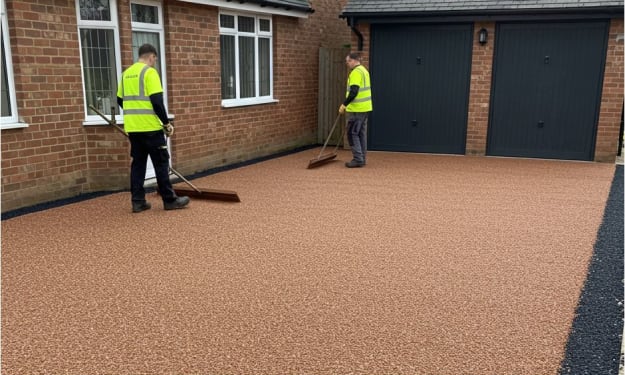
What Guarantees Come with Professional Resin Bound Driveway Installation Services in the UK?
When investing in a resin bound driveway, homeowners expect not only a visually stunning and durable surface but also assurances that their investment is protected. Professional resin bound driveway installation services in the UK offer a range of guarantees, ensuring quality workmanship, durability, and customer satisfaction. Here, we detail the most important guarantees you should receive when choosing a reputable installer.
By Neck Akila11 months ago in Lifehack
Why an Adjustable Laptop Stand Is a Game
Why an Adjustable Laptop Stand Is Essential for a Healthy Remote Work Setup Working remotely has many advantages, but it also comes with hidden challenges — especially when it comes to posture, comfort, and long hours spent in front of a laptop. One of the most common mistakes remote workers make is working with their laptop placed flat on a desk for hours at a time. While it may seem harmless at first, this setup often leads to neck pain, shoulder tension, and long-term posture issues.
By Bahati Mulishi5 days ago in Lifehack
Lately, I'm empty
Lately, I feel an emptiness inside of me that doesn’t make any sense. I was fine a week ago and now I’m numb to the pain that I’ve been carrying around. Numb to the idea of me existing. I wish I could go to a place where I can hear happy positive thoughts and surround myself with joy. The medication I’m on doesn’t seem to work anymore. I still feel pain from existing, why am I here anyways? Merely to exist. I don’t feel like I’m making any differences being here.
By Cerina Galvan5 days ago in Confessions


Comments
There are no comments for this story
Be the first to respond and start the conversation.