
Targeting microorganisms linked to stomach cancer, a new chocolate innovation
Identifying the offender

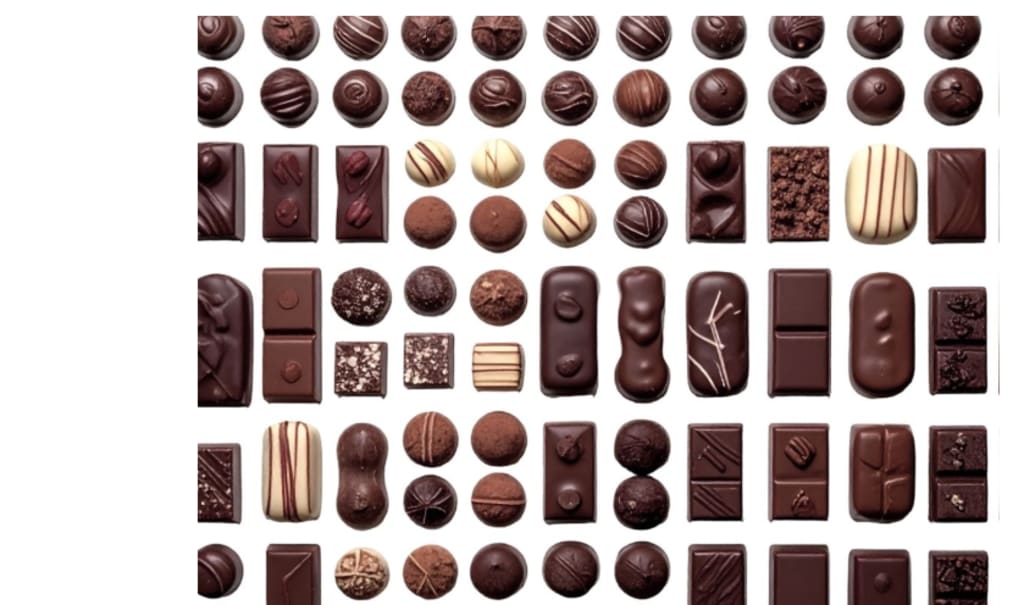
It has been demonstrated that chocolate truffles manufactured from grape waste suppress the stomach microbe most closely associated with gastric cancer. The discovery gives discarded winemaking materials a new biological purpose while redefining a familiar meal as a possible tool for lowering infection risk.
Truffles on a quest
Bite-sized chocolate bonbons infused with extracts from grape skins and seeds—which are typically discarded after wine production—showcase the impact.
Dr. Ileana González of the Catholic University of Maule (UCM) directly showed that the enriched truffles inhibited Helicobacter pylori growth by adding those extracts to chocolate.
The majority of stomach cancer cases in Chile are caused by this bacterium, and its persistence frequently goes undiscovered for years, therefore this suppression is important.
The outcome provides a promising foundation, but it is unclear how consistently the impact will hold up outside of controlled testing and in real-world applications.
Identifying the offender
The spiral microorganism that can reside in the stomach lining and frequently causes ulcers is known to doctors as Helicobacter pylori. The bacterium irritates tissue once it has taken hold and can activate the immune system for years.
According to medical evaluations, H. pylori infection is a significant risk factor for stomach cancer that health systems work to lower. Keeping bacterial levels low becomes a practical goal because, for many people, symptoms may not show up until damage has been done.
Internal stomach damage
The stomach lining's ongoing inflammation needs ongoing repair, and the increased cell division may increase the risk of cancer.
In addition to this deterioration, the infection may produce oxidative stress, which is the term for cell damage brought on by reactive molecules, within adjacent cells.
As tissues attempt to repair, those alterations may cause the stomach's protective layer to shift over time, allowing dangerous mutations to accumulate. Although only a small percentage of infections result in cancer, all cases begin with damage that never completely goes away.
Using chocolate as a vehicle
Cocoa beans, the raw material for chocolate, naturally contain plant compounds called polyphenols that have the ability to inhibit the growth of germs. These substances can reduce the ability of microorganisms to adhere and proliferate by rupturing bacterial membranes or inhibiting essential enzymes.
Cocoa extracts have been shown to have a bactericidal effect against cultured H. pylori in experimental settings. González had a well-known shell to transport additional plant chemicals without making the product feel medicinal thanks to that baseline chemistry.
Grape waste has power.
The skins, seeds, and stems that remain after pressing grapes are known as grape pomace, and they typically end up in landfills or compost.
Concentrated antioxidants are extracted by solvents, and those compounds may interact with bacteria in ways that restrict their ability to survive.
Grape chemicals were among the plant extracts examined for their ability to inhibit H. pylori, according to a recent assessment. By using that waste stream, the truffles were able to reduce the region's disposal burden while simultaneously promoting new health claims.
Antibiotic limits
H. pylori frequently survives the first attempt in many individuals, despite the fact that standard eradication therapy involves several medications.
Doctors are forced to use more medications and extend treatment regimens as a result of the rise in antibiotic resistance, which makes germs resistant to common medications.
According to one meta-analysis, when patients also adhered to standard regimens, the addition of polyphenols slightly increased eradication rates.
Prescription drugs cannot be replaced by food-based methods, but they can provide assistance before an infection worsens or becomes challenging to treat.
Constructing the bonbons
The researchers had to lock plant extracts into chocolate without sacrificing stability or flavour in order to make the concept palatable.
Making food prototypes out of winery dregs to help stop bacterial colonisation was detailed in an internal UCM paper.
"By searching for antioxidant compounds, we added value to the byproducts that the wine agroindustry threw away," Dr. González noted.
The next difficulty is to demonstrate that each batch consistently provides the same active chemicals over time, now that licensing and patent procedures have begun.
Evidence is still required.
Because actual stomachs mix food, acid, and microorganisms in chaotic ways, lab inhibition may not always translate into lower cancer rates.
Many foods are blocked by H. pylori's ability to create biofilms, which are populations of bacteria bound together by slime, inside the stomach.
Human studies must demonstrate that the bonbons safely lower infection levels without encouraging overeating before anyone can make a preventative claim.
In the meanwhile, the candies should be used in conjunction with evidence-based screening and treatment rather than in substitute of medical care.
Creating value out of rubbish
In addition to its potential health benefits, the project promotes a circular economy by reusing vineyard waste rather than disposing of it in landfills in communities that produce wine.
With each new award lasting up to 24 months, regional leaders supported the work with almost three billion Chilean pesos, or around $3.5 million USD.
Up to 200 million Chilean pesos, or roughly $230,000 USD, can be applied for by teams per project, which helps advance prototypes toward licensing and the development of jobs in the area. Instead of being a seasonal disposal issue, vineyard leftovers may become a consistent input for food producers if the bonbons make it to the shops.
A gentle, cautious step
Gonzalez has established chocolate as a useful vehicle for substances that combat infection by combining the chemistry of cocoa with grape waste.
Future research must demonstrate whether consistent use can significantly reduce the incidence of stomach cancer without encouraging excessive sugar intake or conflating prevention with therapy.
About the Creator
Keep reading
More stories from Francis Dami and writers in Lifehack and other communities.
Microplastic buildup in human brains, mostly in dementia patients, is shown by a disturbing study.
Microplastics are tiny pieces of plastic that have been found in food, water, and the air. These microplastics can now cross the blood-brain barrier and gather in deep brain regions, according to a study done on 52 donated human brains.
By Francis Dami2 days ago in Lifehack
How Programmatic Advertising Enhances Precision in Digital Ad Targeting
Digital advertising has experienced a quick transformation in the last 10 years and has transformed into a far less general, more manual, and more data-driven approach to target the right audience at the right time. With the competition for consumer attention increasing, companies are exploring smarter alternatives to provide consumers with relevant messages without spending the budget. It is here that automation and data are central to the current advertising approaches.
By Jane Smithh5 days ago in Lifehack
The Step-by-Step Process of Clinic Setup in Dubai for Healthcare Professionals
Dubai has emerged as a regional hub for advanced healthcare services, attracting medical professionals from around the world. With modern infrastructure, a diverse patient population, and strong regulatory systems, the city offers significant opportunities for healthcare practitioners. However, setting up a clinic in Dubai involves several structured steps, approvals, and compliance requirements.
By Adnan Sheikha day ago in Lifehack



Comments
There are no comments for this story
Be the first to respond and start the conversation.