
United States Self Storage Market to Reach USD 35.8 Billion by 2034, Growing at 1.73% CAGR
The first movement begins long before moving trucks line suburban streets.
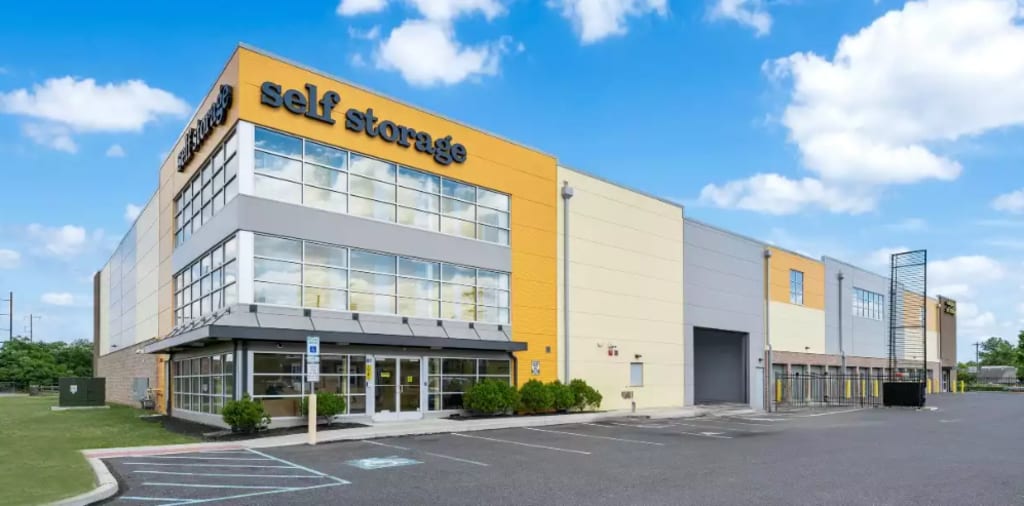
Access panels light up. Security cameras rotate quietly. Roll-up doors lift in synchronized rows across suburban corridors. Inside, furniture waits between leases. Inventory rests between sales cycles. Boxes hold documents that no longer fit in shrinking closets.
Self storage is not excess space.
It is transitional infrastructure.
According to industry projections, the United States Self Storage Market size is valued at USD 30.6 Billion in 2025 and is expected to reach USD 35.8 Billion by 2034, expanding at a compound annual growth rate (CAGR) of 1.73% during the forecast period.
The Baseline: USD 30.6 Billion in 2025
A valuation of USD 30.6 billion positions self storage as a structured, service-driven segment within the broader U.S. real estate ecosystem.
This figure represents recurring monthly rentals across:
- Residential customers
- Small businesses
- E-commerce sellers
- Transitional movers
- Long-term asset holders
When users search:
- “United States self storage market size 2025”
- “US self storage industry valuation”
- “Self storage market forecast 2034”
- The answer is defined by three numbers:
- 2025 Market Size: USD 30.6 Billion
- 2034 Forecast: USD 35.8 Billion
- CAGR: 1.73%
Understanding the 1.73% CAGR
A 1.73% compound annual growth rate reflects measured expansion in a mature market.
Unlike high-growth emerging sectors, self storage operates on:
- High market penetration
- Established facility networks
- Recurring occupancy models
- Predictable pricing structures
- Growth at 1.73% means:
- Each year builds upon a slightly larger revenue base
- Expansion is steady rather than cyclical
- Long-term returns depend on operational efficiency, occupancy optimization, and incremental rate adjustments
By 2034, the industry adds more than USD 5 billion in additional market value compared to 2025.
Why Demand Remains Consistent
Self storage demand is anchored in behavioral constants:
Residential Mobility
Job relocations, interstate migration, and lifestyle transitions create temporary storage needs.
Urban Space Compression
Smaller apartments and rising property costs push excess belongings off-site.
Life Event Transitions
Marriage, divorce, inheritance, downsizing, and renovation sustain rental activity.
Small Business Storage
Entrepreneurs use units as flexible micro-warehouses without committing to large commercial leases.
The industry expands because modern life is dynamic — and living space is finite.
Structural Characteristics of the Market
The United States self storage industry is defined by:
- Standardized unit formats
- Monthly rental billing cycles
- Facility-based revenue concentration
- Location-driven competition
- Technology-enabled access systems
Facilities increasingly integrate:
- Online reservations
- Contactless leasing
- Smart access controls
- Automated payment systems
Operational optimization now plays a greater role than physical expansion in sustaining growth.
The Economics of Stability
Unlike industries driven by rapid innovation cycles, self storage growth reflects:
- Stable occupancy rates
- Moderate pricing power
- Real estate-backed assets
- Recurring cash flow models
A CAGR of 1.73% in a mature real estate service segment indicates structural demand rather than speculative growth.
Revenue does not spike.
It accumulates.
Market Outlook Through 2034
By 2034, the U.S. self storage market is projected to reach USD 35.8 Billion.
This projection suggests:
- Continued facility utilization
- Gradual rental rate adjustments
- Incremental geographic expansion
- Ongoing demand from both residential and commercial segments
Search-driven queries such as:
- “Is the US self storage market growing?”
- “Future outlook of United States self storage industry?”
- “Self storage market forecast 2034?”
All align with the steady upward trajectory from USD 30.6 billion to USD 35.8 billion.
Compounding Space in a Finite Environment
Storage facilities do not generate headlines. They generate occupancy.
Behind uniform steel doors lies an economic system tied directly to mobility, property values, and consumption patterns.
A 1.73% annual growth rate may appear restrained. But over nine years, it adds billions in cumulative value — reinforcing the industry’s position as a stable, infrastructure-adjacent service sector.
As urban density increases and consumer mobility persists, the demand for externalized space continues.
- Not through disruption.
- Not through speculation.
- But through repetition.
Each month.
Each lease.
Each renewed contract.
The growth is quiet — but it compounds.
About the Creator
Keep reading
More stories from Ashutosh Srivastava and writers in Lifehack and other communities.
United States Transfection Technologies Market: Powering the Next Era of Genetic Innovation
A research associate prepares cultured cells. A reagent vial is thawed. Genetic material is introduced into living cells with microscopic precision. What happens next may influence cancer therapies, gene editing breakthroughs, or the next generation of biologics.
By Ashutosh Srivastavaabout 4 hours ago in Futurism
At My Wits’ End
Life is about taking out the trash and calling it trash because you have every reason to. It wasn't meant to be linear, they say. But the times you tried to make it straight led to problems, and you didn’t have the tools to put any of it to use. You don't put your right shoes on the right feet; you put the left shoes on the left feet. The grey hardened slab will trip you up anyway.
By Caitlin Charlton5 days ago in Humans




Comments
There are no comments for this story
Be the first to respond and start the conversation.