
When Did Water Become a Fashion Statement?
Exploring the Evolution of Hydration Habits

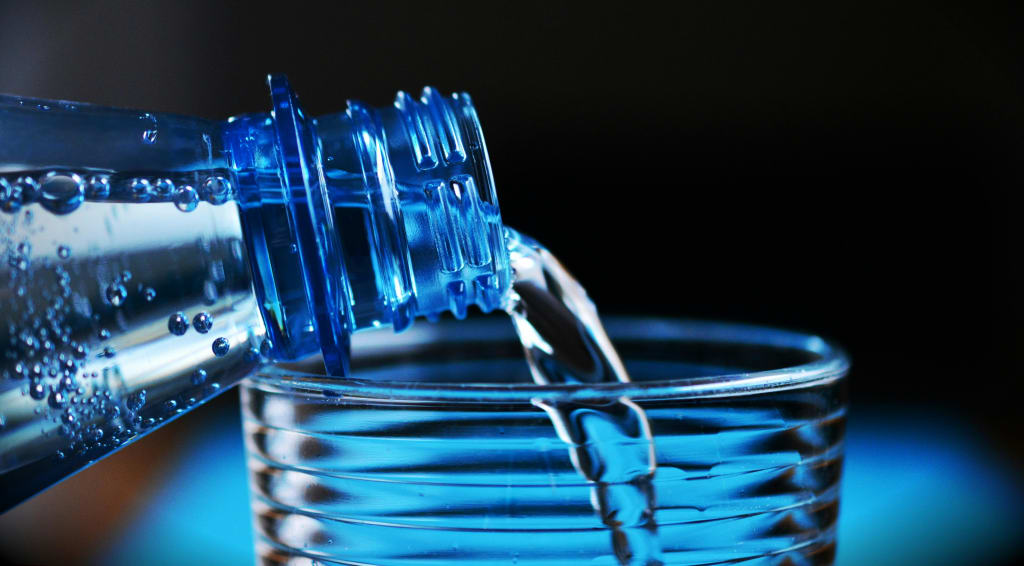
Why does everyone today seem to carry a water bottle while on a Sunday walk or at their desk, sipping constantly? This wasn’t the case in the past, yet water was just as available. Has something changed, or is it just marketing making us hyper-aware of hydration?
From personal experience, I know I can work out for nearly an hour before feeling thirsty. When I do train, I ensure that I hydrate well beforehand, which means I don’t need to lug around a giant water bottle at the gym. Yet, many people bring along two-litre bottles and empty them after moderate physical activity.
As someone slightly overweight by BMI standards, I know that water accounts for 50–60% of adult body weight, with men typically on the higher end and women slightly lower. This depends on age, body composition, and other factors. For example, muscle holds more water than fat, meaning people with higher muscle mass have greater water content.
During physical activity, significant fluid loss occurs through sweat. Sweating regulates body temperature, and fluid loss varies with exercise intensity, climate, and individual factors like genetics and fitness level. Under intense conditions, people can lose 1–2 litres of water per hour. They are replenishing this lost fluid before, during, and after exercise is crucial to maintain performance and avoid dehydration.
At 91 kg, my body contains roughly 45–55 kg of water. After a workout, I often weigh 1–1.3 kg less—equivalent to the water I’ve lost. By drinking adequately before and after exercise, I balance this loss without needing to bring a two-litre water bottle to the gym.
Clear water is essential for bodily functions like nutrient transport and temperature regulation. But is the marketing claim that everyone must drink eight glasses a day valid?
I believe the “eight glasses a day” rule is a myth. Scientific evidence doesn’t support this blanket recommendation. Hydration needs vary by weight, activity, diet, and environment. Most people can stay hydrated by drinking when thirsty and consuming fluids from other drinks and foods. Listening to your body’s thirst cues is key.
Drinking water constantly without feeling thirsty can be unnecessary—or even harmful. The body uses thirst to signal hydration needs. Overhydration can disrupt the body’s electrolyte balance, leading to hyponatremia (low sodium levels). Symptoms of overhydration, like nausea, headaches, and cramps, overlap with dehydration symptoms, making it crucial to listen to thirst signals.
Signs of overhydration:
• Clear, odorless urine.
• Frequent urination (6–8+ times daily).
• Physical symptoms: nausea, vomiting, headaches, swelling in extremities.
• Muscle cramps from diluted electrolytes.
Signs of dehydration:
• Thirst, dry mouth, or sticky saliva.
• Infrequent urination.
• Dizziness and dark urine.
Dehydration has well-known risks, including poor concentration, headaches, digestive issues, and fatigue. Skin elasticity and joint health also suffer when water intake is insufficient.
Interestingly, drinking water can also influence appetite and weight. Consuming water before meals may reduce appetite and calorie intake, aiding weight loss. Water-induced thermogenesis even boosts metabolism slightly.
Conclusion:
Listen to your body. Drink when thirsty, and trust your brain to regulate your water needs. Constant hydration isn’t necessary, and overhydration can be harmful. Your body will signal when it’s time for a drink—pay attention, and stay balanced. Have a great day!
About the Creator
Svein Ove Hareide
Digital writer & artist at hareideart.com – sharing glimpses of life, brain tricks & insights. Focused on staying sharp, creative & healthy.
Keep reading
More stories from Svein Ove Hareide and writers in Lifehack and other communities.
Beyond the Stopwatch: How VO2 Max Testing Is Changing the Way People Measure Fitness
For decades, people have judged fitness using simple markers such as pace, distance, weight, or the number of calories displayed on a watch. These indicators still have value, yet they only show part of the picture. As training methods become more informed and accessible, many runners, cyclists, and everyday exercisers are looking deeper into how their bodies actually perform. One method gaining attention is vo2 max testing, a way of measuring how efficiently the body uses oxygen during exercise.
By Rochelle Martinez2 days ago in Lifehack
Best Humidifier for Arizona: Top Picks for Comfort and Health
Dry air in Arizona can make sleep rough and leave skin and sinuses irritated quickly. A good humidifier for Arizona is one that adds steady moisture without noise, leaks, or extra hassle. I notice, after researching specs, real feedback, and climate needs, that desert homes benefit most from quiet units with consistent output and easy upkeep.
By Mohammed mamunabout 5 hours ago in Lifehack




Comments
There are no comments for this story
Be the first to respond and start the conversation.