
Still Here After the Storm
A story about loyalty, regret, and the kind of love that grows stronger with time

Love is often described as fireworks — loud, dazzling, impossible to ignore. But the kind of love that survives storms rarely looks like that. It is quieter.

Sometimes fragile. And almost always tested by moments that threaten to break everything apart.
This is not a story about perfect people or flawless relationships.
It is about loyalty when emotions run thin, regret when mistakes are made, and the difficult decision to stay — not out of fear of leaving, but out of belief in growth.
When the Storm First Arrives
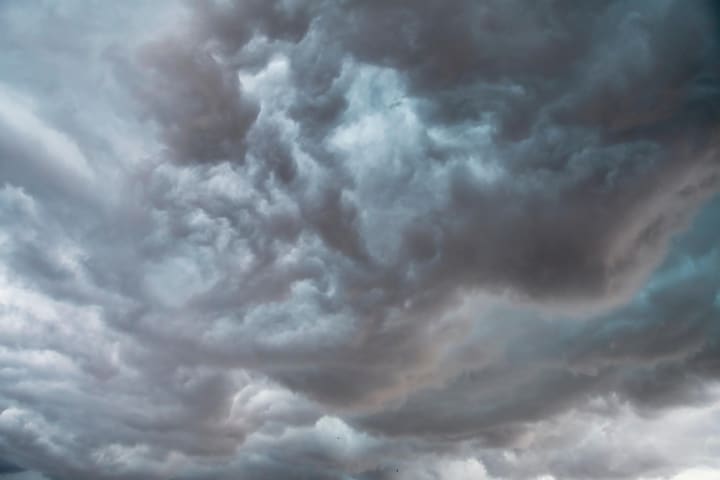
No relationship begins with the expectation of betrayal or disappointment.
People enter love with hope — the belief that connection will be enough to carry them through anything.
But time has a way of exposing cracks that were once invisible.
Miscommunication turns into silence. Small misunderstandings grow into distance.

One wrong decision — spoken words that cannot be taken back or actions that break trust — can feel like a storm tearing through something once peaceful.
In those moments, many people believe the relationship is over. And sometimes, walking away is the healthiest choice.
But there are rare situations where both individuals pause and ask a deeper question:
“Is there something here worth rebuilding?”
The Weight of Regret

Regret is one of the hardest emotions to carry.
It forces people to face versions of themselves they wish they had never been — careless, distant, selfish, or afraid.
Yet regret can also be the beginning of change.

True reconciliation doesn’t start with promises or dramatic gestures. It starts with accountability.
Honest conversations replace defensiveness. Silence gives way to vulnerability.
Apologies become meaningful only when followed by consistent actions.
Growth is slow and uncomfortable.
It requires patience from both sides — one person learning to rebuild trust, and the other learning to forgive without losing their sense of self-respect.
Love that survives storms does not pretend the damage never happened.
It acknowledges the scars and chooses to learn from them.
Loyalty Is Not Blindness

There is a common misconception that loyalty means tolerating anything.
In reality, healthy loyalty is rooted in mutual respect and shared commitment to becoming better people.
During difficult times, loyalty may look like:
Setting clear boundaries instead of avoiding conflict
Choosing honest conversations over silent resentment
Allowing space for personal change instead of demanding instant perfection.
Loyalty is not about ignoring pain —
it is about believing that transformation is possible when both individuals are willing to do the work.
Love That Evolves With Time
The love that emerges after hardship often feels different from the love that existed before.
It is less naive, but more intentional. Less dramatic, but more resilient.
Shared experiences — both joyful and painful — create a deeper understanding between two people.
They learn how to communicate better.
They recognize each other’s triggers and vulnerabilities.
They celebrate growth rather than expecting perfection.
Over time, what once felt like a breaking point becomes a turning point — a reminder of how far they have come and how much stronger they have become together.
This kind of love is not defined by grand romantic gestures. It is found in small, consistent acts:
Checking in during stressful days
Keeping promises, even minor ones
Choosing kindness during disagreements
Supporting each other’s individual goals and healing journeys
Still Standing After the Storm

Not every relationship survives betrayal or hardship, and that is okay.
Walking away can be an act of courage and self-respect.
But for those rare bonds that do endure, the journey is rarely glamorous.
It is messy, emotional, and filled with lessons that reshape both people involved.
In the end, love that withstands time and betrayal is not about forgetting the past — it is about transforming it into wisdom.
It is about two imperfect individuals choosing growth over resentment, honesty over fear, and commitment over convenience.
The storm may leave scars, but it can also reveal strength that was never visible before.
And sometimes, when the skies finally clear, two people look at each other and realize something remarkable:
They are still here — not because love was easy, but because it was strong enough to change, to heal, and to endure.
About the Creator
Keep reading
More stories from writers in Marriage and other communities.
Love Can’t Wait: The Real Story Behind Last-minute 2026 Weddings
There’s a quiet myth around weddings that everything must be planned years in advance. Twelve months for the venue, six months for suppliers, endless spreadsheets, and a countdown that feels more stressful than romantic. But Last-minute 2026 weddings are gently breaking that myth—and doing it beautifully.
By Andrew Mile3 days ago in Marriage



Comments
There are no comments for this story
Be the first to respond and start the conversation.