
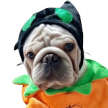

Did you know half of all dogs around the world carry extra weight?
This fact might surprise you, and with good reason too. Running with your dog offers a great fitness solution for both you and your furry companion. Your dog needs to reach about 1.5 years of age before starting a running program because their bones still develop until then.
Running does more than just keep you both fit. It helps reduce anxiety, eases boredom, and builds a stronger connection with your four-legged friend. We’ll show you everything from picking the right gear to understanding your dog’s exercise limits.
In this piece, you’ll learn to turn your daily walks into fun running sessions. We’ll cover equipment selection and help you create an eco-friendly routine that suits both you and your dog. Let’s begin this adventure together!
Understanding Your Dog’s Running Potential
Dogs aren’t all built the same way for running. My labrador loves sprinting next to me, but my neighbor’s bulldog gets tired after a few blocks. Let me tell you what makes some dogs better running buddies than others.
Natural runners: Which breeds excel at running
The dog world has many natural athletes that love long physical activity. Border Collies, Australian Shepherds, and Cattle Dogs were bred to work all day on farms and mountains. These dogs cover amazing distances. Border Collies stand out with their endless energy and athletic ability. They’re even smarter than most 5-year-old kids. Huskies and Malamutes are great at distance running because they were bred to pull sleds hundreds of miles in freezing weather. On top of that, hunting breeds are amazing runners:
Vizslas: These super athletic dogs have speed and stamina
Weimaraners: These high-energy hunting dogs love to run
German Shorthaired Pointers: They handle long distances easily
Rhodesian Ridgebacks: These dogs once hunted lions in Africa and can run for miles
Physical limitations to consider
Your dog’s age matters before starting any running routine. Young puppies can hurt their developing joints if they work too hard. Wait until their growth plates start to close. Small breeds can start running longer distances at 9 months, medium breeds at 10-11 months, large breeds at 12-14 months, and giant breeds need to wait until 18-24 months.
Short-nosed breeds like Boston Terriers, Pugs, and English Bulldogs often have trouble breathing during exercise. These dogs can’t cool down quickly and might get too hot. Small or toy breeds with short legs might not keep up with jogging.
Dogs that are older or have arthritis, heart disease, or weight issues might not run well. Take your dog to the vet before starting any running program to check for health issues.
Personality traits that make good running companions
Good running partners need more than just physical strength. Dogs with lots of energy, smarts, and trainability make great running buddies. They should want to please you, follow commands, and stay focused even with distractions around.
Some dogs with the right physical traits might not enjoy running. They might chase after wildlife or get distracted too easily. Others might rather sniff around or play than run steadily.
The best running partner has both physical ability and the right personality. They need stamina, good behavior, and should love running with you. Training and conditioning matter more than breed. Many dogs can become great running partners with the right preparation, no matter their background.
Q1. At what age can I start running with my dog? Generally, you should wait until your dog’s growth plates have closed before starting a running routine. This typically occurs between 12-24 months, depending on the breed size. Small breeds may be ready around 9 months, while larger breeds might need to wait until 18-24 months.
Q2. How do I prepare my dog for running? Start with basic obedience training, focusing on loose-leash walking and consistent positioning. Gradually introduce running gear and create positive associations with it. Begin with short intervals of running during walks, slowly increasing duration as your dog builds stamina.
Q3. What gear do I need for running with my dog? Essential gear includes a hands-free leash system with a waist belt and bungee section, and a comfortable harness that fits your dog’s body type. For different seasons, consider portable water bottles, cooling vests for summer, and protective boots for winter running.
Q4. How can I build a sustainable running routine with my dog? Start with 2-3 short runs per week, gradually increasing distance over time. Balance running with play and exploration, allowing for sniff breaks and varied routes. Include rest days and monitor your dog for signs of fatigue or overtraining.
Q5. How do I handle distractions during runs with my dog? Identify specific triggers that distract your dog and work on desensitization. Carry high-value treats to reward good behavior when passing triggers. Establish commands for slowing down or stopping, and practice these during your runs. Remember to be patient and consistent in your training approach.
About the Creator
Peter Ahn
DoggyZine.com provides unique articles. Health, Behavior, Life Style, Nutrition, Toys and Training for dog owners.
The Summer I Was Chosen by a Northern Mockingbird
During the long, suspended days of the pandemic, a wild mockingbird began visiting my driveway and chose me, again and again. What started as a strange encounter became a brief, meaningful connection that I still carry with me.
By Erica Roberts 15 days ago in Petlife
When the night falls silent, my dog starts barking.
When night finally settles in, I expect silence. The lights are off, the phone is charging, and the world feels like it’s holding its breath. This is the moment when everything is supposed to slow down. But just when the silence feels complete, it does.
By Paw Planet 2 days ago in Petlife
The Devil's Triangle
The sails ruffled in the breeze as we cruised along. The Sea Breeze was a mid-size catamaran that sailed out of Royal Naval Dockyard in Bermuda. We had booked this trip weeks in advance and were now looking at our Captain, Spike and two boat hands. Paddy and Wilson seemed like nice guys, joking around with the passengers and telling us some stories about Bermuda that only locals would know. Their island accents sounded almost British but they were pleasant to listen to.
By Barbara Gode Wilesabout 19 hours ago in Fiction




Comments
There are no comments for this story
Be the first to respond and start the conversation.