
Photo Editing Mastery: Transform Images Like a Pro
Have you ever snapped a photo that seemed perfect at first glance but later felt it needed a bit of magic? You're not alone.


Photo editing is the secret sauce that transforms ordinary pictures into stunning visuals. It's not just about adjusting brightness or contrast; it's about bringing your vision to life. Imagine being able to tweak every detail until it matches the image in your head.
Whether you're a hobbyist or a professional, mastering photo editing can elevate your creativity and storytelling skills. Curious about how you can enhance your photos and capture attention? Let’s dive into the world of photo editing and discover techniques that will make your images shine.
Essential Tools
Photo editing transforms ordinary images into stunning visuals. Essential tools make this process smooth and effective. Knowing what tools to use can greatly enhance your editing skills. From software to hardware, each element plays a crucial role. Let's explore these essential tools in detail.
Software Selection
Choosing the right software is vital for photo editing. Adobe Photoshop is popular for its advanced features. It offers layers, filters, and a range of editing options. Lightroom is perfect for adjusting colors and tones. It simplifies workflows with its user-friendly interface. GIMP is a free alternative with powerful tools. It's great for beginners on a budget.
Each software has unique features. Please consider your needs before making a decision. Research and trial versions help find the perfect fit.
Hardware Requirements
Effective photo editing requires specific hardware. A fast processor speeds up tasks. More RAM ensures smooth operations with large files. High-resolution monitors display images accurately. They provide precise color representation. Graphics cards enhance performance, especially with intensive tasks.
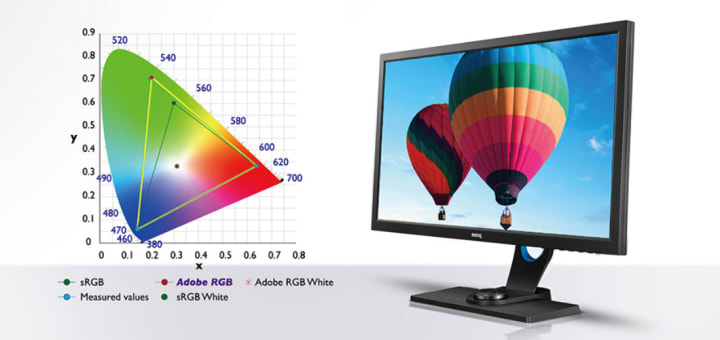
Investing in quality hardware improves editing efficiency. It reduces frustration and maximizes creativity. Regular updates keep your system optimized.
Basic Techniques
Photo editing can transform ordinary pictures into stunning images. Understanding basic techniques is essential for beginners. These techniques enhance photos effectively. They are simple yet powerful tools. Let's explore these foundational skills.
Cropping And Resizing
Cropping helps focus on the main subject. It removes distractions from the background. This technique also changes the photo's composition. Resizing adjusts the photo's dimensions. It ensures the image fits specific platforms. For websites, resizing improves loading speed. Always keep the aspect ratio intact. This prevents distortion in the image.
Adjusting Brightness And Contrast
Brightness changes the light levels in a photo. It makes dark images clearer. Contrast affects the difference between light and dark areas. Higher contrast makes colors pop. Lower contrast creates a softer look. Balancing these elements is key. It enhances the overall mood of the photo.
Color Correction
Color correction ensures accurate tones in images. It adjusts colors to look natural. This technique removes color casts. Sometimes photos appear too blue or yellow. Proper correction fixes these issues. It also enhances specific colors. This brings vibrancy to the photo. Color correction can make a huge difference.
Advanced Techniques
Explore advanced photo editing techniques to enhance your images and bring out their full potential. Adjust lighting, remove unwanted objects, and apply filters for a professional touch. These methods can transform ordinary photos into stunning visuals, making them stand out.
Photo editing has evolved into an art form that goes beyond basic adjustments. Advanced techniques can transform a good photo into a stunning masterpiece. These techniques require a deeper understanding and practice, but they open up a world of creative possibilities for you.
Layer Management
Managing layers effectively is crucial in advanced photo editing. Layers allow you to manipulate different elements of your image separately. Think of layers as transparent sheets stacked on top of your image. Each sheet can hold a different part of your photo or an adjustment. Organizing layers properly makes editing more efficient and less chaotic. Please make sure that you name your layers clearly to avoid confusion. Grouping related layers can also help streamline your workflow. This way, you can edit non-destructively, meaning your original image remains untouched.
Masking And Compositing
Masking is a powerful technique used to hide or reveal parts of a layer. It allows for precision editing without permanently erasing content. You can use masks to blend different images seamlessly, creating composites that look natural. Compositing involves merging multiple images into a single image. It’s essential for creating surreal or fantasy scenes. For instance, you can place a person in a completely different environment. The key is to ensure that lighting and perspective match across images.
Retouching And Healing
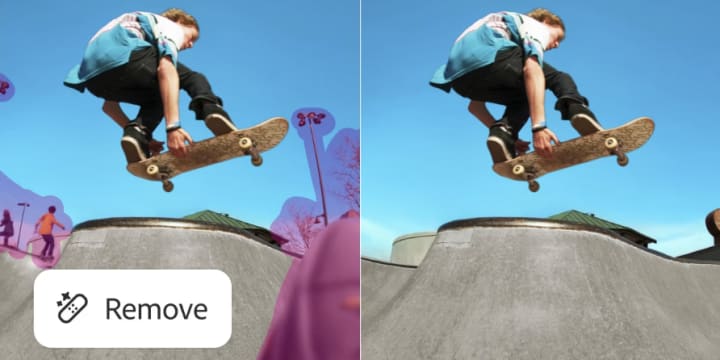
Retouching enhances the subject of your photos. It involves refining details like skin, hair, or textures. The healing brush is a popular tool for removing blemishes or unwanted objects. It samples from surrounding areas to blend imperfections naturally. But retouching isn’t just about correction; it’s about enhancing. Subtle adjustments can make your subject look polished yet realistic. Overdoing it can lead to an unnatural look, so always aim for balance. Have you ever wondered why some photos instantly catch your eye? Advanced techniques often hold the key. By mastering these, you can elevate your photo editing skills and create images that truly captivate.
Creative Effects
Photo editing brings creativity to life through unique effects. Filters can transform images into vibrant works of art. Simple adjustments like brightness or contrast add depth and interest to photos.
Photo editing is no longer just about touching up imperfections or enhancing colors. It's an art form that allows you to transform ordinary images into extraordinary works of visual storytelling. Creative effects are your secret weapon in this process. They can add mood, drama, and flair to your photos, capturing attention and sparking imagination. Whether you're a seasoned photographer or a newbie, experimenting with creative effects can elevate your images to new heights.
Adding Filters
Filters are like magic wands for your photos. They can instantly change the vibe of an image. Are you looking for a vintage feel or a modern pop? Filters can do that with just a click. Think about the mood you want to convey. A warm filter can evoke nostalgia, while a cool one might suggest tranquility. Next time you edit, try out different filters. See how they change the story your photo tells. You'll be surprised at the emotions they can elicit.
Creating Shadows And Highlights
Shadows and highlights bring depth to your images. They can bring a flat photo to life with dimension. When you're editing, pay attention to the light. Enhancing shadows can add drama, while boosting highlights can emphasize details. Have you ever noticed how shadows can create a sense of mystery? Or how highlights can draw your eye to a focal point? Play with these elements and watch your photos transform.
Special Effects And Textures
Special effects and textures are the finishing touches on your photo editing cake. They're what make your images stand out in a sea of visuals. Textures can add a tactile quality, making digital photos feel almost real. Try adding grain for a film-like effect or a watercolor texture for an artistic touch. And special effects? Think of them as the cherry on top. Whether you're adding a burst of light or a splash of color, these effects can be the perfect finishing touch. Consider what story you want your photo to tell. How can textures and effects enhance that narrative? Experiment and let your creativity shine.
Workflow Optimization
Photo editing can be time-consuming without a proper workflow. Streamlining the process saves time and maintains quality. Workflow optimization helps photographers edit efficiently and consistently. It involves using tools and techniques that enhance productivity.
Preset Utilization
Presets are pre-defined settings for photo adjustments. They simplify repetitive tasks and ensure consistency across images. Using presets speeds up the editing process, especially for large projects. You can select presets that match your style and apply them instantly.
Batch Processing
Batch processing involves editing multiple photos simultaneously. This technique enables the application of similar edits to multiple images. It reduces manual effort and saves time. Software like Lightroom allows easy batch processing with just a few clicks.
File Management
Effective file management keeps your workspace organized. Use folders to categorize images by date or project. Consistent naming conventions aid in quick retrieval. Backup files regularly to prevent data loss. Proper management ensures smooth workflow and easy access.
Mastering Color Grading
Color grading enhances photos by adjusting colors to create mood. It brings harmony and balance to images. This technique transforms ordinary photos into compelling visual stories.
Mastering color grading is a pivotal skill in photo editing that can dramatically transform your images. It allows you to control the mood and emotion of a photograph through subtle adjustments. It's like having a painter’s palette at your fingertips, enabling you to elevate your photos to a professional level with the right color balance and tone.
Understanding Color Theory
Before diving into color grading, grasping the basics of color theory is essential. It teaches you how colors interact with each other, helping you create harmony in your images. Think about how a warm sunset can create a cozy atmosphere or how cool blues evoke calmness. Color theory is not just about knowing the color wheel. It’s about understanding how different colors can tell a story. Try experimenting with complementary colors to see how they make your subject pop. Or use analogous colors to create a more cohesive look.
Using Luts
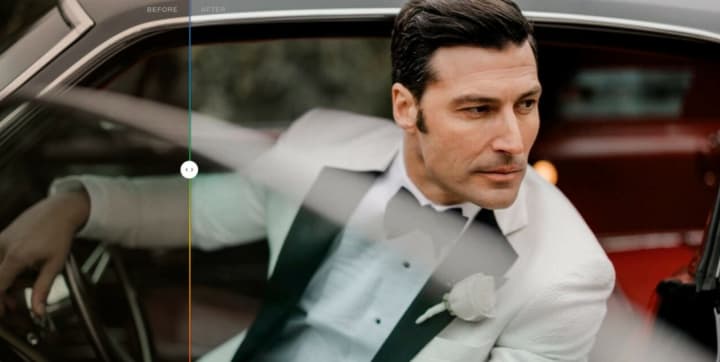
LUTs, or Look-Up Tables, are powerful tools in color grading that can save you time and effort. They are preset color profiles that can instantly change the look of your images. Imagine having a favorite filter that you can apply consistently across your work. Using LUTs doesn’t mean losing creativity. On the contrary, they can be a starting point for your edits. Adjust them to match your vision and make your photos stand out. Think of LUTs as a shortcut to achieving complex color grades without starting from scratch every time.
Achieving Consistency
Consistency in color grading is crucial when working on a series of images. It ensures that your photos appear cohesive, creating a unified portfolio. Have you ever noticed how a mismatched color tone can disrupt the flow of a photo album? To achieve consistency, could you develop a signature style that reflects your aesthetic? This could be a specific warmth, contrast, or tint that you apply consistently. Keep a reference image handy to compare your edits and maintain uniformity across your work. Mastering color grading requires practice and patience. What challenges have you faced while trying to achieve the perfect color balance? Share your experiences and tips in the comments below!
Final Touches
The final touches in photo editing make your image stand out. This stage is crucial for achieving a polished look. It involves refining the details and ensuring everything is perfect. Let's explore some key techniques that enhance your photos.
Sharpening Techniques
Sharpening enhances the details in your photo. It adds clarity and makes edges crisp. Use tools like Unsharp Mask or Smart Sharpen. Adjust the radius and amount for optimal results. Be careful not to over-sharpen. This can create unnatural halos around objects.
Noise Reduction
Noise can ruin a photo's quality. It appears as grainy textures or speckles. Use noise reduction tools to smooth areas affected by noise. Focus on the shadows and darker regions. Preserve detail while reducing noise. Balance is key to maintaining photo realism.
Export Settings
Proper export settings are vital for the final touches. Choose the correct format, such as JPEG or PNG. Adjust the quality settings for best results. Ensure the color profile is suitable for your display. Optimizing resolution and dimensions is crucial. This ensures your photo looks excellent on any device.
Staying Updated
Photo editing is a dynamic field. Staying up to date is crucial for anyone who wants to excel. This involves keeping an eye on trends, utilizing learning resources, and engaging with the community.
Trends In Photo Editing
Photo editing trends change often. Keeping up with them is important. The rise of AI-powered tools is notable. These tools offer smart features for quick edits. Enhanced filters and presets are popular among users. Minimalistic styles are gaining attention. They focus on simplicity and elegance. Understanding these trends can improve your skills and creativity.
Learning Resources
Learning resources are everywhere. Online courses are a great way to learn. Websites like Skillshare and Udemy offer courses for different levels. YouTube channels provide free tutorials. Books and eBooks cover advanced techniques. Blogs share tips and tricks regularly. These resources help you stay informed and improve your skills.
Community Engagement
I think engaging with the community is beneficial. Online forums provide a platform for sharing ideas. Social media groups connect you with peers. Participating in photo editing challenges can be a fun experience. It also enhances your skills. Networking with professionals opens new opportunities. Community engagement helps you learn from others. It fosters growth and creativity in your work.
Conclusion
Photo editing opens new creative possibilities for everyone. It helps enhance photos with simple tools. Many apps offer easy-to-use features for stunning results. Experiment with different styles and effects to find your unique touch. Keep learning new techniques to improve your skills.
With practice, editing becomes faster and more enjoyable. Could you share your edited photos with friends and family? They will appreciate your creativity and the effort you put into it. Remember, photo editing is about expressing your vision. Enjoy the process and let your imagination shine.
About the Creator
Path
Path is a team of 300+ expert image editors and designers offering pro Photoshop services for e-commerce, product photographers, and SMBs worldwide. Learn more: https://pathedits.com/
Keep reading
More stories from Path and writers in Photography and other communities.
What Is Product Photography: Capturing Stunning Visuals
Product photography is taking pictures of items for selling. These items can be anything. For example, clothes, books, food, or electronics. The main goal is to make the product look good. These pictures are often used in ads or online stores.
By Path7 months ago in Photography
Time to change your life.
Is it even possible for you to change your life? A lot of people, more than there should be, are unhappy with their lives. But what are they doing about it? Usually nothing. People talk about how shitty their lives are and want change, but are they not taking the actions to change?
By Jen Phillips3 days ago in Humans




Comments
There are no comments for this story
Be the first to respond and start the conversation.