
On Our Original Natives
The Land That Remembers Us

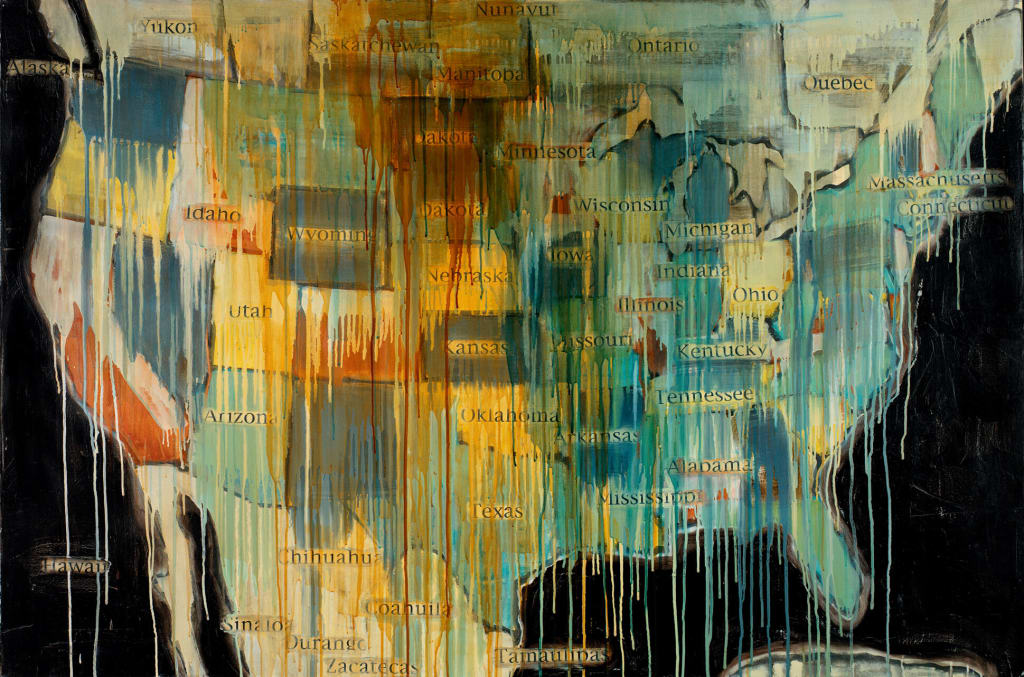
On Our Original Natives
Before borders learned how to cut,
before paper decided who belonged,
there were people
who knew the land by its breath.
******************************
They did not “own” the earth—
they were in conversation with it.
Rivers were not resources.
Mountains were not obstacles.
Animals were not beneath.
******************************
Everything had a role.
Everything had a name
that meant relationship, not possession.
******************************
They mapped the world
without flattening it.
Time was circular.
History was carried in hands,
in songs,
in the way fire was kept alive
without burning the house down.
******************************
They understood something we forgot in a rush:
that survival without reverence
is just a longer way to disappear.
******************************
When they were told to forget—
their language,
their ceremonies,
their way of knowing—
the land kept remembering for them.
******************************
Bones still know the songs.
The soil still responds to the old footsteps.
The wind still pronounces names
we stopped teaching our mouths to say.
******************************
This is not nostalgia.
This is unfinished truth.
******************************
Because “original” does not mean past.
It means foundational.
It means the blueprint is still there,
waiting for us to stop pretending
we invented belonging.
******************************
The original natives were not perfect—
they were human.
But they knew something holy:
******************************
That power without reciprocity
turns into hunger.
That progress without listening
becomes erasure.
That land does not need conquering—
it needs caretaking.
*****************************
To honor them is not to romanticize.
It is to repair.
To learn how to stand again
without taking more than we give.
To speak the earth’s name
with consent.
******************************
And maybe—
just maybe—
to remember that the future
does not begin ahead of us,
but beneath our feet.
—
Flower InBloom 🌿
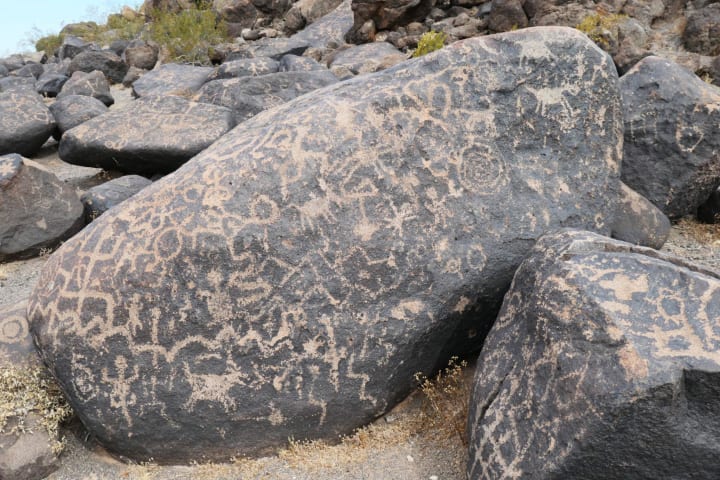
From the Land’s Voice
I was here before you learned to draw lines.
Before you learned to measure worth
by what could be taken.
******************************
I fed you
without asking for ownership.
I held your dead
without charging rent.
I taught you seasons
so you would not panic at change.
******************************
You learned my rhythms once—
how to burn without destroying,
how to harvest without stripping bone,
how to listen for rain
instead of demanding it.
******************************
When you forgot me,
I did not leave.
I learned how to wait.
*****************************
I kept your original teachers
in the roots,
in the stones,
in the way water still curves
around what refuses to move.
******************************
I do not need you to worship me.
I need you to remember
how to stand without conquest.
******************************
Do not ask me what I can give you.
Ask me what I need
to keep giving at all.
******************************
I am not silent.
You just stopped listening.
—
Flower InBloom 🌿
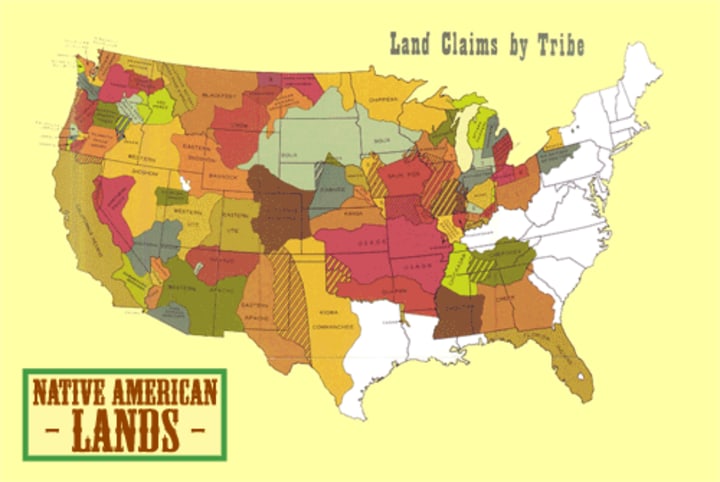
A Listening Vow
I vow to listen before I name.
I vow to learn whose ground I stand on
without claiming it as mine.
<---------------------------->
I vow to treat land as relation,
not backdrop.
As elder,
not inventory.
<---------------------------->
I vow to receive what was preserved
through loss
with humility,
not entitlement.
<---------------------------->
I vow to let remembrance
change my behavior—
not just my language.
<---------------------------->
I vow to walk as a guest
who knows gratitude
is a responsibility.
—
— Flower InBloom 🌿
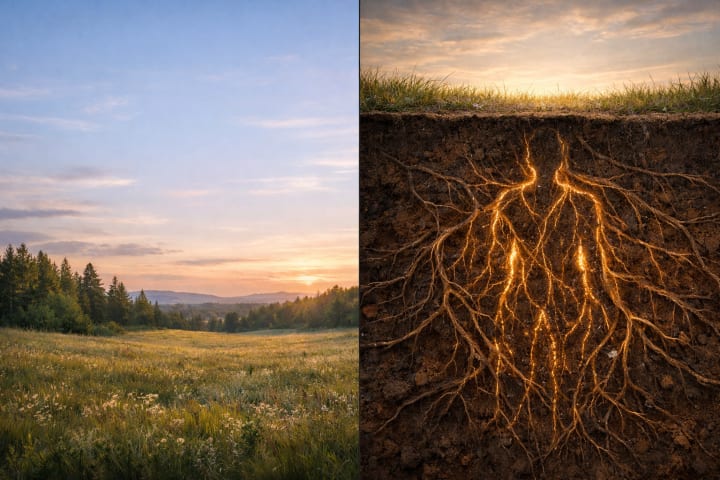
One-Page Teaching — Remembering the Original Teachers
This teaching is not about guilt.
It is about orientation.
What “Original” Means
Original does not mean outdated.
It means rooted.
It means systems of knowing that sustained life
long before extraction was confused with success.
..............................:..............................
Indigenous ways of relating to land
were not primitive—
they were precise, adaptive, and reciprocal.
..............................:..............................
What Was Disrupted
Colonization did not only take land.
It disrupted relationship:
- Land became property
- Time became linear and urgent
- Knowledge became something to own
- Progress became something that could ignore consequence
This rupture lives on
not only in policy,
but in how we move through the world.
..............................:.............................
What Remains Available
The land still teaches:
- Balance over domination
- Cycles over hoarding
- Stewardship over control
- Enough over endless
These are not metaphors.
They are survival skills.
..............................:..............................
What Listening Requires Now
Listening is not aesthetic appreciation.
It is behavioral change.
..............................:..............................
Listening looks like:
- Learning whose land you inhabit
- Supporting Indigenous sovereignty, not symbolism
- Slowing decisions that affect ecosystems
- Valuing caretaking as intelligence
- Letting “progress” be questioned
The Quiet Truth
We do not need to return to the past.
We need to re-enter relationship.
................................:.............................
The original teachers were never erased—
only ignored.
..............................:..............................
And listening is still possible.
—
Flower InBloom 🌿
>>>>>>>>>>>>>>>>>>>>>>>>>>>
<<<<<<<<<<<<<<<<<<<<<<<<<<<
About the Creator
Flower InBloom
I write from lived truth, where healing meets awareness and spirituality stays grounded in real life. These words are an offering, not instruction — a mirror for those returning to themselves.
— Flower InBloom
Keep reading
More stories from Flower InBloom and writers in Poets and other communities.
If A Robot Made The Universe
If a robot created the universe. Well, how could that be? We don’t know what created life, the universe, and everything – so it’s as possible as anything else. Just because we’re uncomfortable with the idea, doesn’t make it any less probable.
By Gabriel Shames2 days ago in Poets

Comments
There are no comments for this story
Be the first to respond and start the conversation.