
What is bigender
Beyond the Binary: Understanding Bigender Identity

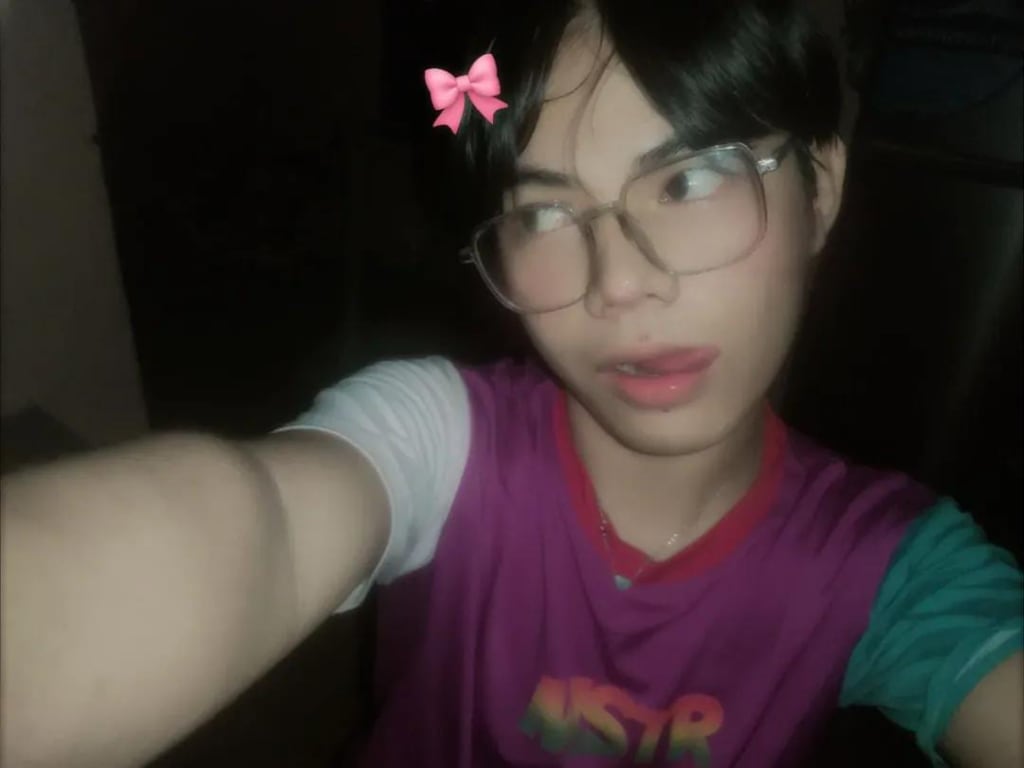
In the vibrant tapestry of human experience, gender is far more diverse than a simple choice between two boxes. For many, identity isn't a fixed point on a map, but a landscape they travel across. One such identity that beautifully challenges the traditional male/female binary is bigender. But what exactly does it mean to be bigender?
At its core, bigender is a gender identity under the non-binary and transgender umbrellas. It describes a person who experiences two distinct gender identities. These identities can be experienced simultaneously, or they can alternate over time. Crucially, these two genders are not limited to just "man" and "woman." A bigender person might identify as both man and woman, but they could also experience combinations like woman and non-binary, man and agender, or two non-binary identities. The key is the experience of two hence the prefix "bi."
The Lived Experience: Fluidity and Expression
Imagine gender as a spectrum of colors. While some people feel they are a steady, solid blue or pink, a bigender person might feel they are vividly both blue and pink, creating a unique purple. Or sometimes, they might feel more blue, and on other days, more pink. This is where the concept of gender fluidity often intersects with bigender identity.

The experience is deeply personal and varies widely:
Simultaneous Experience: Feeling both genders at once, an integrated blend of masculine and feminine energies, characteristics, or feelings.
Alternating Experience (Genderfluid): Shifting between two gender states. One day, an individual might feel and present predominantly masculine, and another day, predominantly feminine. This shift can be daily, weekly, or linked to context or mood.
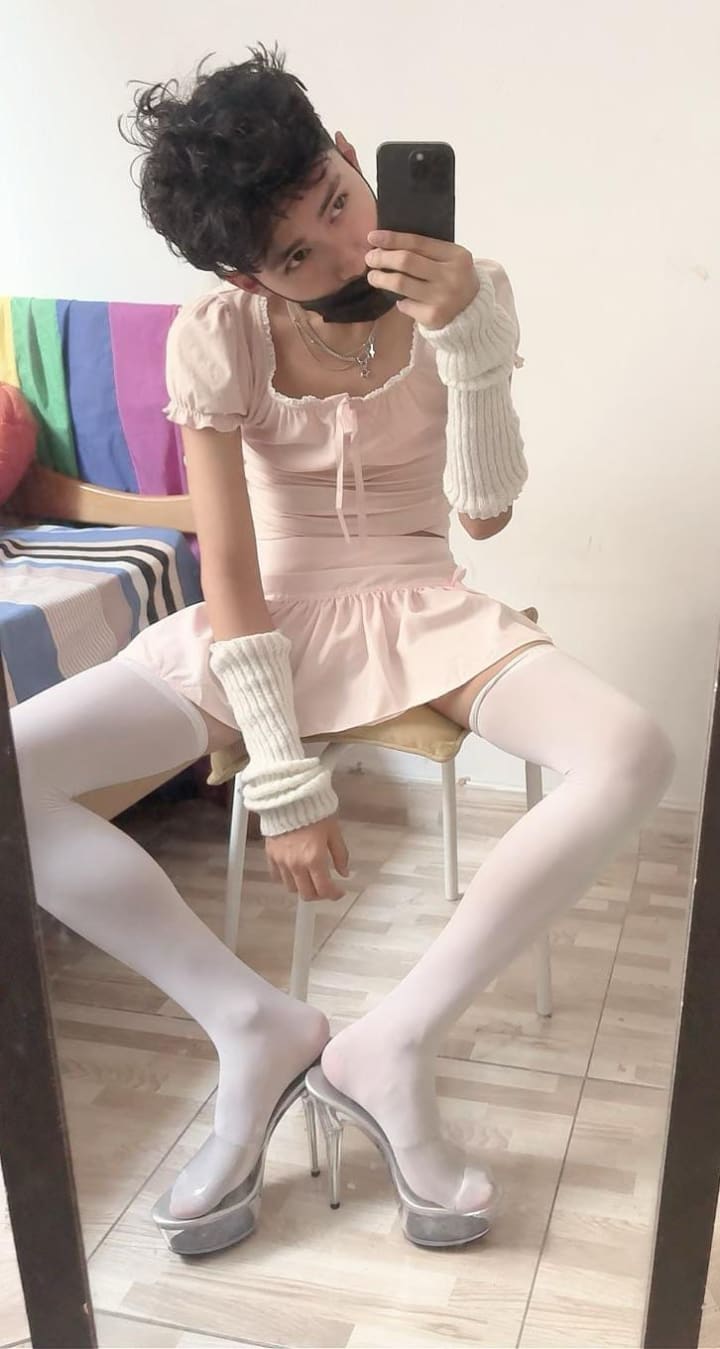
Expression vs. Identity: It's vital to distinguish between gender identity (internal sense of self) and gender expression (outward presentation). A bigender person may express themselves in a way that aligns with one gender, both, or neither, regardless of their internal feeling. Clothing, pronouns, and mannerisms are personal choices that may or may not reflect the current internal state.
Pronouns and Social Transition
There is no one way to be bigender, and this extends to pronouns. A bigender person might use:
- Binary pronouns (he/him and she/her).
- Alternate between pronouns depending on how they feel.
- Use exclusively gender-neutral pronouns (they/them).
- Use any combination of the above, including neopronouns (e.g., xe/xem).
The best practice is always to ask respectfully. Listening to and using a person's stated pronouns is a fundamental act of validation and respect.

Social transition the process of living publicly as one's true gender is also unique. For some bigender people, this might mean a fluid presentation. For others, it might involve a permanent, blended expression. Some may seek medical transition options (like hormone therapy or surgery) to align their body with one or both aspects of their identity, while others may not. Every journey is individual.
Bigender vs. Other Non-Binary Identities
Understanding bigender is easier when seen in relation to other identities:
Bigender vs. Genderfluid: All bigender people could be described as genderfluid if their experience alternates. However, not all genderfluid people are bigender, as they may flow between more than two genders or between genders not limited to two.

Bigender vs. Androgyne: Androgyne typically refers to a specific, blended gender identity that exists between male and female or is a mix of both. Bigender, however, often involves experiencing two distinct genders, either separately or together.
Bigender vs. Pangender: Pangender is an identity encompassing all or many gender identities, not just two.
Why This Understanding Matters
In a world still largely structured around a gender binary, bigender and non-binary people face significant challenges, including misunderstanding, invalidation ("it's just a phase"), and discrimination. Misgendering referring to someone with incorrect pronouns or gendered terms is a common and painful experience.

Affirmation is powerful. Using correct names and pronouns, respecting fluid expressions without judgment, and advocating for inclusive spaces (like gender-neutral bathrooms) are concrete ways to offer support. Educating ourselves moves us from tolerance to genuine acceptance.
A Journey of Self-Discovery
For anyone exploring their gender, know that your identity is valid. Discovering you are bigender is a personal journey of introspection. It may involve questioning, experimenting with presentation and pronouns, and seeking community. Resources like non-binary support groups, LGBTQ+ centers, and affirming therapists can be invaluable.

The experience of being bigender is a powerful testament to the diversity of the human spirit. It reminds us that identity is not a simple checkbox but a rich, complex, and sometimes fluid experience. By embracing this complexity, we create a world where everyone has the freedom to explore and declare who they are, in all their multifaceted truth.
Ultimately, understanding bigender identity is about more than definitions it's about recognizing the profound truth that for many, the self is not singular, but a beautiful, dynamic dialogue between genders. It's a celebration of the fact that we, as people, can contain multitudes.
About the Creator
David Femboy
David here. Sharing my authentic femboy journey the outfits, the lessons, the life. For anyone exploring gender expression. Let’s redefine masculinity together. 💖
Keep reading
More stories from David Femboy and writers in Pride and other communities.
What is agender
In a world that often views gender as a simple binary checkbox male or female the lived experiences of countless individuals tell a more complex and beautiful story. One identity that is central to expanding our understanding is agender. But what is agender, exactly? It’s more than just a label; it’s a profound experience of self that exists outside the conventional framework of gender altogether.
By David Femboyabout a month ago in Pride
Trouble at the Tea Leafing Café
The rain had started right around the time that Annie was buttering her second thick slice of homemade toast for breakfast, and hadn’t paused since. Not that anyone could tell. The windows of the café were fogged over, and with every seat filled with happy customers munching on fresh baked pastries or steaming bowls of the delicious soup of the day, it was hardly surprising. Annie looked around the room, finally taking a moment to breathe after the lunch time rush. Her old life already felt like a bad memory, a part of her history, always, but just that. History.
By Hannah Moore3 days ago in Fiction



Comments
There are no comments for this story
Be the first to respond and start the conversation.