
Animals You'll Never See At Zoo
The Rare, The Dangerous, and The Impossible to Keep

Zoos offer a fascinating glimpse into the world of wildlife, housing everything from lions and tigers to exotic birds and reptiles. However, not all animals can be kept in captivity. Some creatures are too rare, too dangerous, or simply impossible to maintain in an artificial environment. In this blog, we’ll explore some of the most incredible animals that you’ll never (or almost never) see in a zoo.
1. The Blue Whale – Too Big for Captivity
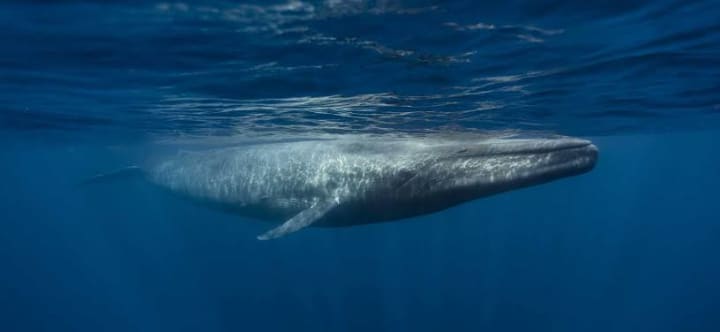
The blue whale (Balaenoptera musculus), the largest animal to have ever lived, is far too massive for any zoo or aquarium to accommodate. These gentle giants can grow up to 100 feet long and weigh over 200 tons. They require vast oceanic territories to survive, feeding on thousands of pounds of krill daily. Even the largest aquariums in the world lack the space and resources to house a creature of this magnitude.
2. The Giant Squid – A Deep-Sea Mystery
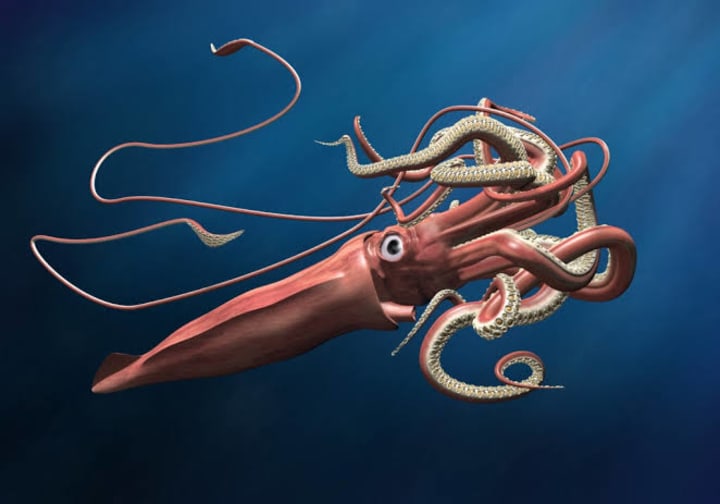
Giant squids (Architeuthis dux) are elusive deep-sea dwellers that remain one of the most mysterious creatures of the ocean. They live at extreme depths, making it nearly impossible to keep them alive in captivity. Unlike fish and other marine life, squids are highly sensitive to changes in pressure and temperature. The only glimpses we have of them come from rare deep-sea footage or specimens that have washed ashore.
3. The Saola – The Asian Unicorn
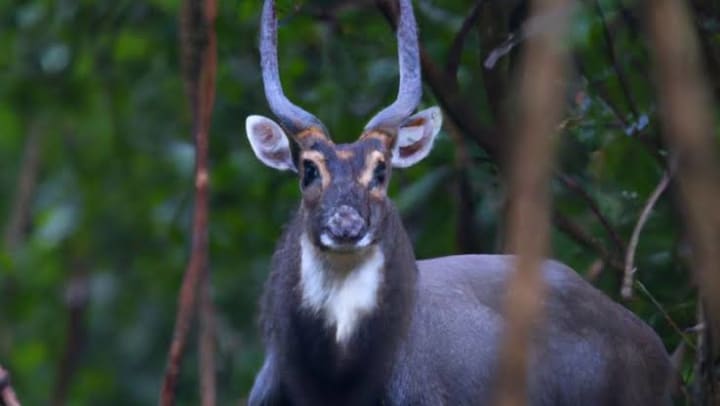
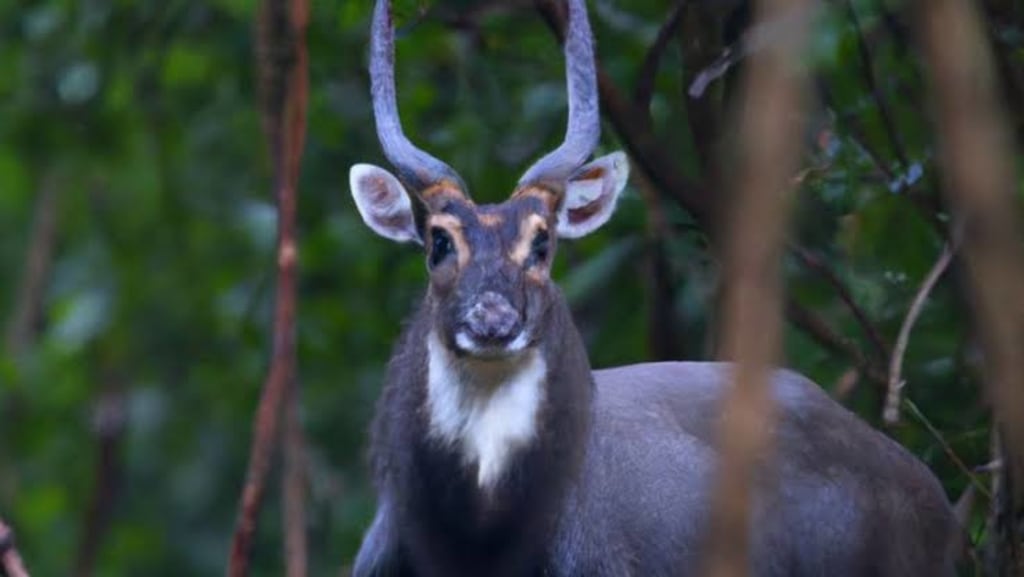
The saola (Pseudoryx nghetinhensis), also known as the "Asian unicorn," is one of the rarest and most elusive animals in the world. Discovered in 1992 in the dense forests of Vietnam and Laos, saolas are nearly impossible to find, let alone capture. Their numbers are critically low, and no zoo has ever successfully kept one alive. Conservation efforts focus on protecting their natural habitat rather than attempting to breed them in captivity.
4. The Great White Shark – The Apex Predator That Won't Survive in Tanks
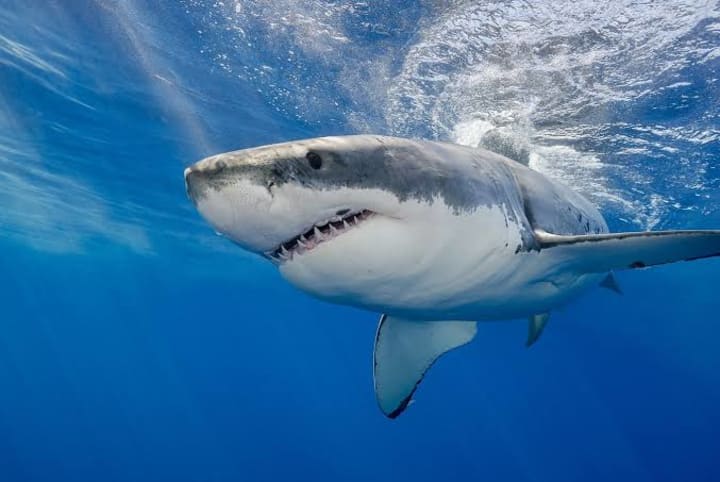
Great white sharks (Carcharodon carcharias) are often depicted in movies and documentaries, but they have never been successfully kept in captivity for long. Unlike other sharks, great whites require enormous territories to swim continuously. Attempts to house them in aquariums have failed, as they either refused to eat or became disoriented and injured themselves. Most sharks in aquariums are smaller, less migratory species.
5. The Okapi – A Rare and Difficult-to-Care-For Animal
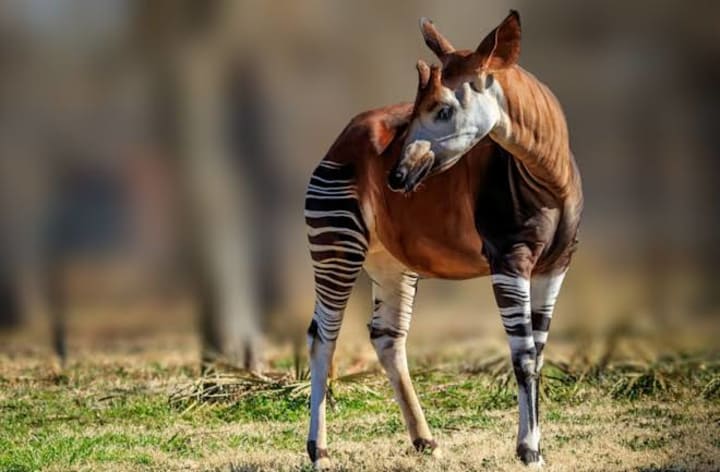
Okapis (Okapia johnstoni), often called the "forest giraffe," are incredibly rare and difficult to keep in captivity. Native to the dense rainforests of the Democratic Republic of the Congo, these shy creatures have specific dietary and environmental needs. While a handful of zoos have managed to house them, their extreme rarity and conservation status make them one of the hardest animals to see in captivity.
6. The Javan Rhino – On the Brink of Extinction
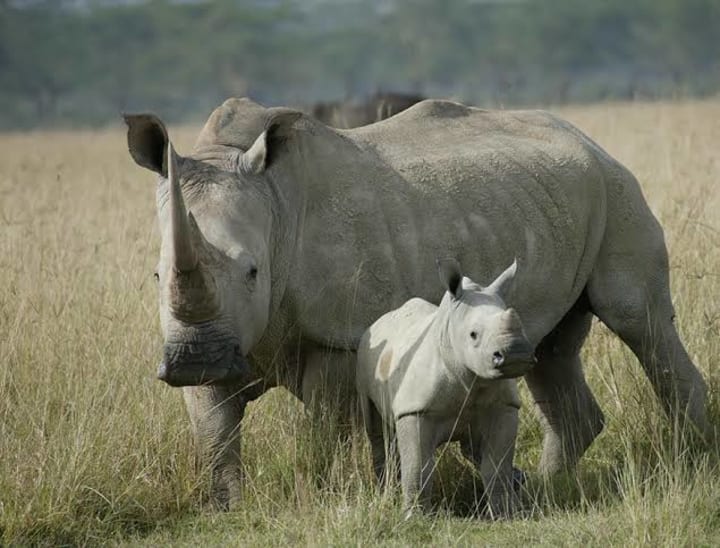
The Javan rhino (Rhinoceros sondaicus) is one of the most endangered animals on the planet, with fewer than 80 individuals remaining in the wild. These rhinos are so rare that none exist in captivity. The only viable population is in Ujung Kulon National Park in Indonesia, where conservationists work tirelessly to protect them. Due to their low numbers and sensitive nature, zoos focus on breeding other rhino species instead.
7. The Ivory-Billed Woodpecker – Possibly Extinct
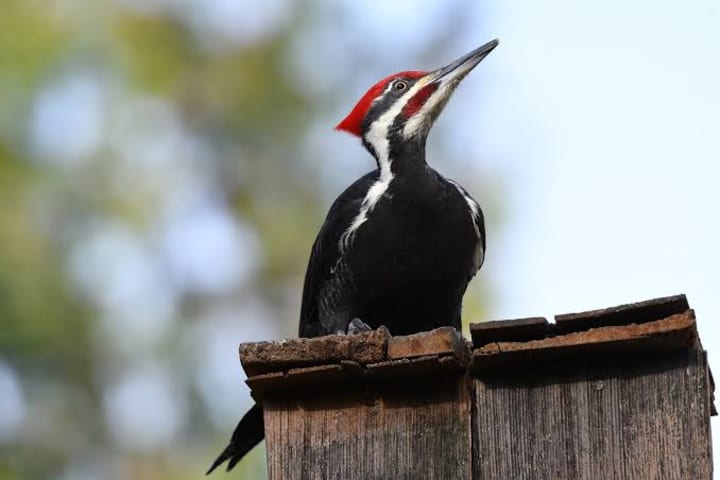
Once thought to be extinct, the ivory-billed woodpecker (Campephilus principalis) is one of the most mysterious birds in the world. Despite unconfirmed sightings, no concrete evidence of a surviving population exists. Even if some individuals remain, they would be nearly impossible to capture and care for in a zoo due to their habitat requirements and extreme rarity.
8. The Amazon River Dolphin – A Freshwater Enigma
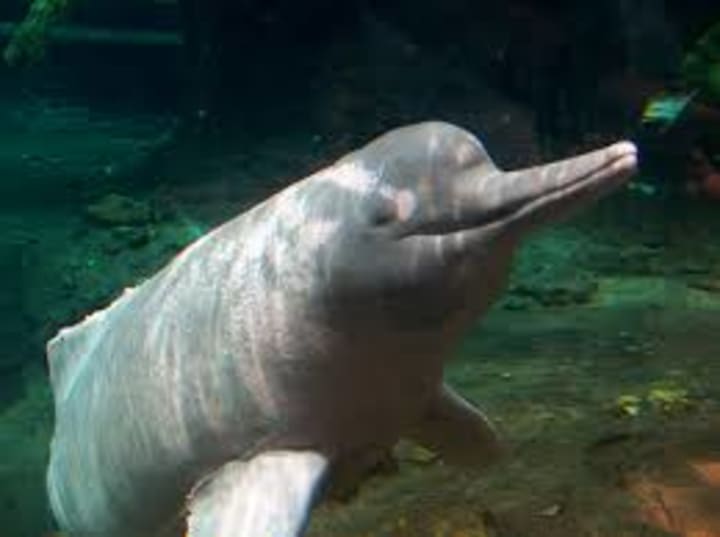
The Amazon river dolphin (Inia geoffrensis), also known as the pink river dolphin, is difficult to keep in captivity due to its specialized diet and sensitivity to human care. Most attempts to house them in aquariums have resulted in early deaths, making conservation efforts in their natural habitat a priority.
Conclusion
While zoos play a crucial role in conservation and education, some animals simply cannot thrive in captivity. Whether due to their size, behavior, or rarity, these creatures remain in the wild, protected by nature or conservation efforts. Instead of seeing them in enclosures, our best chance to appreciate them is through documentaries, research, and supporting conservation initiatives that protect their natural habitats.
Which of these animals surprised you the most? Let us know in the comments!
About the Creator
Keep reading
More stories from INFO INSIDER and writers in Proof and other communities.
11 Animals That Live Longer Than Humans
Humans are among the longest-living mammals, with an average lifespan of 70 to 80 years. However, several animals can live far longer, some even for centuries! From deep-sea dwellers to giant reptiles, these species have adapted to survive extreme conditions and slow aging processes.
By INFO INSIDER about a year ago in Proof
The Magic of the Shared Silence Drink
There’s something truly special about a cocktail that invites quiet connection. The Shared Silence drink is just that—a cocktail designed to be sipped slowly, side by side, where words fade and the moment speaks for itself. It’s a nod to those times when you don’t need to fill the air with chatter, just the gentle clink of glasses and the shared presence of company.
By Ava Mitchell5 days ago in Proof
Vintage Cocktails: A Journey Through Classic Bar Drinks
Step back in time and discover the charm of vintage cocktails. These classic bar drinks are more than just beverages; they’re a toast to the golden age of mixology when bartenders crafted drinks with elegance and care. Old school mixology celebrates tradition, simplicity, and the art of balancing flavors. Whether you’re a seasoned cocktail lover or a curious newcomer, exploring these traditional recipes will elevate your home bartending game and impress your friends.
By Anna Walker4 days ago in Proof




Comments
There are no comments for this story
Be the first to respond and start the conversation.