
Deep Rest Meditation: Finding Stillness Within

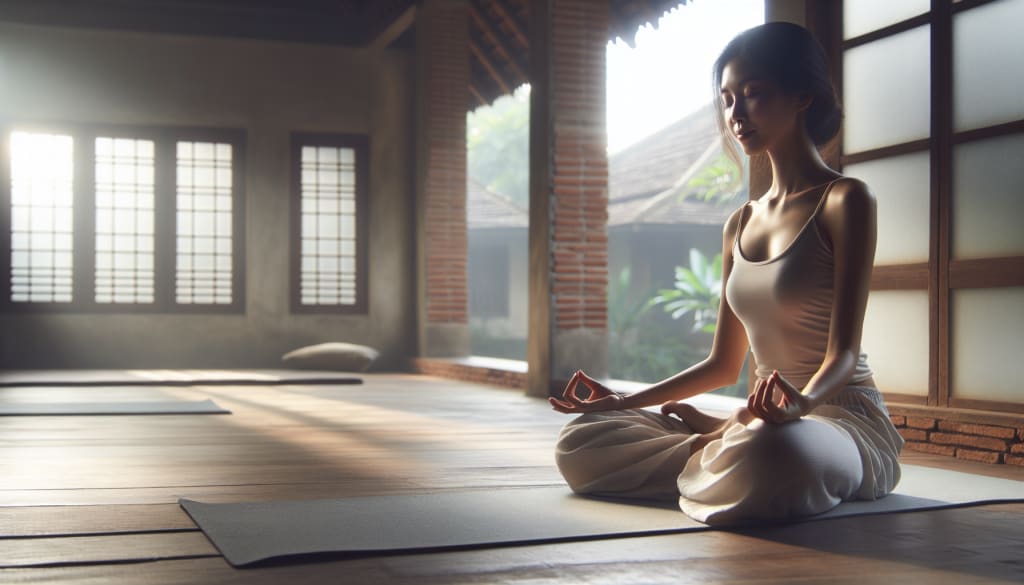
Deep rest meditation is a gentle practice that helps your body and mind release tension and enter a state of profound calm. It is different from regular meditation because it focuses on total relaxation and deep restoration. This practice invites you to slow down completely and rest deeply, which can improve sleep, reduce stress, and refresh your energy.
What is Deep Rest Meditation?
Deep rest meditation is a form of guided relaxation where you consciously let go of effort and allow your body to rest fully while your mind remains aware but calm. It often involves lying down in a comfortable position and tuning into subtle sensations of ease and softness inside you.
Benefits of Deep Rest Meditation
1) Reduces physical and mental tension
2) Promotes better sleep quality
3) Lowers stress hormones
4) Enhances emotional balance
5) Supports healing and recovery
How to Practice Deep Rest Meditation
Find a quiet place where you can lie down without disturbance. Use a blanket or cushion to feel comfortable. Follow these steps:
1) Lie down on your back with your arms resting gently by your sides. Close your eyes softly.
2) Take a few slow, deep breaths. Inhale through your nose, filling your belly, then exhale fully through your mouth.
3) Begin to scan your body from head to toe. Notice any areas of tension and imagine them melting away like warm butter.
4) Focus on the sensations of your body sinking into the surface beneath you. Feel supported and safe.
5) If your mind wanders, gently bring your attention back to your breath or the feeling of rest in your body.
6) Stay in this relaxed state for 10 to 20 minutes, allowing your nervous system to settle deeply.
7) When you are ready, slowly wiggle your fingers and toes, stretch your body lightly, and open your eyes.
This simple practice can be done daily or whenever you need to recharge.
Deep rest meditation invites you to experience a quiet pause that nurtures your whole being. It helps you slow down and connect with a place of calm inside, even amidst a busy day. With regular practice, this meditation can become a sanctuary that supports your well-being and balance through the guided transition into deep rest
"Yoga Nidra is a profound relaxation technique that guides you into a state of conscious sleep. It is not just about rest; it is about reaching a space between waking and sleeping where your body is deeply relaxed, and your mind remains aware. This practice can help reduce stress, improve sleep, and awaken inner peace.
What is Yoga Nidra?
Yoga Nidra means ""yogic sleep."" Unlike regular sleep, you are aware and alert while your body rests completely. It is a guided meditation that takes you through different stages of relaxation, body awareness, breath observation, and visualization.
Benefits of Yoga Nidra Practice
1) Deep physical and mental relaxation
2) Reduced anxiety and stress
3) Enhanced sleep quality
4) Greater emotional balance
5) Improved focus and clarity
6) Awakening of inner calm and presence
How to Practice Yoga Nidra: A Simple Guide
1) Find a quiet, comfortable space where you can lie down without disturbance. Use a mat or blanket and support your head and knees if needed.
2) Lie on your back with your arms resting gently alongside your body, palms facing up. Close your eyes and take a few deep breaths to settle in.
3) Bring your attention to your body, noticing sensations without judgment. Begin a slow mental scan, moving your awareness from your toes up to your head, relaxing each part as you go.
4) Observe your breath naturally without trying to change it. Feel the rise and fall of your belly or chest with each inhale and exhale.
5) Visualize a peaceful place—a garden, beach, or any place that feels safe and calm. Imagine yourself there, noticing colors, sounds, and smells.
6) Repeat a simple, positive affirmation silently, such as ""I am calm and relaxed,"" syncing it with your breath.
7) When you feel ready, gently bring your awareness back to your body lying on the floor. Wiggle your fingers and toes, stretch softly, and open your eyes slowly.
Practice this for 20 to 40 minutes to experience the full benefits. You can use recorded Yoga Nidra sessions or guides to help you along.
About the Creator
Keep reading
More stories from Victoria Marse and writers in Proof and other communities.
Meditation for Healing: Cultivating Peace and Renewal
Healing is a gentle journey inward. Meditation can support this process by calming the mind and opening space for the body to restore. When we meditate for healing, we invite a sense of peace and allow the natural rhythms of the body to flow freely again.
By Victoria Marse4 days ago in Proof
The Magic of the Shared Silence Drink
There’s something truly special about a cocktail that invites quiet connection. The Shared Silence drink is just that—a cocktail designed to be sipped slowly, side by side, where words fade and the moment speaks for itself. It’s a nod to those times when you don’t need to fill the air with chatter, just the gentle clink of glasses and the shared presence of company.
By Ava Mitchell4 days ago in Proof
Vintage Cocktails: A Journey Through Classic Bar Drinks
Step back in time and discover the charm of vintage cocktails. These classic bar drinks are more than just beverages; they’re a toast to the golden age of mixology when bartenders crafted drinks with elegance and care. Old school mixology celebrates tradition, simplicity, and the art of balancing flavors. Whether you’re a seasoned cocktail lover or a curious newcomer, exploring these traditional recipes will elevate your home bartending game and impress your friends.
By Anna Walker3 days ago in Proof




Comments
There are no comments for this story
Be the first to respond and start the conversation.