
Finding Soothing Calm: A Gentle Guide to Easing Anxiety


Anxiety can feel overwhelming, like a storm inside your mind and body. Yet, through gentle mindfulness and simple practices, you can invite calm and soothe that restless energy. This guide offers a quiet space to begin easing anxiety with kindness and awareness.
Understanding Anxiety
Anxiety often shows up as racing thoughts, tense muscles, or a quickened heartbeat. It is a natural response to stress, but when it lingers, it can feel heavy and hard to manage. Recognizing these sensations without judgment is the first step to soothing them.
A Simple Soothing Breath Practice
Try this short breathing exercise to calm your nervous system and bring your attention gently back to the present moment.
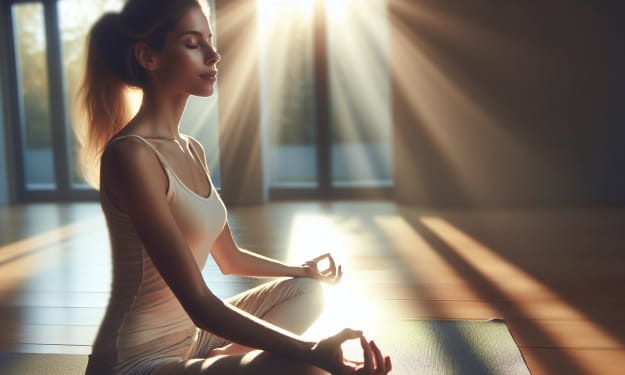
1) Find a comfortable seated position, with your feet flat on the floor and your hands resting softly on your lap. Close your eyes if that feels safe.
2) Take a slow, deep breath in through your nose for a count of four, feeling your belly rise like a gentle wave.
3) Hold the breath softly for a count of four, sensing the stillness in your body.
4) Slowly exhale through your mouth for a count of six, imagining tension flowing out with the air.
5) Pause briefly before your next breath, noticing the quiet space between breaths.
6) Repeat this cycle for four to six rounds, allowing your body to relax more with each breath.
This practice can be your anchor in moments of anxiety, bringing a soothing rhythm that grounds you in calm.
Creating a Soothing Environment
Soft light, gentle sounds, and a quiet space can support your sense of peace. Consider lighting a candle, playing soft instrumental music, or sitting near a window where natural light filters in. Small comforts help your body and mind feel safe.
Mindful Awareness of Sensations
When anxiety arises, try to notice where you feel it in your body. Is your chest tight? Do your shoulders tense? Bring a gentle curiosity to these sensations without trying to change them. This mindful awareness helps you respond with kindness rather than resistance.
Restoring Balance with Movement
Slow, mindful movements like stretching or gentle yoga can release tension and invite relaxation. Even a short walk outdoors, noticing the feel of the ground beneath your feet and the rhythm of your breath, can help soothe anxious feelings.
Remember, easing anxiety is a gradual process. Each small step you take toward calmness is a gift to yourself.
Anxiety can feel isolating, but simple, mindful practices offer a path back to peace and balance. By gently tuning into your breath, body, and surroundings, you create a space where soothing calm can grow and hold you through difficult moments of worry and restlessness in your day-to-day life with compassionate self-talk meditation for soothing anxiety
"Additional Tips for Soothing Anxiety
1) **Limit stimulants:** Reduce caffeine and sugar, which can increase feelings of anxiety.
2) **Stay connected:** Reach out to supportive friends or family when you feel overwhelmed.
3) **Practice self-compassion:** Remind yourself that anxiety is a common human experience and that it’s okay to take time to care for yourself.
4) **Establish a routine:** Consistent sleep, meals, and activity can create a foundation of stability.
5) **Seek professional support:** If anxiety feels too heavy to manage alone, a counselor or therapist can offer guidance and tools tailored to your needs.
Cultivating Long-Term Calm
Incorporate these soothing practices into your daily life to build resilience over time. Regular mindfulness, gentle movement, and self-care create a nurturing environment where anxiety loses its grip. With patience and kindness toward yourself, you can find more moments of ease and quiet joy.
Closing Reflection
Take a moment now to close your eyes, breathe deeply, and feel the calm that is always available within you. Each breath is a gentle reminder that peace can be found, even in the midst of anxiety. Let this awareness be a steady light guiding you through your day.
About the Creator
Keep reading
More stories from Black Mark and writers in Proof and other communities.
Cultivating Stress-Free Productivity: Finding Calm in Your Busy Day
In today’s fast-paced world, productivity often feels like a race against time. Yet, rushing through tasks can increase stress and reduce effectiveness. Stress-free productivity invites us to slow down and work with calm focus. It’s about balancing action with mindfulness, so your energy flows smoothly and your mind stays clear.
By Black Mark4 days ago in Proof
The Tactile Cocktail Experience: Engage Your Senses Like Never Before
When you think of cocktails, you probably imagine the taste and aroma. But what if your fingertips could join the party? The tactile cocktail experience is all about engaging your sense of touch alongside flavor and smell. It’s a fresh way to enjoy drinks, turning every sip into a full sensory adventure.
By Ethan Chen5 days ago in Proof
A Letter to the Firestarter
Dear Firestarter, We can all see you, we've been watching you since you began. In case you didn't know we were here before you and we will be here after. We witnessed your rise, your setbacks, your guilt and your lies. We witnessed you start the fire.
By Donny Foley3 days ago in Poets



Comments
There are no comments for this story
Be the first to respond and start the conversation.