
Heart-Opening Practices for Emotional Balance and Calm

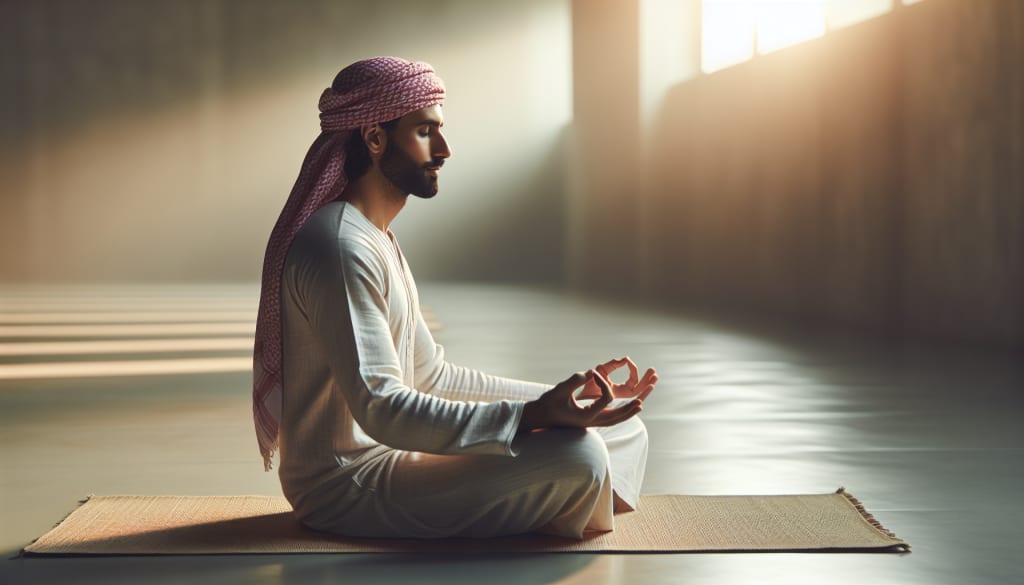
Tips for Deepening Your Mindfulness Practice
1) Consistency matters: Try to practice mindfulness at the same time each day to build a habit.
2) Create a peaceful space: Choose a spot free from distractions where you feel safe and comfortable.
3) Be patient with yourself: The mind will wander; gently return to your breath without judgment.
4) Use reminders: Set gentle alarms or notes to prompt short mindfulness pauses during your day.
5) Explore different techniques: Try body scans, guided meditations, or mindful walking to find what resonates.
6) Integrate mindfulness into daily activities: Pay attention to sensations while eating, washing dishes, or walking.
Understanding the Benefits of Mindfulness for Stress
Mindfulness helps reduce the body's stress response by activating the parasympathetic nervous system. This leads to lower heart rate, reduced muscle tension, and calmer breathing. Mentally, it increases awareness of stress triggers and creates space to choose how to respond. Over time, this practice can reduce anxiety, improve mood, and enhance overall well-being.
When to Seek Additional Support
While mindfulness is a powerful tool, it is not a substitute for professional help if stress becomes overwhelming or persistent. If you find that feelings of anxiety or tension interfere with your daily life, consider reaching out to a mental health professional. They can offer guidance and support tailored to your needs.
Remember, mindfulness is a journey of kindness toward yourself. Each moment of awareness is a gift that nurtures your inner peace and resilience.
Heart-opening practices offer a simple and accessible way to bring more emotional balance and calm into daily life, and they can help you return to inner balance through the mindful breathing practice
"Non-judgmental awareness is a gentle way of paying attention to your present experience without labeling it as good or bad. It invites you to notice thoughts, feelings, and sensations as they arise, simply as they are. This practice helps create space between you and your reactions, allowing calm and clarity to grow.
What is Non-Judgmental Awareness?
At its core, non-judgmental awareness means observing your inner world without criticism or praise. Instead of reacting to a thought like ""I shouldn't feel anxious,"" you notice the thought itself and the feeling behind it. You allow things to be, without pushing them away or holding on tightly.
This mindful stance supports emotional balance and reduces stress. It encourages kindness toward yourself, even when difficult emotions appear.
How to Practice Non-Judgmental Awareness
The practice begins with simple observation. Here is a short guided meditation to help you develop this skill:
1) Find a comfortable seated position. Let your body settle and your eyes close gently.
2) Take a few slow, deep breaths. Notice the rise and fall of your belly with each breath.
3) Bring your attention to whatever is present right now. This could be sounds, sensations in your body, or thoughts passing through your mind.
4) As you notice these experiences, try to observe them without judging. If a thought or feeling arises, acknowledge it silently: ""thinking"" or ""feeling anxious,"" then return to your breath.
5) If you find yourself judging or reacting, gently guide your focus back to simply noticing.
6) Continue this open, kind awareness for five minutes or longer if you wish.
7) When you are ready, slowly open your eyes and carry this gentle attention with you.
Why It Matters
Non-judgmental awareness is a foundation of mindfulness. It helps break patterns of self-criticism and rumination. Over time, it can deepen your understanding of how your mind works and increase your ability to respond to challenges with calmness.
You may notice more moments of peace and a greater sense of connection to yourself and the world around you.
About the Creator
Garold One
writer and meditation practitioner
Keep reading
More stories from Garold One and writers in Proof and other communities.
Finding Peace by Detaching from Worry
Worry is a natural part of life, but it can weigh heavily on our minds and hearts. Learning to detach from worry helps us find calm and clarity. Detaching does not mean ignoring problems; it means stepping back to observe thoughts without getting caught in them.
By Garold One13 days ago in Proof
Discovering Gentle Drink Recipes for Smooth Sipping
When it comes to cocktails, not every drink has to punch you in the face with strong alcohol or intense flavors. Sometimes, you want a gentle drink—something smooth, easygoing, and quietly delicious. These gentle drink recipes are perfect for those moments when you want to sip slowly, savor subtlety, and enjoy a mellow buzz without the bite.
By Anna Walker4 days ago in Proof
Jazz Age Cocktails: A Sip Back to the Roaring 1920s
Step into the smoky haze of a jazz club in the roaring 1920s, where the clink of glasses and the sultry saxophone ruled the night. Jazz Age cocktails are more than just drinks; they’re liquid time machines that transport you to an era of flappers, speakeasies, and the birth of modern mixology. This was a time when Prohibition pushed creativity behind the bar, and bartenders crafted clever concoctions to mask the harshness of bootleg booze.
By Aisha Patelabout 9 hours ago in Proof


Comments
There are no comments for this story
Be the first to respond and start the conversation.