
Mastering Cocktail Weight and Measure: The Bartender’s Guide

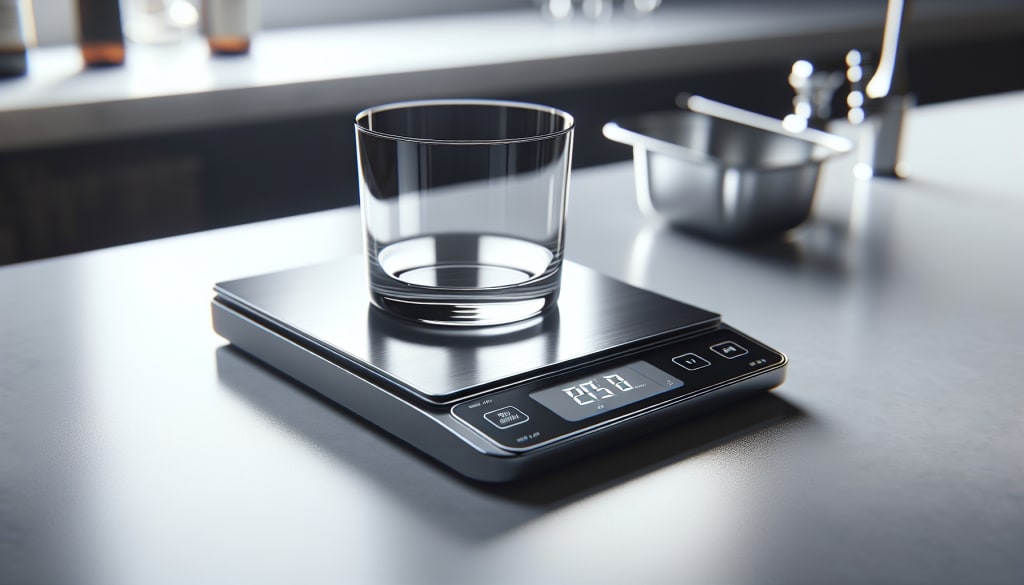
When it comes to mixing the perfect cocktail, precision is king. While many bartenders rely on volume measurements like milliliters or ounces, understanding the weight of ingredients can elevate your craft to a whole new level. Weight measurements bring consistency, especially with ingredients like syrups, juices, and even spirits that can vary in density.
Why consider weight? Liquids aren’t always created equal. For example, 30 ml of honey weighs more than 30 ml of water because honey is denser. By measuring weight, you ensure every drink tastes exactly the same, no matter who’s behind the bar.
Let’s dive into a practical example. Here’s a twist on the classic Daiquiri, measured by weight for consistency and balance:
Weight-Measured Honey Daiquiri
1) White rum: 45 ml (approx. 36 g)
2) Fresh lime juice: 30 ml (approx. 30 g)
3) Honey syrup (1:1 honey to water): 20 g
4) Ice: enough to shake
Instructions:
1) Pour the rum, lime juice, and honey syrup into a mixing glass.
2) Add ice and shake vigorously for about 15 seconds.
3) Strain into a chilled coupe glass.
4) Garnish with a thin lime wheel.
This method ensures you get the perfect blend of sweet and sour every time. The honey syrup’s weight measurement guarantees you don’t accidentally overpower the citrus with too much sweetness.
Using a digital scale in your bar setup might seem like overkill, but it’s a game changer for those who want precision. Weigh your ingredients directly into the mixing glass or a jigger to reduce waste and speed up service. Plus, it’s easier to replicate recipes when you have exact numbers.
Remember, some ingredients like fresh herbs or spices might be better measured by volume or count, but for liquids and syrups, weight measurement is a reliable friend. It’s especially useful in craft cocktail bars where consistency and quality are paramount.
Experiment with weight measurements for your favorite drinks and see how it sharpens your palate and impresses your guests. The next time you craft a cocktail, think about weight—the silent hero behind every perfectly balanced drink.
Understanding the relationship between volume and weight in cocktail ingredients helps bartenders achieve consistency and precision in their drinks, making it a valuable skill for any mixologist aiming to refine their craft and impress guests with perfectly balanced cocktails every time like the essential guide to cocktail weight and measure
"When you walk into a bar, the glass your drink arrives in might seem like a mere vessel. But in the world of cocktails, glassware is a silent partner in shaping the flavor, aroma, and overall experience of your drink. Believe it or not, the shape, size, and even the thickness of a glass can influence how you perceive taste.
Why does this happen? First, the shape of the glass directs aromas to your nose in different ways. Our sense of smell is tightly linked to taste, so a glass that funnels aromas right to your nostrils can enhance the flavors you pick up. For example, a tulip-shaped glass concentrates the bouquet of a spirit, making every sip aromatic and vibrant.
Second, the temperature control varies with glass thickness and size. A thick-walled glass might keep your drink cooler longer, while a thin rim lets the liquid hit your tongue more delicately. The way the liquid hits your palate—whether it’s a broad splash or a focused stream—can highlight or mute certain flavor notes.
Here’s a quick guide to some classic glassware and how they affect taste:
1) **Martini glass**: The wide mouth encourages quick aroma release and a crisp, clean finish.
2) **Old Fashioned glass**: Short and stout, it’s perfect for drinks served on the rocks, allowing slow dilution.
3) **Highball glass**: Tall and narrow to keep carbonation lively and aromas light.
4) **Coupe glass**: Elegant and shallow, it’s great for cocktails served without ice, emphasizing subtle aromas.
Now, let me share an original cocktail recipe designed with glassware and taste in mind: the Citrus Harmony.
**Citrus Harmony**
1) 45 ml gin
2) 30 ml fresh grapefruit juice
3) 15 ml elderflower liqueur
4) 15 ml lemon juice
5) 10 ml simple syrup
6) 1 dash orange bitters
Shake all ingredients with ice and strain into a chilled coupe glass. Garnish with a thin grapefruit twist.
The coupe’s shallow bowl allows the bright citrus aromas to dance freely, while the delicate rim lets you savor the balance of floral elderflower and tangy citrus with every sip. It’s a perfect example of how glassware enhances the harmony of flavors.
So next time you sip a cocktail, take a moment to appreciate the glass it’s served in. It’s not just about looks—it’s about unlocking the full taste potential of your drink.
About the Creator
Sofia Mertinezz
A renowned cocktail mixologist and the owner of a popular speakeasy-style bar in the French Quarter. Her innovative approach to classic cocktails has earned her a loyal following.
Keep reading
More stories from Sofia Mertinezz and writers in Proof and other communities.
Pitching Cocktail Ideas Like a Pro Bartender
Honey is one of those magical ingredients that can turn an ordinary cocktail into a luscious, memorable experience. When it’s local honey, you’re not only adding sweetness but also a unique floral character that reflects the terroir of your region. Seasonal cocktails with local honey capture the essence of the moment—whether it’s the bright, fresh blossoms of spring or the rich, warm notes of autumn.
By Sofia Mertinezz4 months ago in Proof
Cultivating Presence and Awareness: A Gentle Guide to Mindful Living
Presence and awareness are the cornerstones of a mindful life. When you cultivate these qualities, you invite yourself to fully experience each moment without judgment or distraction. This practice can calm the mind, soothe the body, and open the heart to simple joys that often go unnoticed.
By Victoria Marse2 days ago in Proof
Sunrise Cocktails: Bright Sips for Morning and Brunch
Sunrise cocktails are the perfect way to greet the day with a splash of color and a burst of flavor. These drinks are light, refreshing, and designed to complement a relaxed morning or a lively brunch. Think of them as the liquid equivalent of a sunrise — bright, warm, and uplifting.
By Anna Walkerabout 9 hours ago in Proof




Comments
There are no comments for this story
Be the first to respond and start the conversation.