
Shaking vs Stirring: The Ultimate Bartender Showdown for Perfect Cocktails

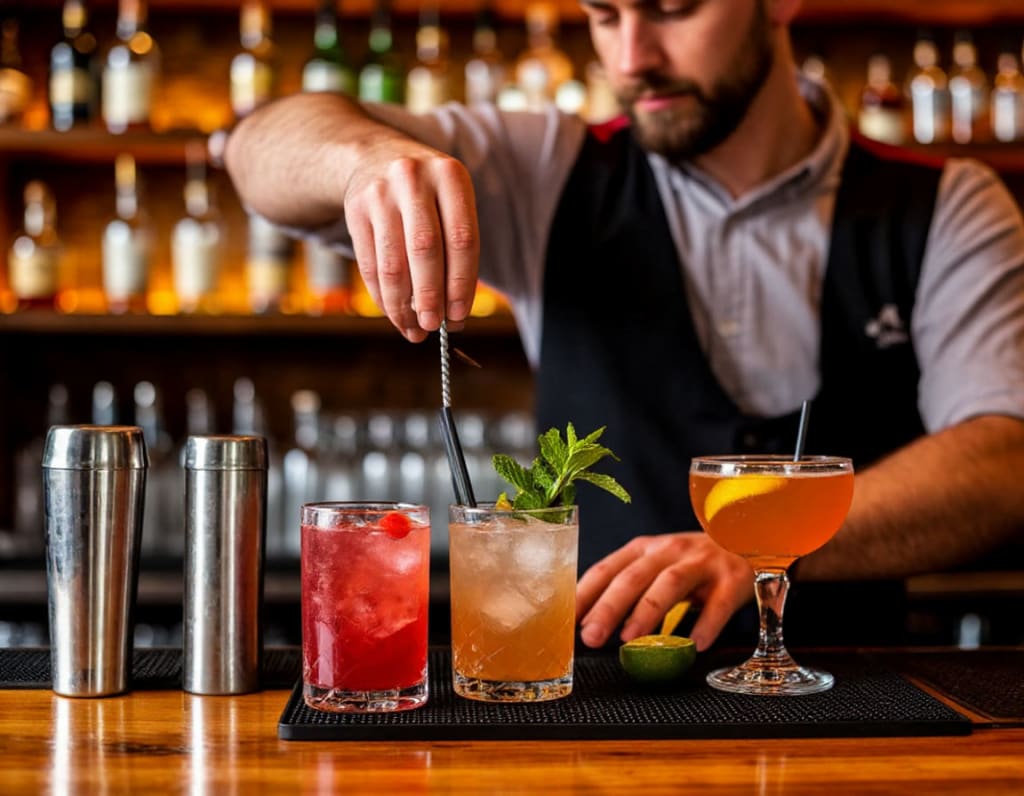
Ah, the age-old debate that has divided bartenders and cocktail enthusiasts alike: shaking or stirring? It’s like the cosmic battle of the mixology universe, where ice clinks and shakers rattle as fervent fans defend their chosen method. Whether you're an aspiring home bartender or a seasoned pro, knowing when to shake and when to stir is the secret sauce to crafting cocktails that will make you the life of any party. So grab your shaker, your bar spoon, and let’s dive into the juicy details.
Why Even Bother? The Science Behind the Shake and Stir
First, let’s understand what these two techniques actually do to your cocktail. When you shake a drink, you’re vigorously combining ingredients with ice, which chills the concoction rapidly and adds a little dilution — that’s your friend, not your foe. Shaking also aerates the drink, creating a frothy, silky texture. Stirring, on the other hand, is a gentler approach. It cools and dilutes your mix slowly without breaking up the ingredients’ structure, preserving crystal-clear clarity and a smooth mouthfeel.
If you think of shaking as a wild jazz solo, stirring is your smooth, cool saxophone line — both beautiful but suited for different vibes.
When to Shake: The Rule of Thumb
Shake your cocktail if it contains any of these:
1) Citrus juice (lemon, lime, orange)
2) Egg whites or dairy (hello, creamy delights)
3) Thick syrups or ingredients that need serious melding
Why? Because these components don’t play nice with gentle stirring. They need the vigorous mix to marry properly, creating the perfect balance of flavors and that gorgeous foam on top.
Shake It Like You Mean It: The Classic Whiskey Sour Twist
Here’s a cocktail recipe that’ll shine with a good shake. Ready for the Whiskey Sour remix?
1) 50 ml Bourbon whiskey
2) 25 ml Fresh lemon juice
3) 15 ml Simple syrup
4) 15 ml Egg white (optional, but highly recommended for silky texture)
5) Ice cubes
**Method:**
1) Add the bourbon, lemon juice, simple syrup, and egg white into your shaker.
2) Dry shake (no ice) first for about 10 seconds to emulsify the egg white.
3) Add ice and shake again vigorously for 15 seconds.
4) Strain into a rocks glass filled with fresh ice.
5) Garnish with a lemon twist or a cherry.
This baby is a textbook example of why shaking rules for citrus and egg white cocktails — creamy, tangy, balanced, and downright delicious.
When to Stir: The Gentle Art of Elegance
Stirring is the go-to technique for cocktails that are mostly spirits and liqueurs — think of the classics like the Martini, Manhattan, or Negroni. The purpose here is to chill and dilute without clouding the drink or breaking up the refined harmony of flavors.
Imagine stirring as coaxing the flavors to dance together sparingly so they don't lose their individuality. The result? A crystal-clear, smooth cocktail that glides down your throat.
Here’s a checklist of cocktails to stir:
1) Spirit-forward drinks (vodka, gin, whiskey based)
2) Cocktails without citrus or creamy ingredients
3) Drinks where clarity is part of the aesthetic
The Tools of the Trade
For shaking, you’ll want a good, sturdy Boston shaker or a cobbler shaker if you like that classic click and pop. Remember, a vigorous yet controlled shake is key — you’re not trying to launch the drink across the bar.
For stirring, a long bar spoon with a twisted handle is your best friend. It allows you to easily swirl the ice and spirit in a smooth, circular motion without splashing or bruising the ingredients.
The Final Verdict: Shake or Stir?
Honestly, it’s not about picking a winner but about knowing the nuances that each technique brings to the table. Shaking infuses energy and texture into your drink, while stirring brings out clarity and subtlety.
For the ultimate bartender-influencer cred, master both. Impress your friends with a flawless shaken Whiskey Sour and a perfectly stirred Martini, and watch heads turn.
And remember, whether you shake or stir, the magic lies in the passion and precision you put into every pour. Cheers to making every sip legendary!
At the end of the day, the choice between shaking and stirring boils down to what your cocktail needs most — texture or clarity, frothy excitement or smooth elegance. Both techniques have their rightful place behind the bar, and understanding when to use each transforms you from a mere drink mixer to a true cocktail artist. Plus, experimenting with these methods adds a little flair and fun to your bartending adventures, making every drink an experience worth savoring. If you want to dive deeper into the art of shaking versus stirring and when to choose each, check out this insightful guide on shaking techniques and choices.
"Tips for Perfecting Your Technique
1) Always use fresh, cold ice — it’s the unsung hero that chills your drink without watering it down too fast.
2) For shaking, think of it as a dance rather than a workout; rhythmic and controlled.
3) When stirring, keep your spoon close to the glass wall to minimize splashing and maintain clarity.
4) Practice your strain technique to catch ice shards and keep your cocktail smooth.
5) Don’t be afraid to taste as you go; your palate is the best judge.
Mixing It Up: Fun Variations to Try
1) Try a shaken Negroni if you want a slightly more diluted, chilled, and frothy version — just for kicks.
2) Stir a citrus-heavy cocktail and notice how the flavor feels underwhelming — then shake it and be amazed.
3) Add a dash of bitters or a splash of vermouth and shake or stir to see how balance shifts.
Mastering the art of shaking versus stirring is like unlocking secret levels in the game of cocktail creation. Whether you’re shaking up a storm or gently stirring sophistication, the journey makes every drink taste like a victory. So go ahead, grab that shaker or spoon, and make some magic happen.
About the Creator
Aisha Patel
A cocktail educator and author, known for her focus on sustainable mixology. She advocates for eco-friendly practices in the bar industry and teaches others how to create delicious cocktails with minimal environmental impact.
Keep reading
More stories from Aisha Patel and writers in Proof and other communities.
Old Fashioned Recipe: The Timeless Classic That Never Goes Out of Style
Greetings, cocktail enthusiasts and whiskey lovers! Pull up a stool, because today we're diving deep into the world of the Old Fashioned — a drink as iconic and dependable as your favorite boots or that one friend who always shows up with snacks. Whether you're a seasoned mixologist or a newbie shaking your first cocktail, the Old Fashioned’s charm is undeniable. It’s simple, it’s classic, and it’s the perfect companion for any occasion that calls for a little spirit (pun intended).
By Aisha Patel5 months ago in Proof
Ultimate Tailgate Cocktails for Your Sports Party
Tailgating is an art, a ritual that transforms parking lots and backyards into the ultimate sports party zones. When the game day excitement is high, your drinks should match that energy — easy to make, crowd-pleasing, and perfect for sharing with your crew. Whether you’re cheering for the home team or just there for the fun, these cocktails bring the spirit alive.
By Ava Mitchell3 days ago in Proof
Carnival Cocktails: Sweet and Fun Drinks for Your Party Treats
When it comes to throwing a party that sparkles with fun and flavor, carnival cocktails are your best friends. These drinks are vibrant, sweet, and bursting with playful energy — just like a carnival itself. They mix bright colors, fruity notes, and a touch of whimsy to keep your guests smiling all night long.
By Sofia Mertinezz6 days ago in Proof




Comments
There are no comments for this story
Be the first to respond and start the conversation.