
The Room with No Mirrors
He discovered himself only after he stopped trying to see who he was supposed to be.

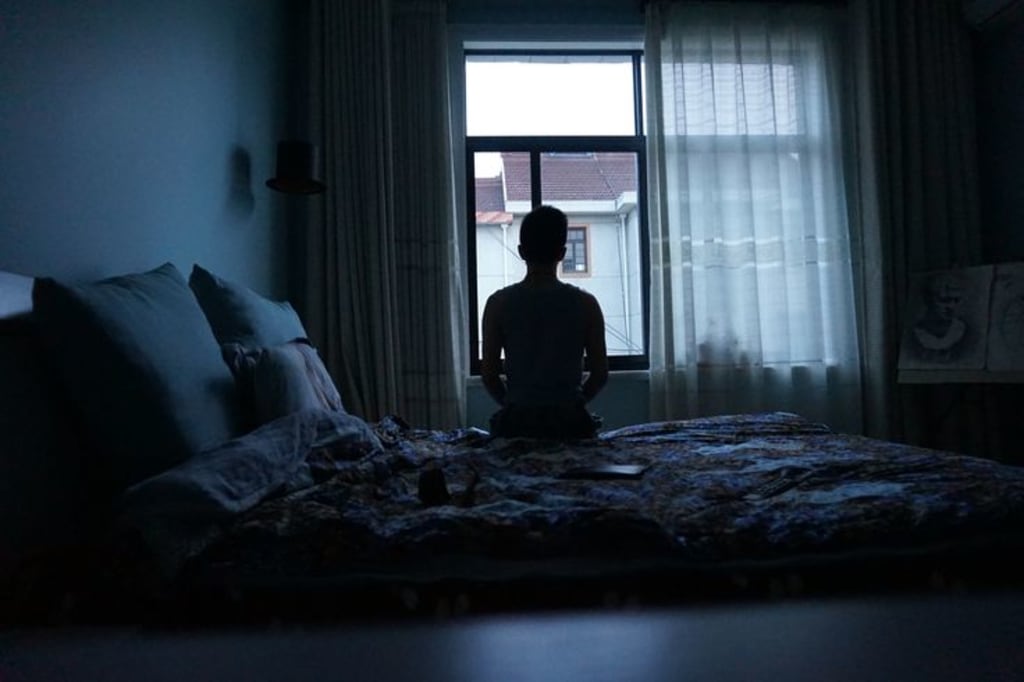
Arman avoided mirrors whenever he could. Not because he disliked his reflection, but because it confused him. Every mirror showed a slightly different version—more confident at work, more tired at home, more hollow when he was alone. He often wondered which one was real, or whether any of them were.
From childhood, Arman had learned to adapt. At school, he became what teachers praised. At home, he became what his parents expected. With friends, he became agreeable. Over time, the constant adjusting earned him approval, but it quietly erased something else: certainty. By his late twenties, Arman was successful by most measures, yet deeply unsure of who he was without an audience.
The invitation arrived unexpectedly. A week-long corporate retreat focused on “mental clarity and leadership.” Arman nearly declined, assuming it would be full of motivational speeches and empty exercises. But something in him—fatigued by routine—said yes.
The retreat center was isolated, surrounded by hills and long stretches of silence. On the first day, participants were asked to surrender their phones. The discomfort was immediate. Without screens, Arman felt exposed, like a performer without a script.
On the second day, the facilitator announced an exercise called The Room with No Mirrors. Each participant would spend an hour alone in a simple room—no reflections, no distractions, no tasks. Just stillness.
Arman’s chest tightened. Sitting alone with his thoughts felt more frightening than any deadline he had ever faced.
The room was exactly as promised. Plain walls. A chair. Soft light. No mirrors.
At first, Arman’s mind raced. To-do lists. Conversations. Imagined futures. He tried organizing his thoughts, then suppressing them. Neither worked. Slowly, exhaustion replaced resistance. He slumped back in the chair and allowed his thoughts to wander without control.
Memories surfaced—moments when he had said yes but wanted no, moments when he had smiled to avoid conflict, moments when he had chosen safety over curiosity. None of these were dramatic failures. They were small betrayals, repeated often enough to become a habit.
A realization settled uncomfortably: he had spent years managing how he appeared instead of understanding how he felt.
Without mirrors, there was no reflection to perform for. No expression to adjust. No role to maintain. For the first time in a long while, Arman wasn’t reacting—he was simply being.
He noticed sensations instead of judgments. Tension in his shoulders. A steady breath. A strange sadness, followed by relief. The sadness came from acknowledging how far he had drifted from his own preferences. The relief came from realizing that drift was not permanent.
When the hour ended, Arman didn’t want to leave.
The days that followed felt different. Conversations were slower, more deliberate. Arman spoke less, but when he did, his words felt aligned. During a group discussion, someone asked what the exercise had taught him.
“That I’ve been outsourcing my identity,” Arman said after a pause. “Letting reactions decide who I am.
No one laughed. Several nodded.
Returning home was harder than he expected. The mirrors were back—literal and metaphorical. Expectations. Old patterns. Familiar pressure. But Arman carried something new with him: awareness.
He began practicing small honesty. Admitting when he didn’t know. Declining invitations he didn’t want. Exploring interests without worrying whether they impressed anyone. It felt awkward, even selfish at times. But it felt real.
One morning, brushing his teeth, Arman looked into the mirror and didn’t search for approval or confirmation. He simply observed. The reflection no longer needed to explain itself.
He understood now that mirrors were never the problem. The problem was believing that identity could only exist when reflected back by others.
Sometimes, clarity doesn’t come from looking harder.
Sometimes, it comes from sitting quietly in a room with no mirrors—and listening.
About the Creator
Sudais Zakwan
Sudais Zakwan – Storyteller of Emotions
Sudais Zakwan is a passionate story writer known for crafting emotionally rich and thought-provoking stories that resonate with readers of all ages. With a unique voice and creative flair.
Keep reading
More stories from Sudais Zakwan and writers in Psyche and other communities.
The Quiet Voice Inside
Maya often felt tired even when she had done nothing physically exhausting. Her body was fine, but her mind was always busy. Thoughts moved quickly—worries about the future, memories from the past, and questions that never seemed to have clear answers. She smiled in front of others, but inside her head, there was constant noise.
By Sudais Zakwan5 days ago in Psyche
stop overthinking with just 2 words
Did you know that there are exactly two words that cause overthinking and exactly two words that can end it forever? These are tools you can carry with you for life. Overthinking is not the real problem, it is a symptom. And treating a symptom without addressing the root cause never truly works. Beneath overthinking, there is often a deeper issue: a lack of trust and a loss of control. From that space, two small but powerful words are born: “What if?”
By Mahboubeh Fallahi2 days ago in Psyche
I've Just Realized
The President doesn't understand music. There. It felt very good to write that; it's some thing I just realized today. Oh , yes; he plays it. He TRUMPets it in rallies and meetings, pumps it across the airwaves when he gathers up our minutes waiting for his late arrival.
By Judey Kalchik 2 days ago in Beat




Comments
There are no comments for this story
Be the first to respond and start the conversation.