
🌧️ Leptospirosis Crisis in Jamaica: Floods After Hurricane Melissa Spark a Dangerous Outbreak
How Devastating Rainfall and Standing Water Are Fueling a Rising Public Health Threat

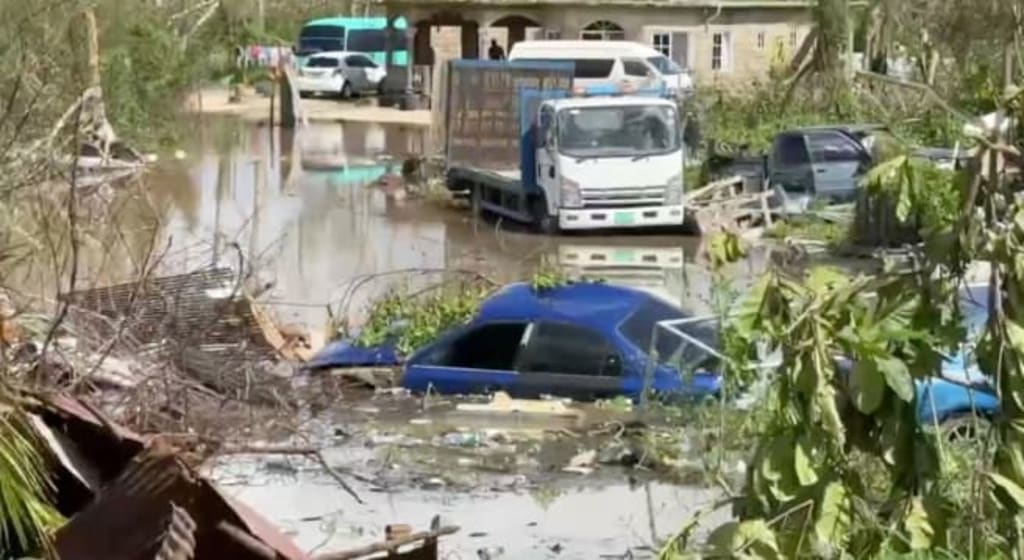
Jamaica is battling more than just the physical devastation left behind by Hurricane Melissa. In the aftermath of the Category 5 storm, health authorities have confirmed a leptospirosis outbreak across multiple parishes — a serious bacterial illness that thrives in floodwaters and contaminated soil. With several deaths already reported and dozens more suspected cases, public health officials are sounding the alarm.
This outbreak underscores a critical intersection: climate disaster and infectious disease risk. As the island recovers from the storm, the danger now lies not just in rebuilding infrastructure but in stopping the spread of a disease that can silently take hold.
What Is Leptospirosis?
Leptospirosis is a bacterial infection caused by Leptospira species. The bacteria are commonly found in water or soil contaminated by the urine of infected animals — especially rodents, but also livestock, cats, and dogs.
web3.jamaica-gleaner.com
Jamaica Observer
Humans can contract the disease through:
Cuts or abrasions on the skin
Contact with mucous membranes (eyes, nose, mouth)
Exposure to water or soil that’s contaminated
Jamaica Gleaner
web3.jamaica-gleaner.com
Symptoms often begin like the flu — fever, headache, muscle pain — but can escalate to severe illness involving the liver, kidneys, lungs, or even internal bleeding.
web3.jamaica-gleaner.com
Why the Outbreak Happened Now
1. Hurricane Melissa’s Role
Hurricane Melissa made landfall in Jamaica in late October 2025 as a Category 5 storm, bringing excessive rainfall, widespread flooding, and landslides.
AP News
The Guardian
These conditions provided the perfect environment for Leptospira bacteria to spread: when floodwaters stagnate, they can become contaminated with animal urine, creating dangerous breeding grounds for infection.
Jamaica Gleaner
2. Unusual Rise in Cases
Health Minister Dr. Christopher Tufton confirmed that between October 30 and November 20, there were 9 laboratory‑confirmed cases of leptospirosis, plus 28 suspected or probable cases.
Jamaica Gleaner
Tragically, six deaths have been linked to the outbreak, all from the suspected cases.
Jamaica Observer
According to Tufton, these numbers are unusually high compared to recent trends: in the 34 months prior, Jamaica saw only 2 to 21 cases in total.
web3.jamaica-gleaner.com
Which Areas Are Most Affected
The outbreak is spread across eight parishes, according to Jamaican health officials.
web3.jamaica-gleaner.com
These include:
St. James
St. Ann
St. Mary
Hanover
Westmoreland
St. Elizabeth
St. Catherine
Trelawny
web3.jamaica-gleaner.com
According to epidemiologists, St. James parish has seen the largest number of cases, including two confirmed deaths.
web3.jamaica-gleaner.com
Notably, all reported deaths so far have been among men in their 20s, which has raised concern among health officials.
web3.jamaica-gleaner.com
Official Response: What the Jamaican Government is Doing
Health authorities in Jamaica are taking the outbreak seriously and have activated a multi-faceted response:
🔬 Testing and Surveillance
The government has secured 5,600 PCR test kits for leptospirosis.
web3.jamaica-gleaner.com
They’ve also set up 100 point-of-care testing sites to facilitate early diagnosis.
web3.jamaica-gleaner.com
💧 Clean-up and Hygiene
Authorities are distributing cleaning agents and protective gear to communities affected by the flooding.
web3.jamaica-gleaner.com
Public health teams are also working on targeted clean-up campaigns to reduce contamination risks.
web3.jamaica-gleaner.com
🚰 Water Safety
In areas where floodwaters have disrupted water supplies, officials are advising residents to treat or boil water before drinking.
Jamaica Gleaner
People are being told to avoid contact with standing water whenever possible.
Jamaica Gleaner
🏥 Medical Response
Hospitals in the hardest-hit areas have been strained. Some are implementing field hospital operations to deal with increased patient load.
Jamaica Gleaner
Health officials are urging early medical care for anyone experiencing symptoms, noting that early treatment can dramatically improve outcomes.
Jamaica Gleaner
🔍 Risk Communication
The Ministry of Health is working to educate the public about the dangers of contaminated water and how to protect themselves.
web3.jamaica-gleaner.com
Officials emphasize transparency — by declaring the outbreak publicly, they hope to encourage vigilance and reduce misinformation.
web3.jamaica-gleaner.com
Community Risks: Who Is Most Vulnerable
Some groups face higher risk than others:
Farmers, agricultural workers, and cleanup crews who are exposed to floodwaters and contaminated soil
web3.jamaica-gleaner.com
Emergency responders and volunteers, especially in flooded areas
Residents of flood zones, where water may be contaminated and sanitation compromised
web3.jamaica-gleaner.com
Anyone with open cuts or wounds, which make it easier for bacteria to enter the body
Why This Outbreak Matters: Bigger Picture
🌪️ Climate Change and Health Risk
Hurricane Melissa’s devastation is a harsh reminder of how extreme weather can trigger public health emergencies. As climate change intensifies storms and increases flooding frequency, the risk of water-borne diseases like leptospirosis grows.
🦠 Leptospirosis History in Jamaica
This isn’t the first time Jamaica has dealt with leptospirosis. Research shows the disease is endemic on the island, with cases rising particularly during rainy seasons.
Dove Medical Press
A study highlighted that previous serious outbreaks followed flooding events in the country.
Mona Campus
🛡️ Public Health Infrastructure Under Strain
Hospitals already battered by hurricane damage are now facing additional burdens. Reduced bed capacity, field hospitals, and stretched resources are making it harder to treat every patient promptly.
Jamaica Gleaner
🔄 Preventive Action as Key
This outbreak underscores the importance of prevention: clean water, protective gear, public education, and quick treatment can save lives. Health officials are pushing for long-term measures to fortify communities against future climate-related outbreaks.
What You Can Do (If You’re in Jamaica or Visiting)
If you live in or are traveling to Jamaica, especially areas affected by the storm, here are some practical steps to protect yourself:
Avoid contact with floodwater whenever possible — standing water might be contaminated.
Jamaica Gleaner
Wear protective clothing — waterproof boots, gloves, and long sleeves help reduce the risk of infection.
Treat or boil drinking water if your source may be contaminated.
Jamaica Gleaner
Seek medical attention early if you experience symptoms such as fever, headache, muscle pain, or red eyes.
Jamaica Gleaner
Stay informed via reliable sources — listen to public health warnings, and don’t rely solely on social media.
Conclusion
Jamaica’s leptospirosis outbreak is a stark reminder: the health impacts of disasters like Hurricane Melissa go beyond immediate damage. As floodwaters recede, the lingering threat of bacterial disease grows.
By acting decisively — testing widely, cleaning affected areas, warning the public, and supporting vulnerable communities — health authorities are working to contain the outbreak. But long-term solutions require more than emergency response: they demand investment in infrastructure, community resilience, and disease surveillance.
In a changing climate, Jamaica’s experience could serve as a warning to other countries: floods can kill silently, and without preparation, a disaster’s aftermath can be just as dangerous as the storm itself.
About the Creator
Daily Motivation
Hi | Assalam Ulaikum | Wellcome to my profile | This is a Motivation Page | You can tell me your Problem so i can help you... my whatsapp number +92 336 7762 162
Keep reading
More stories from Daily Motivation and writers in Serve and other communities.
RAF Conducts Precision Air Strike in Central Syria
RAF and Allied Forces Carry Out Precision Air Strike in Central Syria Military aircraft from the United Kingdom, working together with allied forces, carried out a targeted air strike in central Syria during a recent overnight operation.
By Daily Motivation29 days ago in Serve
Shadow of War Rising America Vs Iran
Historical Fears During World War II, Japan attacked the United States at Pearl Harbor, triggering a massive American military response that ultimately included the use of atomic bombs on Hiroshima and Nagasaki. That history still shapes how people imagine modern conflicts between powerful nations. Some observers fear that if Iran were to strike American airbases or regional forces, the United States might respond with overwhelming force, recalling past examples where escalation led to devastating consequences for civilians and infrastructure alike nearby societies.
By USA daily update 4 days ago in Serve
How Automated Cheese Packaging Equipment Reduces Waste and Boosts Yield?
In the competitive world of cheese production, every ounce matters. Especially if managing a large-scale dairy facility where the efficiency of packaging process directly impacts your bottom line. That's where modern cheese packaging equipment comes into play, revolutionizing how producers handle one of their most critical operations. Here’s how exactly this technology is transforming cheese packaging, reducing waste, and significantly boosting yield for producers of all sizes.
By High Tek USAabout 14 hours ago in Serve
Killing him slowly
There’s an intruder in my house again. He stumbles through the door, wet carrier bags in hand. He’s bought me offerings. I show my appreciation, letting him caress my beautiful body. He wants to touch me. I rub myself against his legs. He sighs, dropping the bags. He can’t resist touching me. Running his hand slowly down my spine, I arch my back towards his caress, let out a low purr. It’s what we both need.
By N J Delmas5 days ago in Horror



Comments
There are no comments for this story
Be the first to respond and start the conversation.