
Lithium vs. Calcium Grease: What’s the Difference?
Choosing the right grease is crucial for machine performance and durability. Lithium grease handles heat and pressure well, ideal for heavy-duty use, while calcium grease offers superior water resistance for light-duty tasks in wet environments. This guide helps you decide based on your system’s needs.

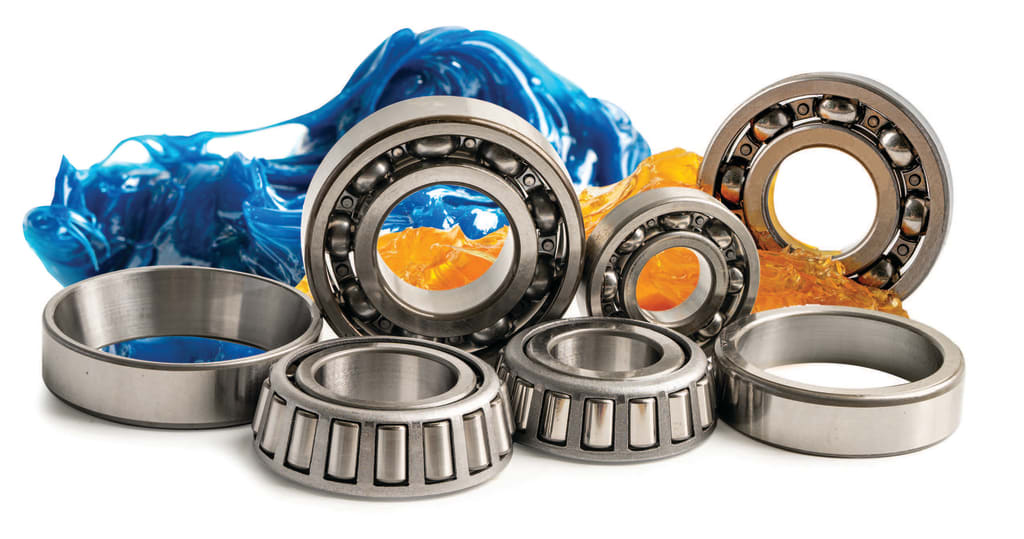
Selecting the right grease depends on how the machine runs & what conditions it faces. Using the wrong grease can result in rust, faster wear, or sudden breakdowns. Many systems fail because the lubricant doesn’t match the job it needs to do. Knowing the right fit between several types of grease helps reduce such risks.
Both lithium and calcium greases have specific uses. The choice depends on a few simple but important factors. These include how hot the machine gets or how wet the surroundings are. It also depends on how heavy the load is or how often the machine runs. This article explains lithium & calcium grease in detail. So, do you wish to avoid confusion while choosing the correct grease? Read about the right match that can improve safety while lowering repair costs.
What Is Lithium Grease?
Lithium grease is one of the most widely used lubricants in automotive and industrial systems. It has a thick & smooth texture. It performs well under pressure as well as temperature changes. So, it is suitable for various mechanical parts.
Used in vehicles and machinery that operate continuously, lithium grease helps reduce wear between moving components.
This grease supports metal contact areas such as wheel bearings, suspension joints, and chassis parts. It stays in place during movement and protects against rust.
Key features of lithium grease:
- Sticks well to metal surfaces
- Resists high pressure in mechanical systems
- Works steadily under heat
- Reduces wear in joints and bearings
- Performs well over long service periods
- Used widely in automotive and industrial sectors
- Holds structure without softening
- Suitable for continuous movement systems
What Is Calcium Grease?
Calcium grease is another widely used lubricant in automotive and agricultural machinery. It is known for its excellent water resistance. This type of grease works best in damp or moist environments. It was one of the earliest greases used in vehicles before newer formulations became popular.
Calcium grease is not suitable for high temperatures or heavy loads. Still, it offers protection against corrosion. It is soft in texture & easy to apply. Ideal for low-speed parts, this grease is also used in exposed fittings.
One major benefit of calcium grease is its affordability. It is commonly used in rural or farming applications where exposure to water is frequent. Note down the following features:
- Offers strong resistance to water
- Works well in moist or wet environments
- Helps protect metal from corrosion
- Best suited for low-speed machinery
- Works under low-temperature conditions
- Does not drip easily from surfaces
- Ideal for farming equipment and chassis points
- Simple to handle and apply
Differences Between Lithium and Calcium Grease
Many people confuse these two greases. But they are different in several ways. The key differences lie in their strength, use, and heat resistance. Choosing between them depends on where and how the grease is used.
Let’s compare both based on some clear factors.
Heat Resistance
Lithium grease:
Best for handling higher temperatures without losing its form, lithium grease remains stable during long operations in heat.
Calcium grease:
It cannot manage high heat for long. It softens or breaks down when exposed to high temperatures. Also, it is for those tasks that involve less friction or lower speeds.
Water Resistance
Lithium grease:
It offers moderate water resistance. Moreover, it may handle exposure to moisture occasionally. However, it is not for constant wet conditions.
Calcium grease:
Ideal for farming equipment and exposed vehicle parts, it works better in damp or wet environments. Repels water effectively.
Load Capacity
Lithium grease:
Best for high-pressure applications, this grease can protect surfaces under load. It is used for commercial vehicles as well as industrial systems.
Calcium grease:
Performs best in light-duty applications. It is not meant for high-stress parts. It may fail in heavy-load machinery.
Range of Applications
Lithium grease:
Fits a wide range of uses (including vehicles alongside construction equipment). It best supports long-lasting lubrication.
Calcium grease:
Fits slower and lighter tasks; calcium grease works well in basic systems that do not generate much heat.
Shelf Life and Stability
Lithium grease:
It remains stable over time. Moreover, it holds its structure during use. Fewer reapplications are needed while lowering maintenance needs.
Calcium grease:
It breaks down faster under heat or stress. Also, it requires frequent applications in active systems.
Cost and Affordability
Lithium grease:
When it comes to cost, it is expensive because of its performance. It reduces wear & service time accordingly.
Calcium grease:
A budget-friendly option, this type of grease is best suited for users needing low-cost lubrication.
Thickener Type & Texture
Lithium grease:
It has a denser texture. Moreover, it sticks better to the moving parts. It can reduce leaks while improving surface contact.
Calcium grease:
Calcium grease is softer & spreads easily. But it may not stay on high-speed components for long.
Compatibility with Other Greases
Lithium grease:
Mixing types of grease may result in system failure. Lithium grease does not always mix with other grease bases. System flushing is needed during product change.
Calcium grease:
Calcium grease is also not suitable for mixing with several other greases. Cleaning old grease is always recommended before applying a new type.
How to Choose Between the Two Types of Grease?
Choosing the right grease depends on usage. Note that fast-moving machines with heavy loads require a grease that can handle stress or heat. Lithium grease works better in such cases. Here are the parameters while selecting between the two:
Temperature Conditions
Lithium grease is a better fit if the system operates under high heat. It stays stable during long, hot operations. Calcium grease softens under such heat (which affects performance).
Moisture Exposure
For machines exposed to wet or damp surroundings, calcium grease works well. It repels water and prevents corrosion. Lithium grease offers limited protection in such conditions and may wash out sooner.
Load Pressure
In high-pressure systems like commercial vehicles or industrial equipment, lithium grease provides better protection. It holds firm under stress. Calcium grease suits systems with low-pressure needs.
Usage Intensity
If the machine runs daily or handles continuous movement, lithium grease provides longer support. It requires fewer reapplications. Calcium grease fits well in lighter, short-use applications.
Maintenance Schedule
For users looking to reduce re-greasing frequency, lithium grease offers better value. It holds its structure longer. Calcium grease may need more frequent application in active systems.
Budget Limits
Calcium grease is more affordable and suits light-duty users. Lithium grease has a higher price but supports longer intervals and better part protection.
Part Speed and Movement
Parts that move fast or rotate continuously need lithium grease. Its dense texture stays in place. Calcium grease spreads easily but may slip off fast-moving parts.
Grease Compatibility
Always check compatibility when you change products. Lithium &calcium grease do not mix with other types. Flush the system before applying the new grease.
Calcium grease, on the other hand, might be more suitable if the machine works in wet conditions or performs simple tasks. Understanding the type of system, the working environment, or the level of stress helps make a safer and smarter choice.
So, both lithium and calcium are part of common types of grease used in commercial and industrial settings.
Wrap up
Selecting the right grease makes a big difference in how machines perform and last. Every system has its own needs depending on heat & pressure (and even moisture). Understanding them helps avoid using the wrong product.
When it comes to lithium and calcium, both types of grease work best in different conditions. Lithium suits high stress and heat. On the other hand, calcium works better in wet or simple systems.
Thus, selecting the grease wisely reduces wear while cutting your maintenance time. Your decision also improves safety in the long run. So, stick to what matches your machine’s workload & surroundings to get better results. This way, you can avoid costly problems later.
About the Creator
Rahul Bhatt
Hi, I am Rahul, a professional content writer with over 3 years of experience as a ghostwriter, blog writer, and copywriter. I work closely with B2B and B2C industries, providing content that gains search engine visibility.
Keep reading
More stories from Rahul Bhatt and writers in Serve and other communities.
Caring for Your Coolant: Best Practices to Improve the Life of Your Metalworking Fluid
Machines do not complain and ask for breaks. They work by cutting, grinding, and shaping metal, day in and day out. But here is something every machinist, shop owner, and maintenance professional learns the hard way: a machine is only as reliable as the fluid running through it.
By Rahul Bhatt10 months ago in Serve
How Automated Cheese Packaging Equipment Reduces Waste and Boosts Yield?
In the competitive world of cheese production, every ounce matters. Especially if managing a large-scale dairy facility where the efficiency of packaging process directly impacts your bottom line. That's where modern cheese packaging equipment comes into play, revolutionizing how producers handle one of their most critical operations. Here’s how exactly this technology is transforming cheese packaging, reducing waste, and significantly boosting yield for producers of all sizes.
By High Tek USA4 days ago in Serve




Comments
There are no comments for this story
Be the first to respond and start the conversation.