
How to Put on a Wig: The Beginner’s Guide
The Ultimate Beginner’s Guide to Wearing Wigs: From Basics to Pro Hacks

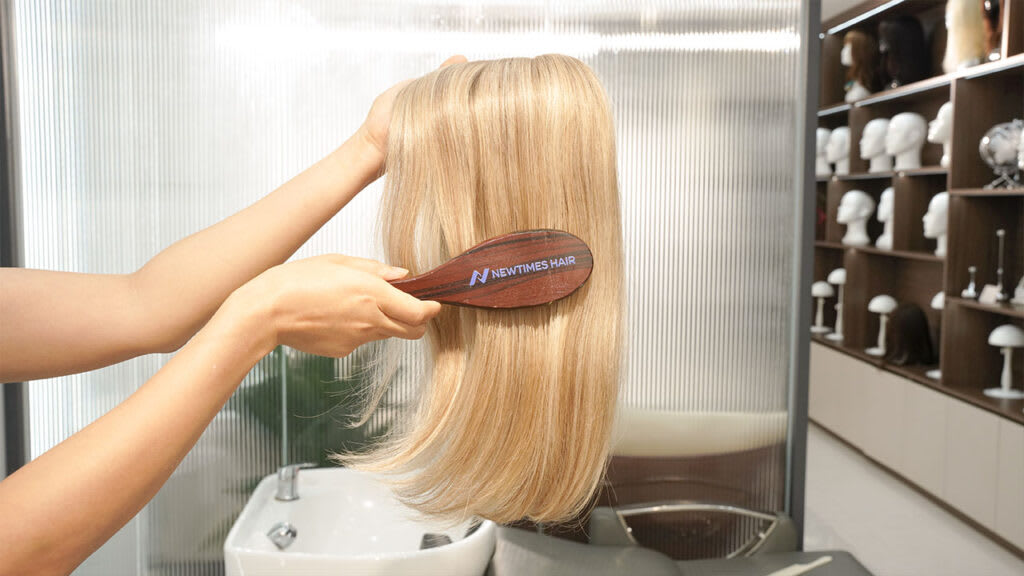
The Ultimate Beginner’s Guide to Wearing Wigs: From Basics to Pro Hacks
For those entering the world of wigs for the first time, the transition can be both exciting and intimidating. The most common fears—"Will it look natural?" or "Will it stay secure?"—are perfectly normal. However, with the right techniques, wearing a wig can become a seamless part of your daily routine.
Drawing from the expert advice of Newtimes Hair and the latest viral "wig hacks" trending on social media, this comprehensive guide will help you master the art of the perfect install.
1. The Foundation: Preparing Your Hair and Scalp
A flawless wig look starts with what’s underneath. The goal is to create the flattest surface possible to avoid the dreaded "bumpy head" look.
For Short Hair: Simply brush your hair back and away from your face. Use a light-hold hairspray or a few bobby pins to keep flyaways in place.
For Long Hair: According to Newtimes Hair, the best method is to braid your hair into two French braids and cross them at the nape of your neck, pinning them flat. Alternatively, you can create "pin curls" distributed evenly across your head.
For Little to No Hair: A wig cap is your best friend. Beyond just keeping things in place, it provides a layer of comfort for sensitive scalps and prevents the wig's internal mesh from causing irritation.
2. Modern Security: Keeping Your Wig in Place
Security is the #1 concern for beginners. While traditional clips are great, current trends have introduced more comfortable and effective alternatives:
The Wig Grip Band: This is a game-changer. A velvet-like headband worn under the wig that uses friction to prevent sliding. Some modern versions, like the Sure Grip, can even be kept in the freezer before wearing to help you stay cool in hot weather.
Lace Glue & Melting Sprays: For a "melted" look that lasts all day, many influencers recommend using a light layer of lace spray (like Got2b) or specialized glueless adhesives. This secures the front edge without the commitment of heavy-duty glue.
The "Shake Test": Once your wig is on, give your head a firm shake in front of the mirror. If it moves, you need to adjust the internal straps or add a few more bobby pins at the temples and nape.
3. The Perfect Install: Step-by-Step
Putting on the wig requires a specific technique to ensure it sits where your natural hair would.
Hold and Tilt: Hold the wig at the nape (where the label is) with both hands. Tilt your head forward slightly.
Front-to-Back: Position the front of the wig at your eyebrows and slide it back over your head.
Find the Hairline: Gently slide the wig back until it sits just slightly below your natural hairline. If it’s too far forward, it will look like a hat; too far back, and it looks unnatural.
Ear Tabs: Use the small tabs on the sides to center the wig. These should sit evenly in front of your ears.
Adjust the Fit: Use the adjustable straps inside the cap to tighten or loosen. It should feel snug like a sports bra—secure but not causing a headache.
4. Pro Hacks for a Natural Finish (Viral Secrets)
To take your wig from "box-fresh" to "salon-slayed," try these popular hacks used by pros:
Dull the Shine: Synthetic wigs often have an unnatural "plastic" shine. A light dusting of dry shampoo or baby powder can instantly matte the fibers, making them look like human hair.
Define the Part: Take a small amount of foundation or concealer that matches your skin tone and apply it to the parting line with a thin brush. This mimics the look of a natural scalp.
Tame the "Baby Hairs": Use a clean toothbrush and a tiny bit of edge control or gel to swoop the fine hairs at the front. This softens the transition between the wig and your skin.
The Fabric Softener Trick: If your synthetic wig starts to feel stiff or tangled, a 50/50 mix of water and fabric softener in a spray bottle can act as a DIY detangler and softener.
5. Wearing Wigs in Hot Weather or Active Lifestyles
In 2024 and 2025, "active wig-wearing" has become a major topic. If you’re heading to the gym or out in the sun:
Opt for Breathability: Look for "open-cap" or "capless" wigs that allow for maximum airflow.
Switch to Bamboo: Use a bamboo wig liner. Bamboo is naturally moisture-wicking and keeps the scalp significantly cooler than nylon or polyester.
The Headband Wig: For the ultimate easy-to-wear option, headband wigs allow you to skip the lace and glue entirely, making them perfect for high-intensity activities.
Final Thoughts
As the experts at Newtimes Hair emphasize, "We’ve all been wig-wearing beginners at one stage." The key is patience. Your first few tries might feel awkward, but within a week, it will become second nature. Wigs are a powerful tool for self-expression and confidence—embrace the process, experiment with styles, and most importantly, wear it with a smile.
About the Creator
Emma Smith
explores the latest trends in hair, hairstyles, and hair systems, creating insightful content that blends fashion, innovation, and confidence.
Keep reading
More stories from Emma Smith and writers in Styled and other communities.
15 Best Hair Replacement Systems Companies You Can Trust
Reclaiming Confidence: A Guide to the 15 Most Trusted Hair Replacement Companies Hair loss affects over 80 million people in the U.S. alone, but the solution no longer requires surgery or visible "hairpieces" of the past. Modern hair replacement systems—advanced, non-surgical units—have become virtually undetectable and highly comfortable.
By Emma Smith6 days ago in Styled
Plus Size Dresses That Enhance Natural Beauty
Fashion is most powerful when it celebrates individuality and confidence. For women who wear plus sizes, the right dress does more than fit well—it enhances natural beauty, supports comfort, and allows personal style to shine. In the Middle East, where elegance, modesty, and refinement are highly valued, plus-size fashion has evolved to offer sophisticated designs that flatter curves while maintaining grace.
By Style Sparks5 days ago in Styled
Latest Trends in Men’s and Women’s Fashion 2026
Fashion is an ever-evolving industry, constantly influenced by cultural shifts, technological advancements, and individual expression. As we move into 2026, both men’s and women’s fashion are seeing innovative styles, fresh colors, and sustainable practices dominating the global market. From streetwear to luxury couture, the current trends are blending comfort, functionality, and high fashion in unique ways.
By Emilia Vizcarra7 days ago in Styled


Comments
There are no comments for this story
Be the first to respond and start the conversation.