
How to Style Outfits in 2026: A Practical Guide to Modern Dressing
How to Style Outfits in 2026 Like Modern Fashion Pros Guide

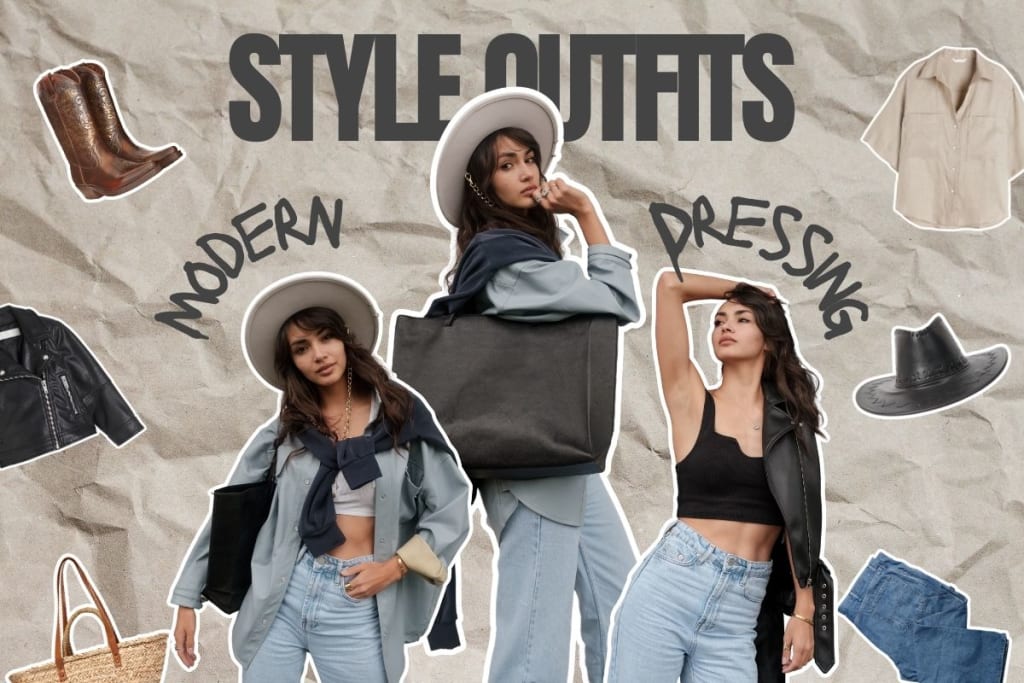
Fashion in 2026 is less about strict rules and more about intentional styling. Trends still exist, but the biggest shift this year is that personal identity, comfort, and adaptability matter more than blindly following runways.
If you want to style outfits well in 2026, you need to understand proportions, textures, color psychology, and how to build looks that transition across settings—something widely reflected in fashion stories today.
Below is a complete, up-to-date guide to mastering outfit styling in 2026.
1. Start With Proportion, Not Trends
The biggest styling mistake people still make is choosing clothes based only on trends. In 2026, stylists focus first on silhouette balance.
Rule of modern proportions:
- Loose top → structured or fitted bottom
- Oversized bottom → tailored or cropped top
- Full layers → define waist or ankles
Wide-leg trousers, barrel jeans, and relaxed tailoring are dominant this year, but they only look polished when paired with contrast. A baggy outfit from head to toe usually looks unintentional unless styled with sharp accessories or structured footwear.
2. Texture Mixing Is the New Layering
Layering used to mean stacking garments. In 2026, it means combining textures.
Popular texture combinations:
- Denim + satin
- Knitwear + leather
- Linen + metallic accents
- Cotton basics + sheer overlays
Stylists recommend choosing one dominant texture and one accent texture. More than three competing materials can make an outfit look chaotic rather than curated.
3. Color Styling Is Guided by Mood Science
Color trends in 2026 are influenced by emotional psychology, not just seasonal palettes. According to insights often referenced by trend analysts like Pantone, calming tones and grounded shades dominate because people prefer clothing that feels stabilizing.
Popular 2026 palettes:
- Earth neutrals (clay, moss, sand)
- Soft digital pastels (lavender grey, muted aqua)
- Deep grounded tones (espresso, oxblood, charcoal)
Styling tip:
- Use the 60-30-10 rule
- 60% base color
- 30% secondary tone
- 10% accent color
This keeps outfits visually balanced and intentional.
4. Accessories Are Now Statement Anchors
In earlier years, accessories were optional. In 2026, they’re often the defining element of an outfit. Stylists call this anchor styling — building a look around one standout piece.
Examples:
- Bold sculptural belt → build neutral outfit around it
- Metallic shoes → keep clothing minimal
- Statement glasses → simplify neckline and hair
This method ensures your outfit looks styled, not accidental.
5. Smart Casual Is the Dominant Dress Code
Formalwear and streetwear have merged into a hybrid aesthetic often described in editorials by publications like Vogue as refined casual.
Key elements:
- Tailored trousers + sneakers
- Blazer + relaxed tee
- Structured coat + joggers
The idea is contrast between polished and relaxed pieces. Outfits that mix comfort and structure look current in 2026 because they reflect modern lifestyles that blend work, travel, and social settings.
6. Fit Customization Matters More Than Brand Names
Logos are less important in 2026 styling culture. Instead, people focus on fit precision. Tailoring or adjusting clothes to your exact shape instantly upgrades your look.
Important fit checkpoints:
- Shoulder seam alignment
- Sleeve length ending at wrist bone
- Pants break resting lightly on shoes
- Waist definition (even in oversized outfits)
Even inexpensive clothing looks premium when it fits perfectly. Stylists now consider tailoring a basic step rather than a luxury.
7. Styling by Occasion Layers
Instead of owning different outfits for every event, modern styling uses adjustable layers.
Example base outfit:
- Neutral trousers
- Fitted tee
- Minimal sneakers
Adjust for settings:
- Add blazer → meeting ready
- Add jewelry + boots → evening look
- Add hoodie → casual outing
This approach reduces wardrobe size while increasing outfit combinations — a major 2026 fashion priority tied to sustainability and practicality.
8. Personal Signature Elements Define Style
The strongest trend in 2026 isn’t a garment — it’s individuality. Stylists encourage developing signature markers that make your outfits recognizable.
Examples:
- Always wearing monochrome looks
- Consistent gold accessories
- Specific color palette
- Signature hairstyle or eyewear
Having 1–2 consistent elements creates visual identity, making even simple outfits look intentional and styled.
9. Footwear Determines Outfit Tone
Shoes now set the mood of an outfit more than any other piece.
Same outfit, different shoes:
- Sneakers → relaxed
- Loafers → polished
- Boots → bold
- Sandals → effortless
When styling, choose shoes first, then coordinate the rest of your outfit around them.
10. Confidence Is the Final Styling Layer
In 2026 fashion culture, presentation energy matters as much as clothing. Stylists consistently note that posture, grooming, and body language can transform an outfit’s impact.
To elevate any look:
- Stand straight
- Keep grooming neat
- Match facial expression to outfit mood
- Clothing works best when the wearer looks comfortable in it.
Final Thoughts
Styling outfits in 2026 is about balance, intention, and authenticity. Instead of chasing every trend, focus on proportions, textures, fit, and color harmony. Use accessories strategically, choose footwear wisely, and build looks that adapt to different situations.
The most stylish people today aren’t those wearing the newest clothes — they’re the ones who understand how to compose an outfit like a visual story.
About the Creator
Stories Today
Stories Today is a place where real people share real stories, and that’s it. We believe every person has an incredible story to tell.
Visit us:https://storiestoday.co.uk/
Keep reading
More stories from Stories Today and writers in Styled and other communities.
Smart Shopping Guide: How to Find Hidden Discounts, Coupons, and Cashback Deals
With rising prices and shrinking budgets, smart shopping has become less about impulse buys and more about strategy, a shift frequently highlighted in stories today about changing consumer habits. Many shoppers don’t realize that discounts aren’t always advertised upfront. In fact, some of the best savings are hidden and available only to those who know where to look.
By Stories Today8 days ago in Styled
The Sparkle Edit: 7 Jewelry Trends to Fall in Love With This Valentine’s Day
The Sparkle Edit: 7 Jewelry Trends to Fall in Love With This Valentine’s Day Valentine's Day is just around the corner, and while flowers and chocolates are always a treat, there’s something truly special about a piece of jewelry. It's a lasting token of affection, a tangible reminder of love, and let's be honest – it adds a delightful sparkle to any day.
By Fashion World7 days ago in Styled


Comments
There are no comments for this story
Be the first to respond and start the conversation.