
Seasonal Planning for High-Demand Wholesale Occasions
Smart Inventory Strategies for High-Demand Occasion Wear
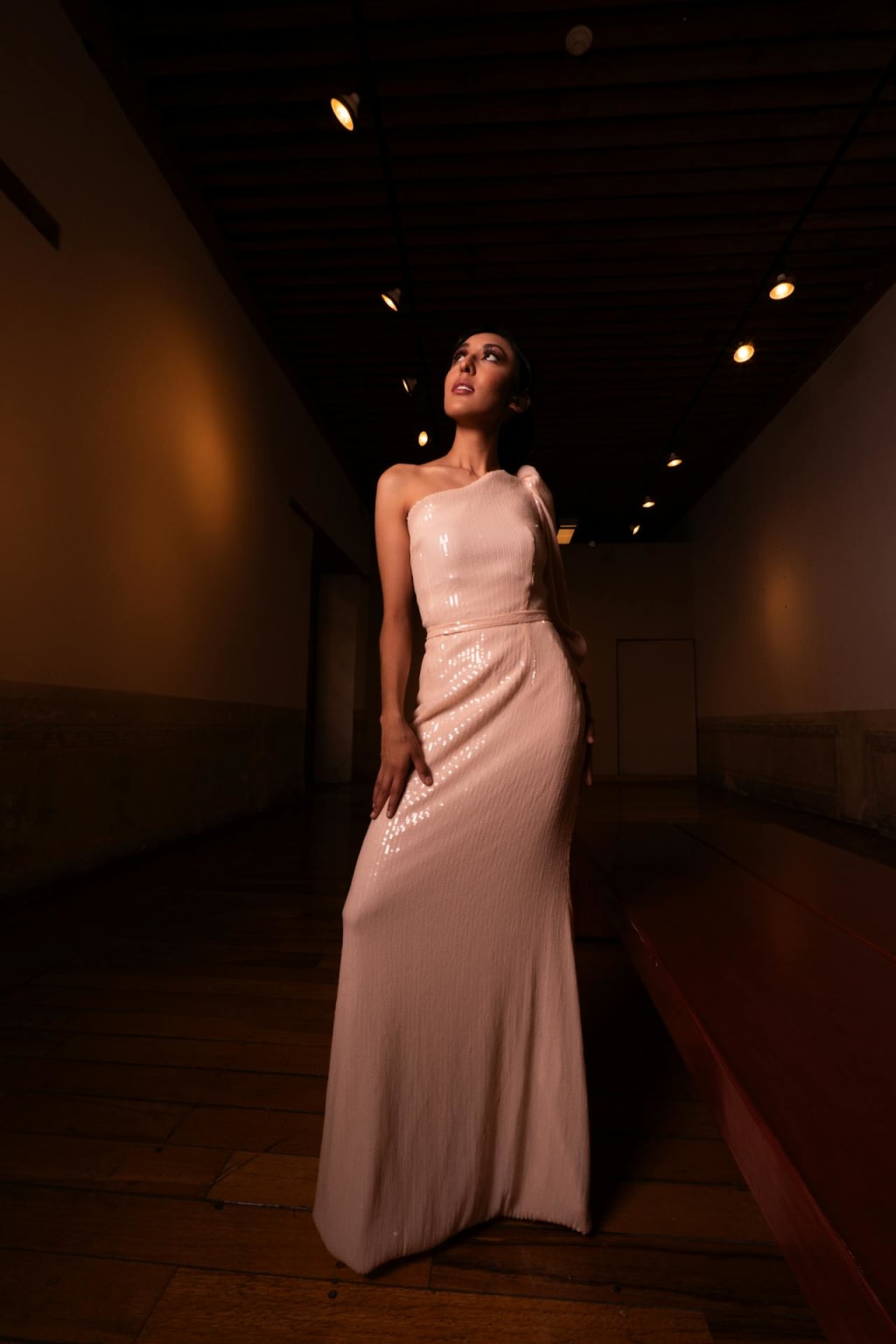
For retailers and boutique owners, planning inventory around high-demand seasons is key to maximizing sales and meeting customer expectations. One of the most profitable segments in women’s fashion is wholesale occasion dresses. These dresses cater to weddings, proms, holidays, corporate events, and special celebrations. Proper seasonal planning ensures that your store has the right styles, sizes, and quantities available when shoppers are looking for them. In this guide, we’ll explore strategies for stocking, sourcing, and selling wholesale occasion dresses effectively.
Why Seasonal Planning Matters for Wholesale Occasion Dresses
Wholesale occasion dresses are typically tied to specific events, which makes timing and inventory management critical. Seasonal planning helps retailers:
Meet Customer Demand: Ensuring your inventory aligns with seasonal events prevents missed sales opportunities.
Maximize Profits: High-demand periods allow retailers to price strategically while maintaining strong margins.
Reduce Overstock: By forecasting demand, boutiques can avoid excess inventory that may not sell after the season ends.
Stay Competitive: Offering the latest styles before competitors ensures your store remains a top destination for shoppers.
A proactive seasonal approach allows retailers to stay ahead in a fast-paced fashion market.
Key Seasonal Occasions for Wholesale Dresses
Understanding the timing and type of occasions helps retailers plan inventory effectively. Some key high-demand seasons include:
1. Prom Season
Prom season drives substantial demand for formal and semi-formal dresses, including A-line, mermaid, ballgown, and two-piece styles. Retailers should stock wholesale occasion dresses in diverse sizes, trendy colors, and embellishments such as sequins or beading.
2. Wedding Season
Weddings create demand for bridesmaids, mother-of-the-bride, and guest dresses. Classic silhouettes like A-line, empire waist, and elegant maxi dresses are popular choices. Pastels, jewel tones, and seasonal colors can increase appeal.
3. Holiday Events
Holidays like Christmas, New Year’s Eve, and Valentine’s Day drive demand for cocktail and party dresses. Sequined, metallic, or velvet fabrics are often sought after, making them essential for winter inventory planning.
4. Graduations and Formal Ceremonies
Graduations, award ceremonies, and other formal events generate interest in knee-length, midi, or full-length gowns. Retailers can cater to customers seeking stylish yet sophisticated options for these occasions.
5. Corporate Events and Galas
Evening gowns, cocktail dresses, and floor-length formal dresses are in high demand during corporate events and charity galas. Stocking a variety of colors and elegant designs ensures you appeal to professional shoppers.
Tips for Sourcing Wholesale Occasion Dresses
To capitalize on seasonal demand, selecting the right wholesale supplier is crucial. Consider these tips:
Plan Ahead: Order inventory several months in advance to account for production and shipping timelines.
Request Samples: Test dress quality, fit, and fabric before committing to large orders.
Diversify Styles: Stock a mix of silhouettes, fabrics, colors, and sizes to cater to multiple occasions.
Track Trends: Monitor fashion blogs, social media, and trend reports to identify in-demand styles.
Negotiate Bulk Pricing: Many suppliers offer discounts on larger orders, improving profitability.
Effective Inventory Management for Seasonal Sales
Managing stock effectively ensures your boutique maximizes sales during peak periods:
Forecast Demand: Use historical sales data and trend reports to estimate how many dresses you’ll need for each occasion.
Organize by Occasion: Arrange inventory by event type (prom, wedding, holiday, gala) for easier merchandising and customer navigation.
Monitor Turnover: Keep track of which styles sell quickly and replenish inventory as needed.
Offer Pre-Orders or Reservations: Allow customers to reserve dresses ahead of time to ensure they get the style and size they want.
Plan for Returns: Clear return policies help manage post-season inventory and maintain customer trust.
Marketing Strategies for Seasonal Dresses
Even with the right stock, effective marketing is essential:
Create Occasion-Themed Displays: Highlight prom, holiday, or wedding dresses in dedicated sections.
Use Social Media: Showcase dresses on Instagram, TikTok, and Pinterest using high-quality images and styling videos.
Offer Styling Advice: Provide tips for accessories, shoes, and hairstyles to create a complete look.
Launch Seasonal Promotions: Limited-time discounts, bundle offers, and loyalty incentives encourage purchases.
Leverage Email Marketing: Notify customers about new arrivals, seasonal collections, or flash sales to drive traffic and sales.
Common Mistakes to Avoid
Even experienced retailers can make mistakes when planning for seasonal demand:
Overstocking One Style: Diversify inventory to reduce risk if trends shift.
Ignoring Quality: Low-quality dresses can lead to returns and harm your store’s reputation.
Neglecting Supplier Reliability: Ensure your supplier can deliver on time, especially during peak seasons.
Failing to Analyze Past Sales: Not reviewing historical data can result in inaccurate forecasts and missed opportunities.
Final Thoughts
Seasonal planning is critical for retailers looking to maximize sales and satisfy customer demand for wholesale occasion dresses. By understanding key high-demand events, sourcing from reliable suppliers, diversifying styles, and implementing effective marketing strategies, boutiques can ensure their stores are stocked with the right dresses at the right time.
With careful forecasting and proactive inventory management, your boutique can not only capitalize on seasonal opportunities but also build a reputation as a go-to destination for stylish, high-quality occasion dresses. Investing in strategic seasonal planning ensures long-term profitability and customer loyalty year after year.
About the Creator
Keep reading
More stories from Style Sparks and writers in Styled and other communities.
Evening Dresses That Highlight Natural Elegance
When it comes to formal occasions in the Middle East — from luxurious weddings and gala dinners to Ramadan gatherings and engagement celebrations — elegance is not about excess. True sophistication lies in balance, refinement, and confidence. The right evening dresses do not overpower your personality; they enhance your natural beauty and presence.
By Style Sparks2 days ago in Styled

Comments
There are no comments for this story
Be the first to respond and start the conversation.