
23 Donald Trump Illustrations that Sum Up America's Feelings Perfectly
Making America great again, one illustration at a time.



Humanity has always had a history of expressing social, political, and personal views using artwork. In Ancient Greece, the artwork extolling political figures took the form of statues and paintings on amphorae. In the 1850’s, it was a political cartoonist by the name Thomas Nast who outed Boss Tweed’s corruption through the form of easy to understand comics published in a local paper. Today, artists who are inspired to speak out against political figures are doing so through digital art - and what these pictures showing Trump definitely say more than a thousand words on how the artists feel about the president’s actions.
Trumpo

"Pieces of meat"
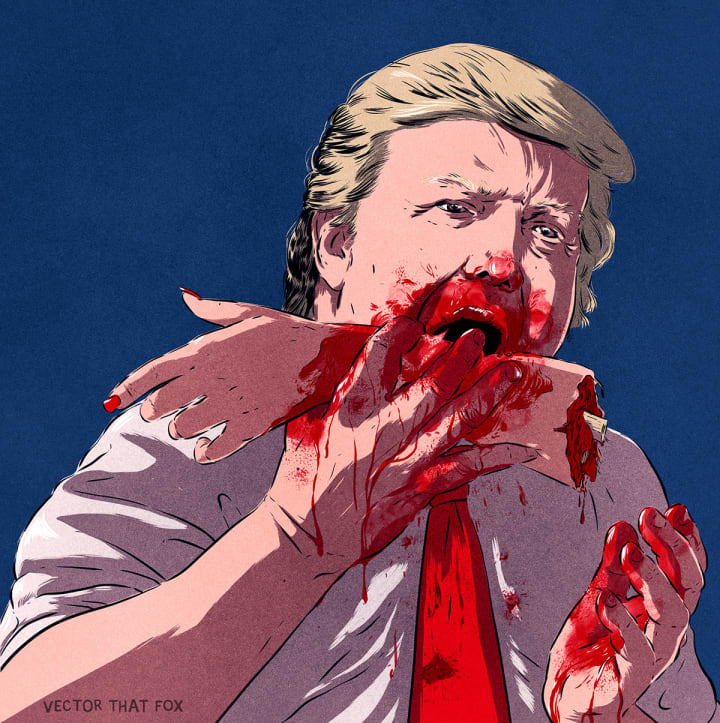
by Jo Breese
The Donald

Trump
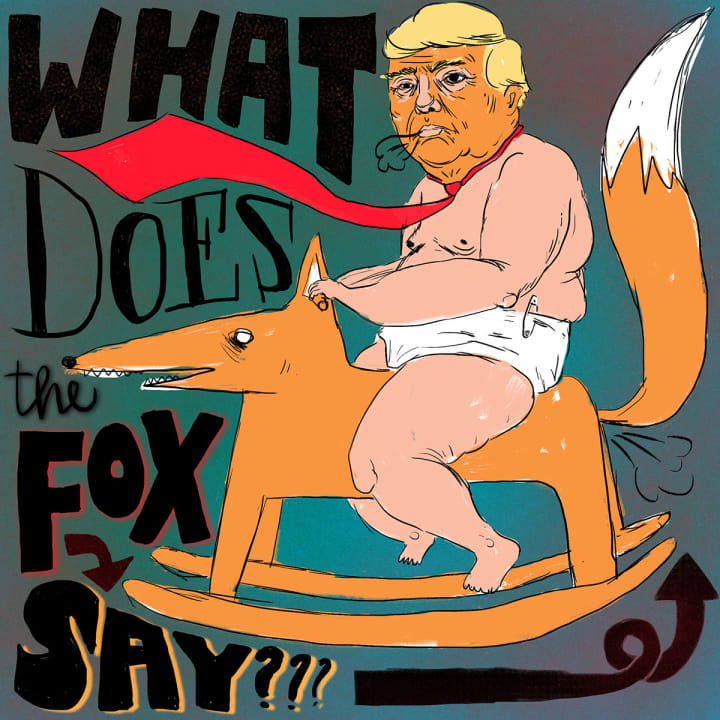
by Emese Kovács
Donald Trump Zombie T-Shirt
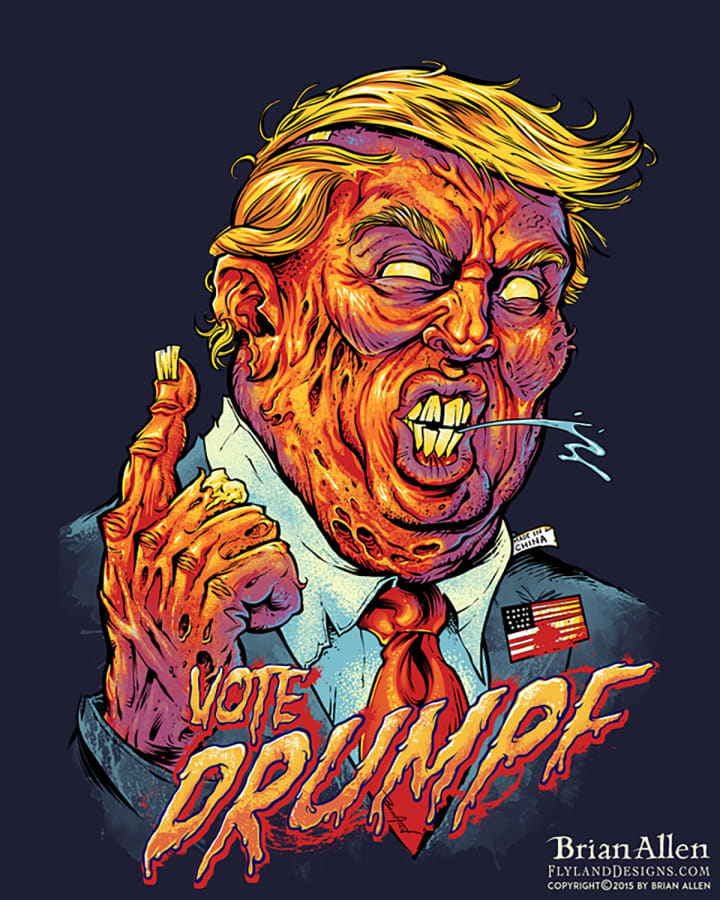
by Brian Allen
Trump Can't Swim
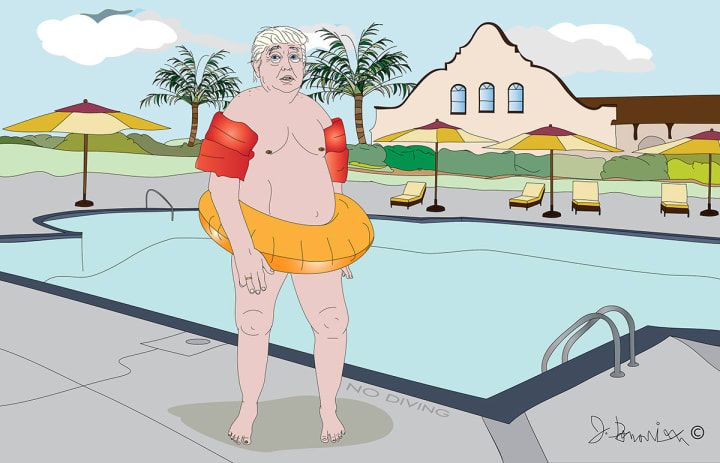
Cherry Vanilla (Trump Portrait)

make everything great again

Devil Trump

by Kirsten Ulve

Tongue-tied

by Mr Cup
Bromance
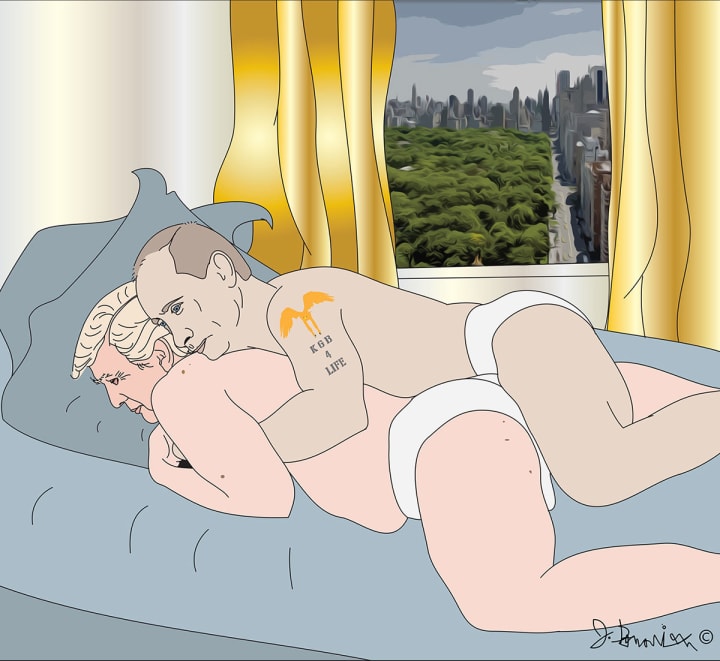
Trump Nazi

Trump Shaker


Upday

Nude Trump

by Illma Gore
Angry Ooomp Loompa

Donald Trump
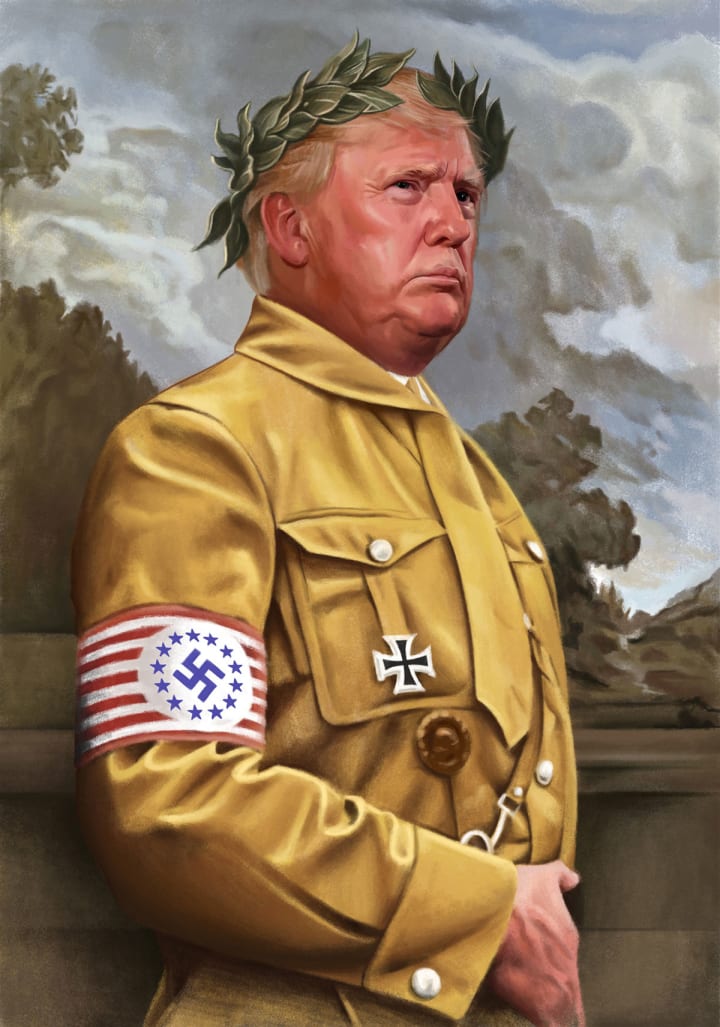
by Franco Nieri
Trump Talk
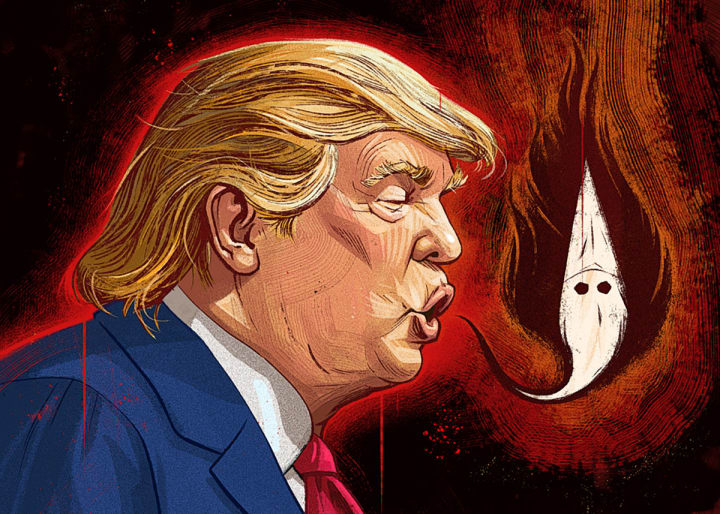
by Eugene Smith
A Day in the Life
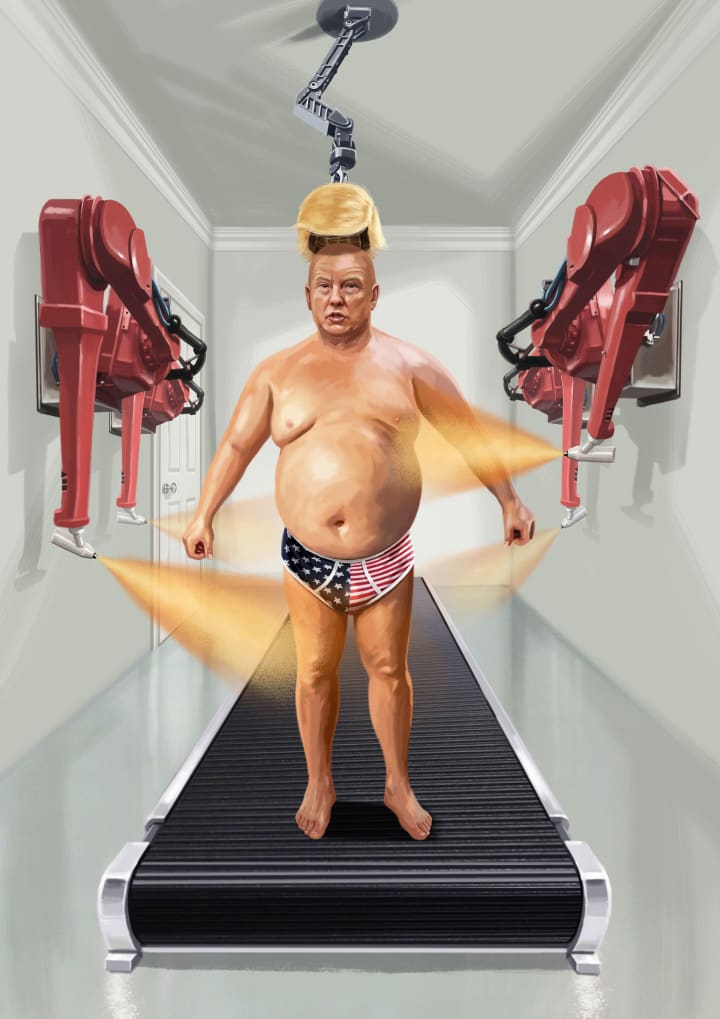
by Steve Ash
TRUMPET

by sidd wills
Trump Rally

About the Creator
A. Walter Cox
Keep reading
More stories from A. Walter Cox and writers in The Swamp and other communities.
A Gathering of Evil Bosses
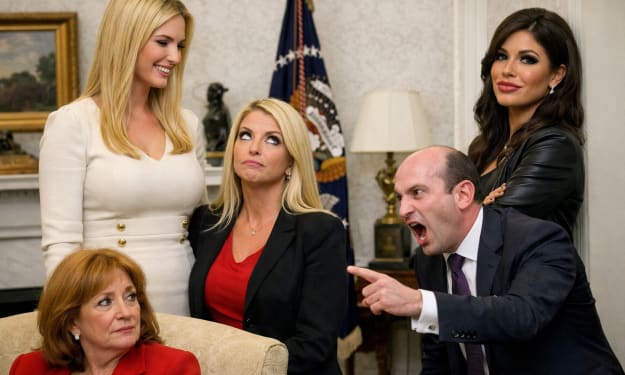
“I’m the queen of chin jutting while I smooth my hair, attacking, insulting, and deflecting to protect my appointer.” “Oh, please, Blondi, my hair is curled, highlighted, and longer than yours. I feature television commercials telling immigrants that we will give them a free plane ride home, and if they voluntarily turn themselves in, they will be allowed to legally apply for re-entry. It runs everywhere, and I look good in it! You can’t compete because of your blond hair. Mine is nicer, and my lips are prettier than yours.”
By Andrea Corwin 4 days ago in The Swamp
Iranian Army Receives New Batches of Russian Mi-28 Attack Helicopters as U.S. Attack Looms
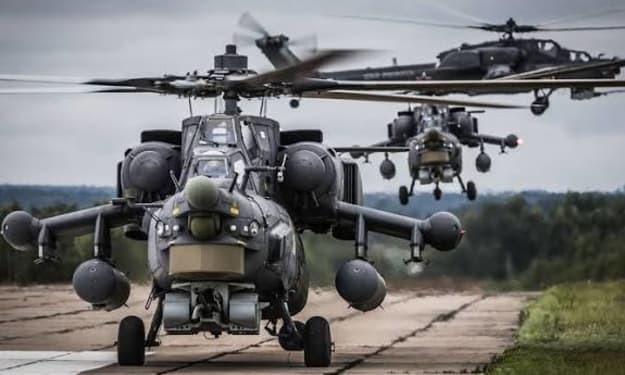
The Iran has reportedly received new batches of Mi‑28 Havoc attack helicopters from Russia, marking a significant upgrade to its rotary-wing combat fleet at a time of rising regional tensions and growing fears of a potential confrontation with the United States. According to defense sources and regional intelligence assessments, the deliveries form part of a broader military cooperation package between Tehran and Moscow, reflecting closer strategic ties forged amid international sanctions and shared geopolitical interests. Iranian state-linked outlets described the arrival of the helicopters as a “defensive reinforcement,” while analysts view the move as a clear signal of deterrence as speculation increases over possible U.S. or allied military action. Strengthening Iran’s Air Assault Capability The Mi-28 is a heavily armed and armored attack helicopter designed for close air support, anti-armor missions, and low-altitude combat operations. Equipped with a 30mm cannon, guided anti-tank missiles, and advanced night-vision targeting systems, the aircraft significantly enhances Iran’s ability to conduct precision strikes and defend key installations. Military experts say the acquisition modernizes Iran’s aging helicopter fleet, which has relied largely on older U.S.-era platforms and domestically modified variants. The Mi-28’s radar and infrared sensors allow operations in poor weather and at night, giving Iran greater tactical flexibility in both border defense and internal security roles. An Iranian defense official, speaking anonymously, said the helicopters would be deployed to “strategically sensitive regions” and used for training alongside existing air force and ground units. Context of Rising Tensions The reported deliveries come as tensions escalate over Iran’s missile program, regional proxy activity, and confrontations in the Persian Gulf and surrounding theaters. U.S. officials have recently warned of consequences should Iranian forces or allied militias threaten American personnel or interests in the region. While no formal announcement of imminent military action has been made, analysts note increased U.S. naval and air activity in the Middle East, fueling speculation of possible strikes on Iranian military infrastructure. The arrival of advanced Russian helicopters appears aimed at strengthening Iran’s deterrence posture and complicating any external military planning. “This is about signaling,” said a Middle East security analyst. “Iran wants to show it can respond quickly to ground incursions or precision raids with modern airpower support.” Russia-Iran Defense Cooperation The helicopter deliveries highlight the deepening military relationship between Moscow and Tehran. Since the outbreak of the Ukraine conflict and subsequent Western sanctions on Russia, both countries have expanded defense and technology exchanges. Russia has sought alternative markets and partners for its military hardware, while Iran has gained access to more modern platforms than it could previously obtain under international restrictions. In return, Iran has reportedly provided drones and logistical support to Russian operations elsewhere, strengthening a mutually beneficial partnership. Western officials have expressed concern that this cooperation undermines global arms control efforts and could destabilize an already volatile region. Strategic Implications From a military perspective, the Mi-28s could play a role in defending critical sites such as missile bases, nuclear facilities, and border regions vulnerable to infiltration. Their presence also increases Iran’s ability to conduct rapid-response operations against perceived threats. However, experts caution that helicopters alone would not prevent a large-scale U.S. strike but could raise the cost and complexity of any operation. The deployment may also encourage neighboring states to upgrade their own air defense and attack capabilities, potentially accelerating a regional arms race. Looking Ahead Neither Washington nor Tehran has confirmed direct confrontation plans, but the symbolism of the helicopter deliveries is clear. Iran appears intent on projecting readiness and resilience, while Russia continues to expand its influence through military exports and strategic alliances. As diplomatic channels remain strained, the arrival of advanced attack helicopters underscores how regional security dynamics are increasingly shaped by military signaling rather than negotiation. Observers warn that miscalculation on either side could rapidly escalate into open conflict, making the coming weeks critical for stability in the Middle East.
By Fiaz Ahmed a day ago in The Swamp
There's A Hole in My Bucket
It’s a well-known fact that Liza Dufresne was always the brains in the family. She was the one who always came up with the brilliant schemes the Dufresne kids carried out when they were younger. Like when they tricked Mrs. Claybourn into paying for a trip to Disney World. Liza convinced her that their parents had been kidnapped and were being held for ransom for the total price of three tickets. In reality, they were away on a weekend getaway for their anniversary. When they returned, Liza told the Claybourns that they did not like to talk about the ordeal. Their parents never found out how they got the money. Mrs. Claybourn never found out that the Dufresne parents were never really in any danger.
By David E. Perry4 days ago in Fiction


Comments (1)
🎉 Congrats on getting Top Story! 🌟 So well deserved — I’m super proud of you! 🙌💖 I seriously can’t wait to read the next one… I know it’s gonna be just as amazing! ✍️🔥 Keep shining! 💫