
Is Jeffrey Epstein Alive?
Examining the Facts, Theories, and Public Doubts

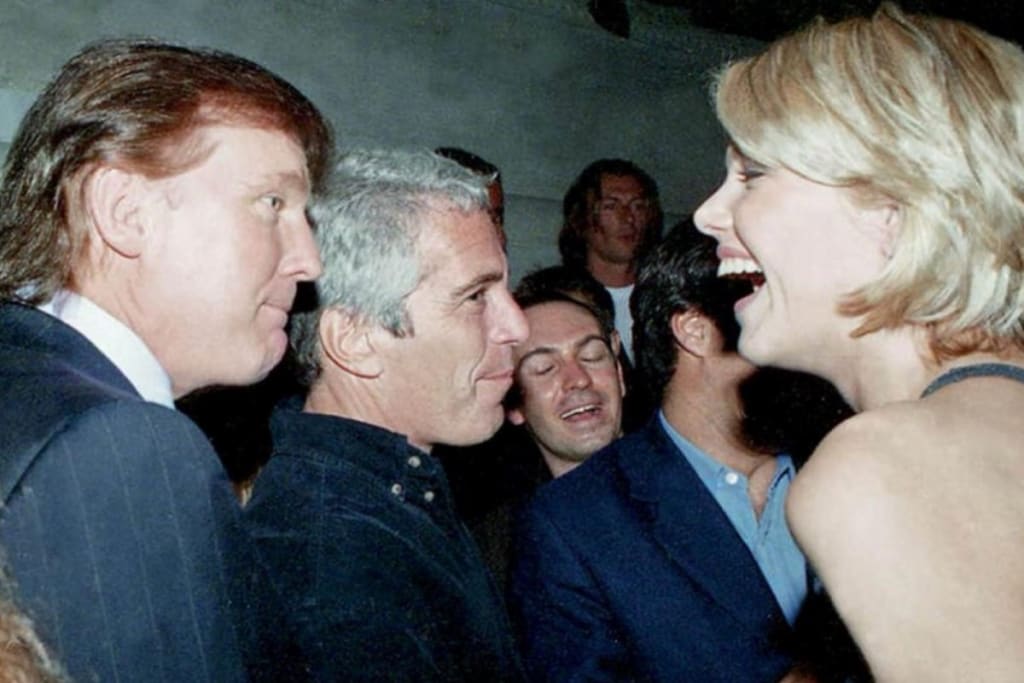
The question “Is Jeffrey Epstein alive?” continues to circulate across social media platforms, online forums, and public discussions years after his reported death in 2019. Jeffrey Epstein, the American financier who was charged with sex trafficking of minors, became the center of one of the most controversial criminal cases in modern U.S. history. His connections to powerful political leaders, business figures, and celebrities fueled widespread speculation. When he died in federal custody on August 10, 2019, the official ruling was suicide. However, doubts and conspiracy theories quickly followed, leading some to ask whether Epstein might still be alive.
This article examines the facts surrounding Epstein’s death, the official findings, and why rumors about his survival persist.
The Official Account of Epstein’s Death
Jeffrey Epstein was arrested in July 2019 on federal charges of sex trafficking minors in Florida and New York. He was held at the Metropolitan Correctional Center (MCC) in Manhattan while awaiting trial. On August 10, 2019, Epstein was found unresponsive in his jail cell. Emergency responders pronounced him dead shortly afterward.
The New York City Office of the Chief Medical Examiner ruled his death a suicide by hanging. The official investigation concluded that Epstein took his own life while alone in his cell. The Department of Justice later stated that serious procedural failures occurred at the jail. Two correctional officers assigned to monitor him reportedly fell asleep and failed to check on him regularly. Surveillance cameras near his cell also malfunctioned, adding to public suspicion.
Despite these irregularities, no credible evidence has emerged to support the claim that Epstein survived or escaped custody.

Why Do Some People Believe Epstein Is Alive?
The belief that Epstein may still be alive stems from several factors:
1. His Powerful Connections
Epstein had relationships with influential individuals across politics, business, academia, and entertainment. These associations raised suspicions that powerful figures might have wanted him silenced to prevent damaging testimony.
2. Jail Security Failures
The reported failures at the correctional facility—sleeping guards, broken cameras, and Epstein being taken off suicide watch days before his death—contributed to doubts about the official narrative. Many found it difficult to believe that such lapses could occur in a high-profile case.
3. Public Distrust in Institutions
In recent years, trust in government institutions has declined in many parts of the world. When controversial events occur, some individuals are quick to question official explanations. Epstein’s case became a symbol of that distrust.
4. Social Media Amplification
Social media platforms often amplify sensational theories. Claims that Epstein faked his death or was secretly relocated to another country spread rapidly online, despite a lack of evidence.
However, speculation is not proof. No verified documents, credible witnesses, or investigative findings support the claim that Epstein is alive.

Investigations and Official Reviews
Following Epstein’s death, multiple investigations were launched. The U.S. Department of Justice’s Office of the Inspector General conducted a review into the circumstances surrounding his death. The report identified serious negligence and misconduct within the facility but did not present evidence of homicide or escape.
Additionally, independent medical examiners supported the official finding of suicide, although one pathologist hired by Epstein’s family suggested that the injuries were more consistent with strangulation than suicide. Despite this disagreement, no conclusive evidence has emerged to overturn the official ruling.
The broader investigation into Epstein’s network continued after his death. His associate, Ghislaine Maxwell, was later convicted on charges related to sex trafficking. This prosecution demonstrated that authorities continued pursuing accountability even after Epstein’s death.
The Psychology Behind Survival Theories
It is important to understand why survival theories gain traction in high-profile cases. When an individual like Epstein dies before standing trial, it leaves many unanswered questions. Victims may feel justice was incomplete. The public may feel that powerful individuals escaped exposure.
In such situations, alternative narratives can provide a sense of explanation. Believing that Epstein is alive may, for some, reflect a deeper frustration about accountability and transparency rather than a belief based on factual evidence.
Conspiracy theories often flourish when events involve secrecy, elite power structures, and institutional failure—elements all present in Epstein’s case.
Is There Any Evidence That Epstein Is Alive?
As of today, there is no credible evidence indicating that Jeffrey Epstein is alive. No official records, financial activity, verified sightings, or investigative findings suggest he survived. Major media organizations, independent investigators, and government agencies have found no proof of a staged death or escape.
While questions about negligence and institutional failure remain valid topics of discussion, they do not equate to proof of survival.
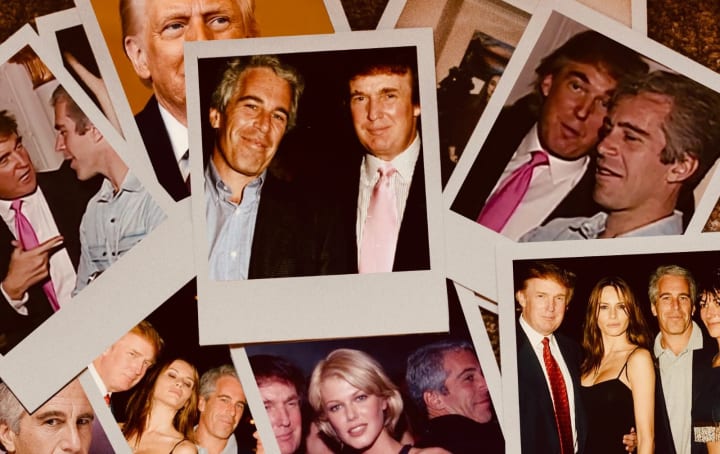
Sub Article: The Impact of Epstein’s Death on Public Trust and Justice
Jeffrey Epstein’s death had consequences far beyond the end of his criminal case. It deeply affected public confidence in the justice system and federal detention procedures.
For many, his death represented a failure of accountability. Victims who had come forward were denied the opportunity to testify at trial. The public was left without courtroom revelations that might have clarified the extent of his network.
The incident also triggered reforms and calls for stricter oversight within federal correctional facilities. It highlighted issues such as understaffing, procedural negligence, and inadequate monitoring of high-risk inmates.
Furthermore, Epstein’s case intensified conversations about power, privilege, and inequality within the legal system. Critics argued that wealthy and influential individuals sometimes receive preferential treatment. Whether justified or not, this perception continues to shape public debate.
The ongoing prosecution of associates like Ghislaine Maxwell showed that investigations did not completely stop with Epstein’s death. Still, many believe the full truth about his connections and activities may never be fully revealed.
Conclusion
The question “Is Jeffrey Epstein alive?” reflects broader concerns about transparency, power, and justice rather than established fact. According to official investigations and available evidence, Jeffrey Epstein died by suicide in federal custody in August 2019. No credible proof supports claims that he survived or escaped.
However, the controversies surrounding his death continue to influence public discourse. They serve as a reminder of the importance of institutional accountability, transparent investigations, and public trust in the justice system.
Until new, verifiable evidence emerges—which has not occurred to date—the factual answer remains clear: there is no evidence that Jeffrey Epstein is alive.
About the Creator
shaoor afridi
“I am a passionate writer dedicated to sharing informative, engaging, and well-researched articles. My goal is to provide valuable content that educates, inspires, and adds real value to readers.”
Keep reading
More stories from shaoor afridi and writers in The Swamp and other communities.
What’s Going On in the World Nowadays?
The world today feels louder, faster, and more divided than ever before. News travels in seconds, crises overlap, and societies are undergoing changes that once took decades to unfold. From political instability and economic pressure to rapid technological growth and shifting social values, humanity is standing at a crossroads. To understand what is truly going on in the world nowadays, we must look beyond headlines and examine the deeper forces shaping our present and future.
By shaoor afridi7 days ago in Earth
The Saddest Thing - The Billionaires Who Rule America Aren't Even Enjoying Themselves
This single post says more about our ruling class than a thousand policy papers. The saddest thing about today's system is that the men robbing the rest of us - sabotaging our economic prospects, our pensions, our access to affordable healthcare - are not even happy.
By Scott Christenson🌴6 days ago in The Swamp
Saudi Arabia Joins Regional Effort to Tackle $7 Billion Annual Waste Crisis
Saudi Arabia has recently joined forces with countries across the Middle East and North Africa (MENA) region—including Morocco, Egypt, Iraq, Iran, and Algeria—to address a persistent and costly problem: the annual $7 billion waste crisis that threatens both environmental sustainability and tourism growth. This regional initiative reflects a broader recognition that economic development, environmental stewardship, and tourism are closely interconnected, especially as nations in the region pursue ambitious visions for 2050.
By Sadaqat Ali3 days ago in The Swamp



Comments
There are no comments for this story
Be the first to respond and start the conversation.