
Khamenei’s Stark Warning: “Any U.S. Attack Means Regional War”
Supreme leader says any US military strike on Iran would ignite a wider Middle East conflict, escalating already fragile regional tensions

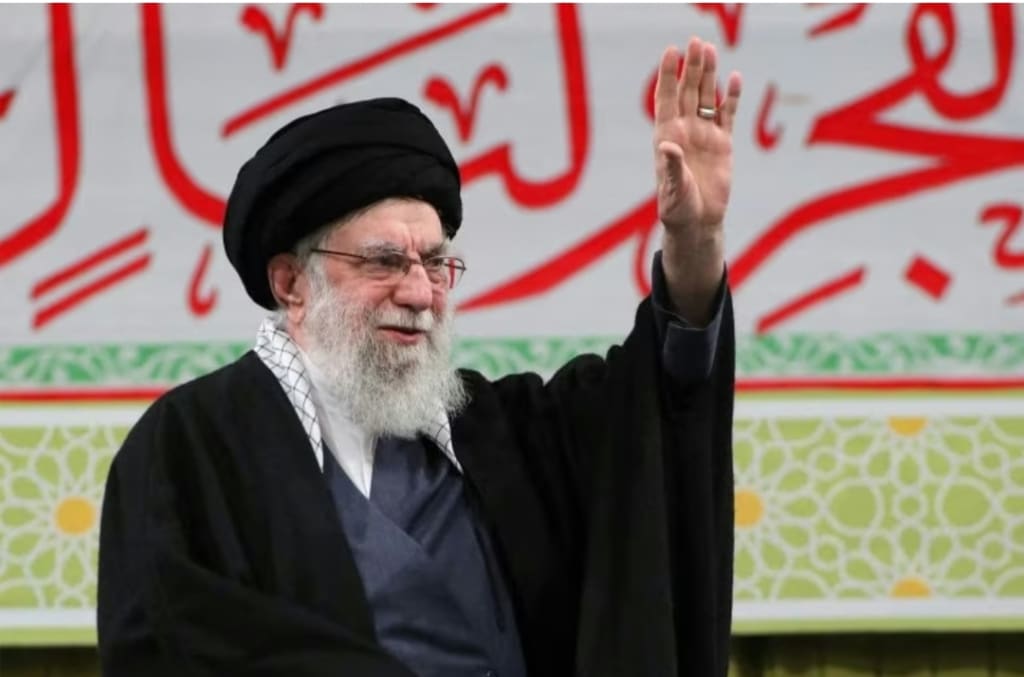
Iran’s Supreme Leader Ayatollah Ali Khamenei has issued one of his strongest statements yet against U.S. military action, warning on 1 February 2026 that any attack on Iran by the United States would ignite a “regional war” across the Middle East. His remarks came amid sharply escalating tensions between Tehran and Washington, marked by military deployments, diplomatic standoffs, and deepening regional unease.
Speaking in Tehran during an event marking the anniversary of Iran’s 1979 Islamic Revolution, Khamenei said the U.S. “should know that if they start a war…” it would spill beyond Iranian borders and engulf the broader region. The 86-year-old cleric sought to underline Iran’s resilience against foreign threats, while reinforcing the message that Washington’s potential strike would have consequences far beyond bilateral conflict.
---
Context: U.S.–Iran Tensions at a Boiling Point
The warning is delivered at a moment of intense geopolitical tension between Iran and the United States. Over recent weeks:
U.S. President Donald Trump has repeatedly threatened Tehran with military action, pushing for a return to nuclear negotiations under conditions Tehran views as unfavorable.
Washington has sent the USS Abraham Lincoln aircraft carrier group, along with destroyers and support vessels, into the Arabian Sea and Persian Gulf as a show of force and deterrence.
Iran has reacted defiantly, emphasizing its right to defend itself while denying any desire to initiate conflict.
These confrontations are occurring as Iran faces domestic unrest — widespread protests against economic hardship and political repression that have posed the most serious internal challenge to the regime in decades. Tehran insists the unrest was instigated by foreign influence, though human rights groups report high casualties among civilians.
---
Tensions Linked to Domestic Unrest
Khamenei framed his warning against the backdrop of what he described as a foreign-influenced “coup attempt” at home. Iranian state media and officials have called recent nationwide protests — sparked initially by economic despair — an attempt to destabilize the Islamic Republic. Khamenei said these events aimed to destroy key institutions of the state and were suppressed.
State media reported that protesters attacked government offices, police, Revolutionary Guard facilities, banks, mosques, and even burned copies of the Quran — incidents Tehran uses to justify its harsh crackdown. Official figures put the death toll in the low thousands, but rights groups and external monitors estimate significantly higher numbers.
This domestic turmoil has shaped Iran’s posture toward external threats. From Tehran’s perspective, U.S. involvement — whether through rhetoric or military positioning — could further destabilize a nation already in crisis.
---
Iran’s Official Position: Defense, Not Initiation
In his speech, Khamenei was keen to frame Iran as defensive rather than aggressive. He reiterated that Iran has no intention of invading another nation, but emphasized that any foreign aggression would be met with a “firm and strong blow.”
This defensive framing serves two purposes:
1. Domestic legitimacy — portraying Iran as the victim of external threats can help rally public support and justify internal policies.
2. International signaling — that Iran is open to negotiation and dialogue, but not at the cost of its sovereignty or defensive capabilities.
Notably, Tehran has stated it remains open to “fair” negotiations with Washington, provided such talks do not undermine Iran’s capacity to defend itself — a stance that reflects its broader diplomatic strategy.
---
International Reactions and Regional Implications
Khamenei’s warning has reverberated across the Middle East and beyond.
U.S. Perspective
The United States has not ruled out military action outright but continues to emphasize diplomatic channels and resolution, even as it reinforces its military presence. President Trump’s administration has hinted at a possible nuclear agreement, suggesting a path that could avert conflict if Iran returns to talks under U.S. conditions.
Regional Allies
Gulf states and other U.S. partners are wary. Some regional governments have signaled concern over the prospect of a broader conflict that could disrupt oil shipments through strategic chokepoints like the Strait of Hormuz — through which a significant share of the world’s oil trade passes.
European Position
The European Union has contributed to the tensions by listing Iran’s Revolutionary Guard as a terrorist organization — a move Tehran retaliated against symbolically. This diplomatic friction complicates efforts to present a unified Western front on Iran.
---
Why This Warning Matters
Khamenei’s comments mark a clear escalation in rhetoric compared with earlier standoffs. By framing any U.S. attack as a trigger for widespread regional conflict, Iran signals that deterrence — not just retaliation — is central to its strategy.
The Middle East already faces numerous fault lines, from Israel-Iran tensions to proxy conflicts in Iraq, Syria, Lebanon, and Yemen. A major confrontation between Washington and Tehran could draw in non-state actors and allied nations, multiplying instability across borders.
In this context, Khamenei’s warning underscores a sobering reality: a direct U.S.–Iran clash — even if limited — could have consequences far beyond Tehran and Washington.
---
Outlook: Diplomacy or Escalation?
Despite the combative rhetoric, there are glimmers of diplomatic engagement. Both Iranian and American officials have alluded to talks aimed at de-escalation — though fundamental disagreements remain, especially over nuclear capabilities, sanctions relief, and regional security roles.
Whether these diplomatic overtures can withstand the pressure of military posturing and deep mistrust is uncertain. What is clear is that Khamenei’s warning has raised the stakes, framing the prospect of conflict not as a localized confrontation but as a potentially region-wide war with far-reaching implications for global peace and security.
About the Creator
Keep reading
More stories from Salaar Jamali and writers in The Swamp and other communities.
Further Decline in Gold and Silver Prices Across Markets
Global markets are witnessing a continued decline in gold and silver prices, as both metals face mounting pressure from a combination of macroeconomic, financial, and regulatory factors. Investors and analysts are noting that the precious metals sector is entering a period of heightened volatility, driven by interest rate trends, speculative selling, and changes in trading regulations, particularly in futures markets.
By Salaar Jamalia day ago in The Swamp
Bill Gates, Elon Musk, and Howard Lutnick Face New Scrutiny Over Epstein Ties
Fresh attention has turned once again to the late financier and convicted sex offender Jeffrey Epstein after newly unsealed court documents and media investigations revived questions about his relationships with some of the world’s most powerful figures, including Bill Gates, Elon Musk, and Howard Lutnick. While none of the individuals has been charged with wrongdoing in connection to Epstein, the renewed scrutiny highlights lingering concerns over accountability, transparency, and the influence Epstein wielded in elite circles. The latest wave of attention follows the release of previously sealed records tied to civil lawsuits and Epstein’s network of associates. These materials include emails, meeting logs, and testimony that shed light on the breadth of Epstein’s connections with business leaders, politicians, and academics before his arrest in 2019 and subsequent death in jail later that year. Bill Gates and Past Meetings Bill Gates has long acknowledged that he met with Epstein several times in the early 2010s, primarily to discuss philanthropy and global health initiatives. Gates has said publicly that those interactions were a mistake and that no partnership or funding arrangement ever resulted from them. In recent reports, documents surfaced that reference Gates in connection with Epstein’s efforts to arrange meetings with scientists and wealthy donors. Some records include unverified claims made by Epstein about Gates’ personal life. Gates’ representatives have strongly denied these allegations, calling them false and misleading. A spokesperson for Gates has reiterated that Epstein never provided funding to the Gates Foundation and that their interactions were limited and brief. Gates himself has stated that he regrets meeting Epstein and has expressed support for investigations into Epstein’s broader network. Elon Musk and Email Exchanges Elon Musk has also been drawn into renewed discussion after emails emerged showing that Epstein attempted to cultivate a relationship with the Tesla and SpaceX chief executive. In one exchange, Epstein appeared to invite Musk to visit his private Caribbean island, which later became infamous as a central location in Epstein’s trafficking operation. Musk has said he never visited the island and did not maintain a close relationship with Epstein. He previously described Epstein as “creepy” and said he declined any meaningful association with him. While the emails show communication between the two, they do not demonstrate criminal activity or participation in Epstein’s crimes. Legal analysts emphasize that being mentioned in Epstein-related documents does not imply guilt. Many of Epstein’s contacts were unaware of the full scope of his criminal conduct at the time, though critics argue that wealthy and influential figures should have exercised greater caution. Howard Lutnick and Renewed Questions Howard Lutnick, a prominent business executive and political figure, has also come under renewed scrutiny following reports that reference his past interactions with Epstein. According to the newly highlighted materials, Epstein claimed to have social connections with Lutnick and arranged meetings involving family members. Lutnick has not been accused of any illegal activity in connection with Epstein, and no charges have been brought against him. However, the resurfacing of these details has led to calls for clarification regarding the nature and timing of his interactions with Epstein. Public reaction has been particularly strong because of Epstein’s extensive efforts to embed himself among political and financial elites, using wealth and influence to gain legitimacy. Broader Impact of the Document Releases The renewed focus on Epstein’s associates comes amid growing pressure from lawmakers and advocacy groups for full transparency in the handling of Epstein-related investigations. Critics argue that too many details remain hidden, and that powerful individuals may have avoided public accountability. At the same time, legal experts caution against drawing conclusions based solely on association. “Epstein deliberately cultivated relationships with famous and wealthy people to enhance his status,” said one former federal prosecutor. “That does not automatically mean those people were complicit in his crimes.” Still, public trust has been shaken by the slow pace of disclosure and the perception that elite figures are treated differently under the law. Public and Political Reaction The renewed scrutiny has fueled debate about the responsibilities of prominent individuals to distance themselves from controversial figures. Social media reactions have ranged from demands for investigations to reminders that none of the named individuals has been charged. Several lawmakers have called for a comprehensive review of Epstein’s contacts and how law enforcement agencies handled earlier complaints about his conduct. Advocacy organizations representing victims say the focus should remain on survivors rather than on celebrity associations. “This is not about headlines,” said one victims’ rights advocate. “It’s about understanding how Epstein was able to operate for so long and who enabled that system, whether knowingly or not.” The Continuing Legacy of the Epstein Case Years after Epstein’s death, his case continues to reverberate through politics, finance, and technology. Each new document release renews public interest and raises questions about how power and privilege intersect with justice. For Gates, Musk, and Lutnick, the current scrutiny underscores how past decisions to associate with Epstein—however limited—continue to affect public perception. While none faces legal consequences from the newly surfaced material, their reputations remain tied to a scandal that refuses to fade from public memory. As journalists and investigators continue to analyze the growing archive of Epstein-related records, more names may emerge, and debates over accountability are likely to intensify. Conclusion The renewed attention on Bill Gates, Elon Musk, and Howard Lutnick highlights the enduring impact of Jeffrey Epstein’s far-reaching network. Though no evidence has surfaced to accuse them of wrongdoing, their past connections are once again under the microscope, reflecting a broader societal demand for transparency and ethical responsibility among the powerful. The Epstein case remains a stark reminder that influence and wealth can shield misconduct for years—and that public scrutiny, however delayed, continues to shape the narrative long after the central figure is gone.Start writing...
By Fiaz Ahmed a day ago in The Swamp
Babar Azam: The Modern Icon of Pakistan Cricket
Babar Azam is not just a cricketer; he is a symbol of consistency, class, and modern-day brilliance in international cricket. Over the last decade, Babar has emerged as one of the finest batsmen in the world, earning respect from fans, critics, and fellow players alike. Representing Pakistan with pride, his elegant batting style and calm leadership have placed him among the elite of world cricket. This article explores Babar Azam’s journey, achievements, challenges, and lasting impact on Pakistan cricket.
By Ayesha Lashari5 days ago in The Swamp
Instructions Included Challenge Winners
For the Instructions Included challenge, we asked writers to tell a story through instructions and to trust the form to carry what could not be said outright. Across the top entries, that trust paid off in many different ways.
By Vocal Curation Team5 days ago in Resources


Comments
There are no comments for this story
Be the first to respond and start the conversation.