
Samsung Galaxy Watch 9 & Ultra 2: The ‘Dual-Chip’ Upgrade That Changes Everything
A powerful leap in performance, battery efficiency, and smart health tracking
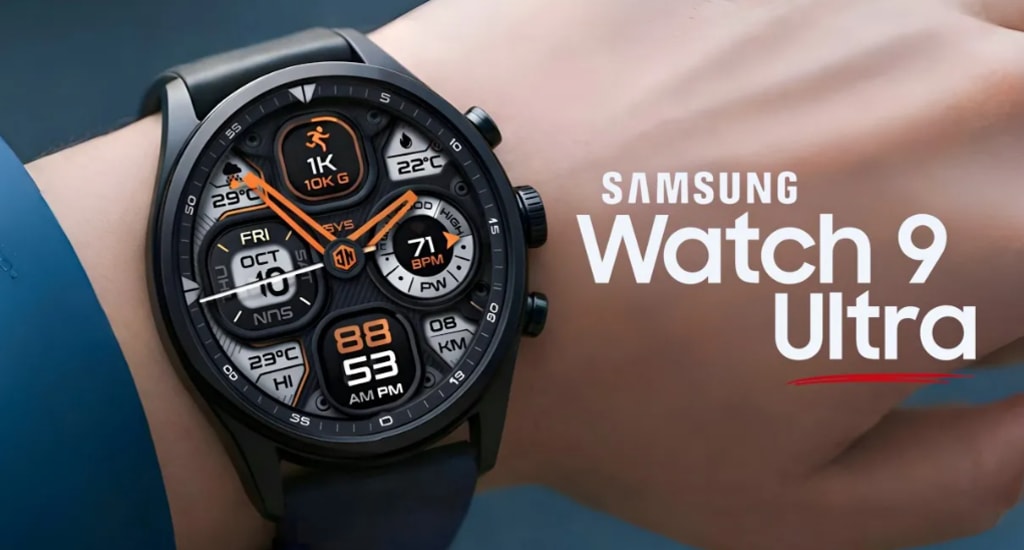
Samsung is once again pushing the boundaries of wearable technology with the rumored Samsung Galaxy Watch 9 and Samsung Galaxy Watch Ultra 2. While design upgrades and new health features are expected, the biggest talking point is something happening inside the device — a revolutionary dual-chip architecture.
If leaks and early reports are accurate, this could be one of the most meaningful smartwatch upgrades in years. Not just faster. Not just smarter. But fundamentally more efficient.
Let’s explore why this matters — and how it could reshape the smartwatch experience.
What Is the Dual-Chip Upgrade?
Traditionally, smartwatches rely on a single main processor to handle everything — apps, health tracking, notifications, GPS, and connectivity. The problem? That chip has to constantly balance performance with battery life.
The rumored dual-chip system in the Galaxy Watch 9 and Ultra 2 changes that dynamic.
Instead of one processor doing all the work, Samsung is reportedly introducing:
🔹 A high-performance chip for demanding tasks (apps, AI features, multitasking)
🔹 A low-power efficiency chip for background tasks (health monitoring, notifications, standby functions)
This separation allows the watch to intelligently switch between processors depending on what you're doing — maximizing power when needed and conserving energy when possible.
In simple terms: More performance, less battery drain.
Why This Is a Big Deal
Smartwatches have always struggled with one main challenge: battery life.
Even premium devices often require daily charging. Advanced features like continuous heart-rate tracking, sleep monitoring, and GPS tracking consume significant power.
A dual-chip system could:
Improve battery life significantly
Deliver smoother app performance
Reduce overheating
Enhance overall responsiveness
For users, this means fewer compromises. You won’t have to disable features just to make it through the day.
Galaxy Watch 9: Smarter Everyday Wearable
The Galaxy Watch 9 is expected to build upon Samsung’s established design language — sleek, circular, and lightweight. But under the hood, the performance jump could be dramatic.
Expected Enhancements:
✔️ Faster app loading
✔️ Improved Wear OS responsiveness
✔️ Smarter AI-powered health insights
✔️ Better sleep tracking accuracy
✔️ Enhanced fitness tracking precision
Samsung has been steadily refining its health ecosystem. With the dual-chip setup, continuous background monitoring — like heart rate variability and stress tracking — could become more accurate without draining the battery.
The result? A smartwatch that feels more seamless and less intrusive.
Galaxy Watch Ultra 2: Built for Power Users
The Ultra line targets athletes, adventurers, and performance-driven users. The Galaxy Watch Ultra 2 is expected to double down on durability and extreme tracking capabilities.
Potential Features:
Advanced GPS precision
Multi-sport tracking modes
Enhanced battery endurance
Rugged, titanium-like design
Brighter outdoor display
With a dual-chip architecture, the Ultra 2 could run intensive tasks like navigation and workout tracking on the high-performance chip, while background processes remain on the efficiency core.
For outdoor enthusiasts, this could mean longer hikes, extended workouts, and fewer charging interruptions.
AI Integration: The Hidden Advantage
Samsung has been investing heavily in AI across its ecosystem. A dual-chip structure opens the door to more intelligent, on-device processing.
Imagine:
Real-time workout feedback
Smarter sleep coaching
Adaptive battery management
Personalized wellness suggestions
Instead of sending everything to the cloud, some AI features could run locally — improving privacy and speed.
That’s where the “changes everything” narrative becomes more believable.
Battery Life: The Ultimate Test
If Samsung executes this properly, battery life could see a noticeable jump.
Instead of the usual 1–2 days, we might see:
2–3 days of moderate usage
Longer endurance in power-saving modes
More efficient always-on display performance
While exact numbers remain speculative, the dual-chip design is clearly engineered to solve one of the biggest pain points in wearable tech.
Competition in the Smartwatch Market
The smartwatch industry is becoming increasingly competitive. Apple, Google, and Garmin continue to refine their offerings.
What makes Samsung’s rumored move significant is its architectural shift. Rather than incremental updates like slightly brighter screens or minor speed boosts, this represents a deeper redesign of how the watch operates internally.
It’s similar to what happened in smartphones when chip efficiency became the central focus of innovation.
If successful, this could set a new industry standard.
Design and Software Expectations
While the internal upgrade grabs attention, Samsung is unlikely to ignore aesthetics and usability.
We can expect:
Refined bezels
Brighter AMOLED display
Updated One UI Watch interface
Smoother gesture navigation
Expanded app ecosystem
Samsung’s integration with Galaxy smartphones will likely remain a strong selling point, offering seamless syncing and health data sharing.
Should You Wait for It?
If you’re currently using an older smartwatch — especially one that struggles with battery life — waiting for the Galaxy Watch 9 or Ultra 2 could be worthwhile.
The dual-chip system suggests this isn’t just another annual refresh. It could represent a generational leap in smartwatch performance and efficiency.
However, until official specifications are confirmed, expectations should remain balanced.
Final Thoughts
The rumored dual-chip upgrade in the Samsung Galaxy Watch 9 and Ultra 2 could mark one of the most meaningful advancements in wearable technology in recent years.
Instead of chasing flashy features, Samsung appears focused on something far more important: efficiency, intelligence, and real-world usability.
If the company delivers on its promise, users may finally experience a smartwatch that feels powerful without sacrificing battery life — smart without being draining.
In a crowded market, sometimes the biggest innovations are the ones happening quietly inside the device.
And this time, that internal change might truly change everything.
About the Creator
Why Black History Matters in America?
The United States of America is celebrating their 250th anniversary in 2026. I'm proud to be an American and as someone who was born here, I wouldn't imagine myself living anywhere else. This is a country where opportunities are possible. Where anyone can be successful in anything they desire to do. Equality, community, and togetherness are the backbones of what America is and should be about. However, we have an administration who wants to erase and disregard those who have made positive, meaningful impacts in our country, specifically Black figures, such as Martin Luther King, Jr., Rosa Parks, and Maya Angelou. President Trump and his administration have been constantly complaining and fighting against what they call the "Woke agenda". They use this excuse as a distraction from other issues they refuse to address, such as the high cost of living, climate change, and inflation. That equality is dividing America, when in reality, it's bringing us together. Being woke is not tied to a specific political party. No matter where you stand on the political spectrum, you can still care about other people and their plights. Compassion and empathy for others isn't tied to a political party, either. We were taught as children to treat others the way we want to be treated and not judge others because they're different from us. Caring about others isn't a personal attack on your beliefs. It doesn't make you any less of a person. People who are easily offended over African American figures, past or present, or anything related to it, are grasping at straws. Current and future generations need to know who people like Harriet Tubman and Shirley Chisholm were, especially in the classroom. Black History is part of American History. It should be recognized, not hidden or forgotten. Besides, you can't shield children from everything, just because your feelings are easily hurt.
By Mark Wesley Pritchard 19 days ago in The Swamp
Pakistan, US Sign Pact to Redevelop New York’s Roosevelt Hotel
Pakistan and the United States have signed a landmark agreement to redevelop the historic Roosevelt Hotel, marking a new phase in bilateral economic and real estate cooperation. The deal aims to transform the long-shuttered property in Midtown Manhattan into a modern, multi-purpose complex while preserving its architectural heritage. Officials from both governments confirmed that the redevelopment project will be carried out through a joint framework involving Pakistan International Airlines’ investment arm and U.S.-based development partners. The Roosevelt Hotel, owned by Pakistan through its national airline, has remained closed since 2020, becoming a symbol of both financial strain and untapped potential. A Strategic Asset Reimagined Located just steps from Grand Central Terminal, the Roosevelt Hotel has long been considered one of Manhattan’s most valuable properties. Built in 1924, it once hosted presidents, film stars, and global dignitaries. However, years of declining tourism and rising operational costs forced its closure during the pandemic. Under the newly signed pact, the site will be converted into a mixed-use facility combining hospitality, residential units, office space, and community services. Project planners say the redevelopment will be aligned with New York City’s evolving urban needs, including housing demand and commercial revitalization. A senior Pakistani official described the agreement as “a breakthrough in unlocking the value of overseas national assets.” He added that the project would generate long-term revenue for Pakistan while strengthening commercial ties with the United States. Economic and Diplomatic Significance The agreement reflects improving economic cooperation between Pakistan and the United States, particularly in investment and infrastructure sectors. Analysts say the Roosevelt redevelopment could serve as a model for future public-private partnerships involving foreign-owned properties in major U.S. cities. U.S. officials welcomed the move, emphasizing that the project would bring new jobs and stimulate local business activity in Midtown Manhattan. Construction and renovation work is expected to employ hundreds of workers over the next several years, with long-term positions created once the complex becomes operational. “This project represents confidence in New York’s recovery and in international collaboration,” said a city development spokesperson. Financial Recovery for Pakistan For Pakistan, the Roosevelt Hotel has been a financial burden in recent years. Losses linked to maintenance and missed commercial opportunities prompted debates over whether the asset should be sold outright or leased to developers. The new pact avoids a full sale, instead opting for redevelopment under a long-term lease and revenue-sharing model. Officials familiar with the agreement said Pakistan would retain ownership while benefiting from steady income generated through commercial operations. This approach, they argue, protects a strategic overseas asset while addressing fiscal pressures faced by Pakistan’s aviation and tourism sectors. The deal also aligns with Islamabad’s broader strategy to monetize state-owned assets and attract foreign investment without sacrificing national ownership. Preservation and Modernization Urban planners involved in the project have pledged to preserve key elements of the Roosevelt Hotel’s historic façade and interior design. At the same time, the complex will be upgraded with modern energy systems, digital infrastructure, and safety features. Community leaders in New York City have expressed cautious optimism, urging developers to ensure that the redevelopment includes public spaces and affordable housing components. City authorities say discussions are underway to integrate social and environmental priorities into the final design. Timeline and Next Steps The redevelopment is expected to begin after regulatory approvals and design finalization, which could take up to a year. Initial projections suggest phased construction over three to five years, depending on market conditions and financing arrangements. Joint oversight committees from both countries will monitor progress and ensure compliance with contractual and legal frameworks. Transparency provisions have been included to address past concerns about the management of overseas state assets. A Symbol of Renewal Beyond bricks and mortar, the Roosevelt Hotel redevelopment carries symbolic weight. Once a beacon of glamour and later a reminder of pandemic-era decline, the property is now positioned as a sign of renewal and cooperation between two longtime partners. As one official noted, “This is not just about a building. It is about restoring value, confidence, and trust in shared economic ventures.” If successful, the project could redefine how governments manage overseas assets and set a precedent for collaborative urban redevelopment in global cities.
By Fiaz Ahmed a day ago in The Swamp



Comments
There are no comments for this story
Be the first to respond and start the conversation.