
Saudi Arabia Suspends 1,800 Umrah Travel Agencies Due to Poor Performance
A sweeping reform aimed at improving pilgrimage services and protecting pilgrims’ rights

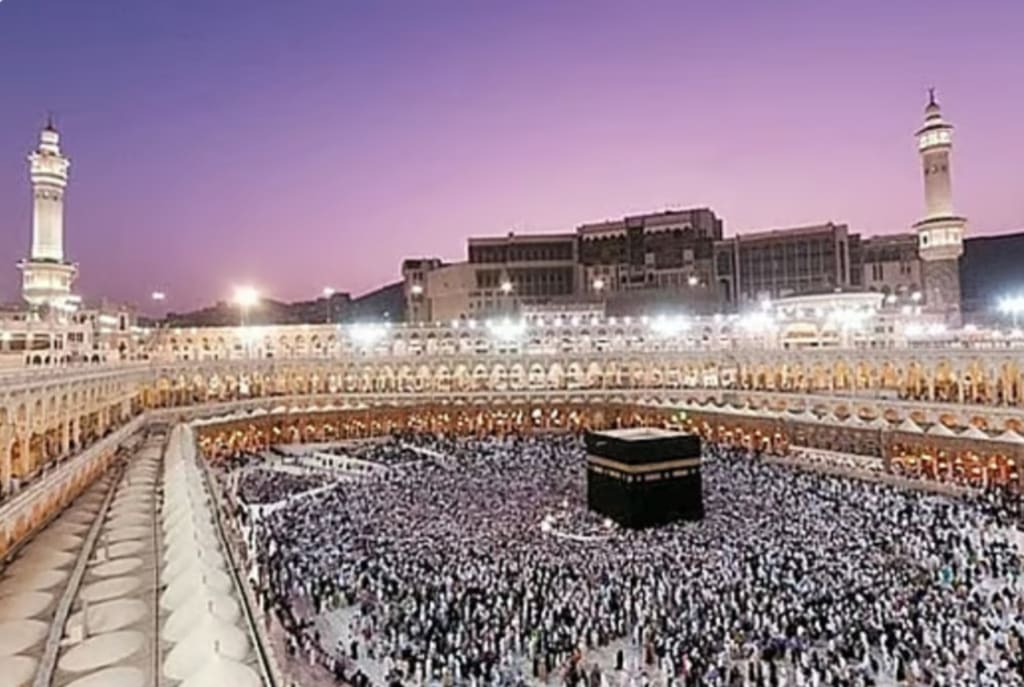
In an unprecedented regulatory move, Saudi Arabia’s Ministry of Hajj and Umrah has suspended contracts with 1,800 foreign travel agencies involved in organizing Umrah pilgrimages, citing poor performance and non-compliance with service quality standards. The decision, announced in early February 2026, marks one of the most significant actions taken by Saudi authorities in recent years to overhaul and strengthen oversight of travel operators serving millions of pilgrims from around the world.
Scale of the Suspension: Nearly One-Third of Agencies Affected
Out of roughly 5,800 foreign travel agencies registered to serve Umrah pilgrims, contracts with about 1,800 agencies have been temporarily suspended after a routine performance evaluation revealed widespread shortcomings in service delivery and failure to meet the approved classification standards set by the Ministry.
This means nearly one-third of all foreign agencies involved in Umrah services are currently impacted, underscoring the seriousness of the compliance gaps identified. The evaluation examined multiple aspects of agency performance, including booking accuracy, accommodation arrangements, transport logistics, customer support, and adherence to regulatory requirements designed to ensure safe and seamless pilgrim experiences.
Grace Period for Compliance and Reinstatement Option
In a move that echoes regulatory reforms rather than punitive action, the Ministry has granted the suspended agencies a 10-day grace period to address the deficiencies identified during audits. Agencies that successfully meet the required standards within this timeframe will have their contracts reinstated and can resume issuing new Umrah visas.
The temporary nature of the suspension reflects the government’s broader objective: to encourage compliance and raise the overall quality of services, rather than permanently shutting down operators who can improve their operations. Ministry officials emphasized that this approach aligns with Saudi Arabia’s commitment to transforming religious tourism and ensuring every pilgrim’s journey is safe, efficient, and spiritually fulfilling.
Pilgrims Not Impacted — for Now
Importantly, Saudi authorities have assured that pilgrims who already hold valid visas or have confirmed bookings will not be affected by the suspension. These individuals will continue to receive services as originally planned, including hotel arrangements, guided tours, and transportation, without interruption.
This directive aims to maintain stability for ongoing and upcoming pilgrimages, particularly at a time when global travel for Umrah remains high throughout the Islamic calendar, and millions of worshippers depend on these services each year.
Why the Suspension? Performance Standards Under Scrutiny
The ministry’s evaluation highlighted broad compliance issues and performance deficiencies — ranging from inaccurate booking confirmations to inadequate support for pilgrims on arrival. Such shortcomings not only undermine trust in travel operators but risk disrupting the spiritual experience of worshippers, many of whom travel long distances and invest significant resources to perform Umrah.
Officials, including Ministry spokesperson Ghassan Alnwaimi, stressed that enforcing approved classification indicators and performance benchmarks is essential to protecting pilgrims’ rights and ensuring that services meet the Kingdom’s regulatory standards. Agencies that fail to remedy identified gaps within the specified deadline will face further regulatory action.
This crackdown also fits within the broader regulatory tightening trend led by the Saudi government, which has been increasingly focused on quality control in sectors that impact tourism, commerce, and religious services. Analysts say ensuring higher service standards improves Saudi Arabia’s global reputation as a destination for religious travel and supports long-term goals for sustainable tourism.
Context: Umrah’s Growing Global Importance
Umrah — the lesser pilgrimage performed outside of the Hajj season — attracts millions of Muslims worldwide each year, particularly from Asia, Africa, Europe, and the Middle East. Unlike Hajj, which has an annual set quota and specific dates, Umrah can be performed year-round, making it a cornerstone of Saudi Arabia’s religious tourism sector.
Since the post-COVID travel recovery and modernization of visa procedures, the number of pilgrims performing Umrah has surged, with Saudi authorities continuously updating digital platforms such as Nusuk to streamline bookings, time-slot scheduling, and service coordination. These reforms have significantly increased the volume of pilgrims and placed greater responsibility on travel agencies to deliver reliable, compliant services.
Quality Assurance and Pilgrim Protection
The ministry’s actions demonstrate a zero-tolerance stance on substandard service providers and reflect a desire to instill greater accountability in the travel ecosystem. By emphasizing monitoring and performance evaluations, the Ministry aims to ensure that pilgrims — especially first-time and elderly worshippers — are not subjected to inadequate arrangements or misleading information by unscrupulous operators.
This push for quality also dovetails with Saudi Vision 2030’s broader goals to elevate tourism, improve service delivery, and enhance the overall experience for visitors — whether for religious observance, leisure, or cultural exploration.
Looking Ahead: A More Regulated Future
Saudi Arabia’s decision to suspend 1,800 Umrah travel agencies is both a wake-up call and an opportunity. For travel operators, it signals the importance of compliance, transparency, and professionalism in serving pilgrims. For worshippers, it offers reassurance that the Kingdom is committed to safeguarding their rights and enhancing the quality of services offered during their sacred journey.
As the Umrah season continues, the eyes of the global Muslim community will be on how swiftly and effectively the affected agencies adapt to these reforms, and whether this regulatory push will usher in a new era of reliability and excellence in religious tourism services.
About the Creator
Keep reading
More stories from Salaar Jamali and writers in The Swamp and other communities.
Gold Dives and Silver Crashes, Extending Sell-Off in Precious Metals After Historic Plunge
The precious metals market is undergoing one of its most dramatic reversals in decades as gold dives and silver crashes, extending a brutal sell-off that began after a historic plunge. Once seen as the ultimate safe-haven assets amid global uncertainty, both metals have suffered sharp losses, rattling investors and forcing a rethink of bullish assumptions that dominated markets only weeks ago.
By Salaar Jamaliabout 10 hours ago in The Swamp
As Ukraine Accuses Russia of Terrorism With Deadly Strike on Train, Is Starlink Helping Moscow Target Civilians?
A deadly missile strike on a civilian train in eastern Ukraine has reignited global outrage and deepened accusations that Russia is deliberately targeting civilians. Ukrainian officials have labeled the attack an act of terrorism, claiming the train was clearly marked as a civilian transport route. But beyond the immediate horror of the strike, a new and unsettling question has emerged: could satellite technology such as Starlink be indirectly enabling Russia’s targeting capabilities?
By Sajida Sikandar5 days ago in The Swamp




Comments
There are no comments for this story
Be the first to respond and start the conversation.