
Shifting The Paradigm
A spiritual call to retire capitalism and implement more love.

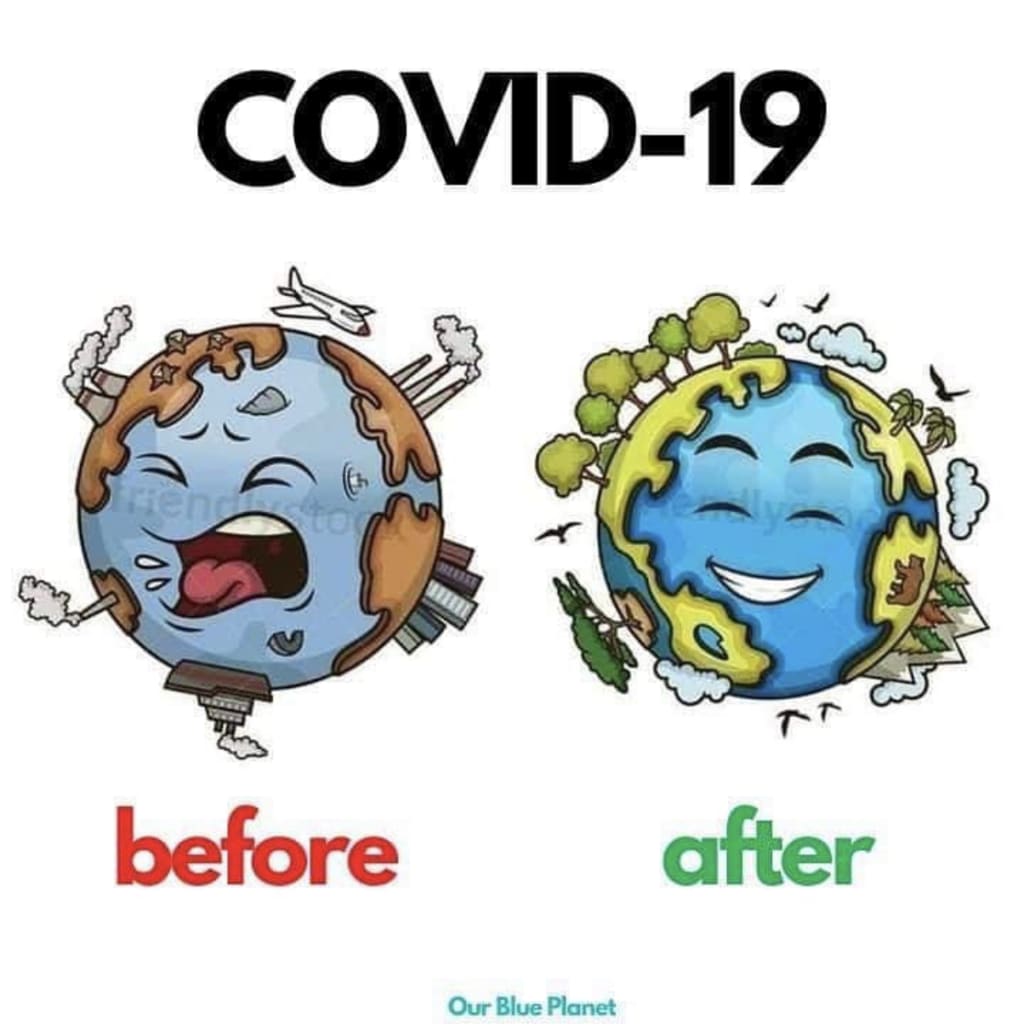
The structures that we’ve so heavily relied on to keep everything afloat is no longer suffice and Spirit has asked us all to use this time to reflect on how those structures have elicited behaviors of egoism.
Egoism: an ethical theory that treats self-interest as the foundation of morality.
Interestingly enough, the systems we currently have in place avows for societal repression and further insist on the notion that greed & self-centeredness is the way. When coupled with systematic processing, egotism becomes Capitalism and as of now, we are unnecessarily suffering from its affects.
Capitalism works primarily on fear based living and acts on the belief that everything is limited. This framework is what keeps us at soul-sucking jobs, living in debt, paying taxes, identifying social classes, etc. During this time of isolation, I've come to personally recognize particular instances where companies and Government officials alike are bending rules, agendas and objectives that seemingly would enable 'negative impact' towards its workers and business models (or the reason why they created them in the first place). Exceptions to a 'no work from home' rule are in fact being ruled out and in the case of limited state funds, well, we'll see just how 'limited' the state claims to be.
Kind of makes you think -- how justifiably inapt these 'rules' are anyway? Are these rules created purposefully, are they made up? Are these rules just for the sake of selfish preservation?
In the coming weeks, I think we'll see just how permissive the guidelines are going to get. Either way, there seems to some merit towards the makeup of the impediments society so naively follows. Makes some question how viable the capital direction really is.
To continue to stick to a made up system of rules is to curate your own suffering. -- Amber Jessup
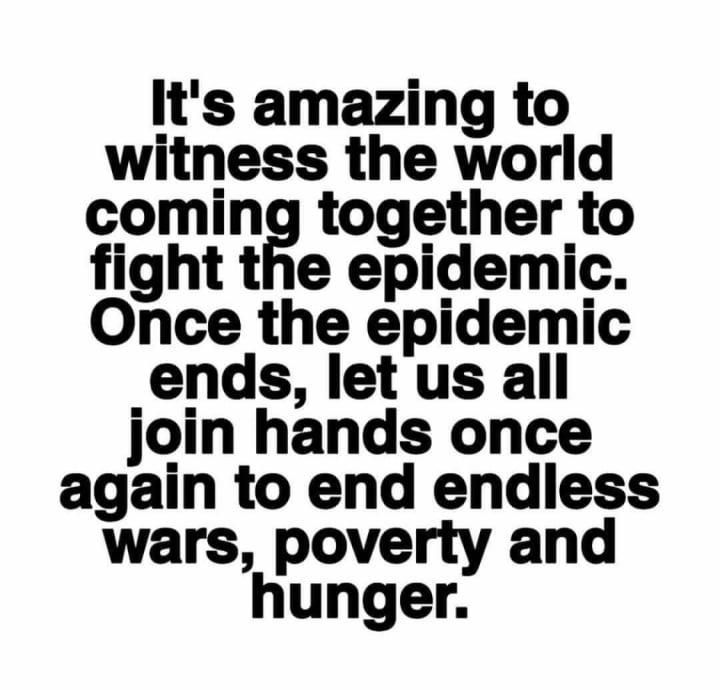
Although detrimental, the Corona virus has single-handily unveiled how feeble, flawed and unethical the paradigm is in which we lived in. It's the 'rules' of it all that constitutes in what I call fear feeding and strangely ties into making people grab a shit load of toliet-tissue at the stores. No pun intended.
Despite limiting constructs, I'm proud that we are all awakening to the real and true guideline of them all-- we all are ONE- no matter race or religion, social class or status.
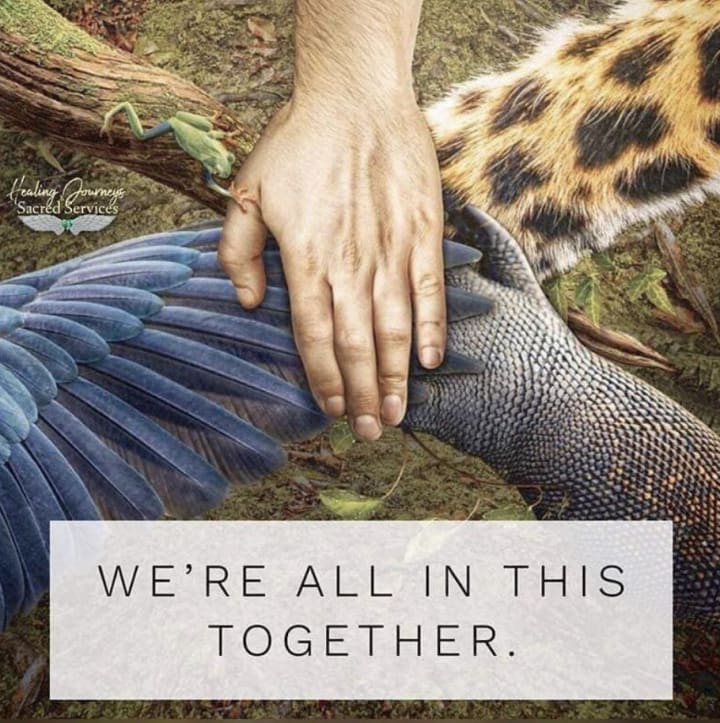
Spirit wants us to keep in mind that there is enough and that we are fully supported.
It's time to retire the old way of thinking.
Let’s get back to LOVE.
About the Creator
Amber Jessup
Im not a writer or a story-teller but I have a story to tell....maybe I'm a story-sharer.
From my experience to yours -- Amber.
Keep reading
More stories from writers in The Swamp and other communities.
Why Black History Matters in America?
The United States of America is celebrating their 250th anniversary in 2026. I'm proud to be an American and as someone who was born here, I wouldn't imagine myself living anywhere else. This is a country where opportunities are possible. Where anyone can be successful in anything they desire to do. Equality, community, and togetherness are the backbones of what America is and should be about. However, we have an administration who wants to erase and disregard those who have made positive, meaningful impacts in our country, specifically Black figures, such as Martin Luther King, Jr., Rosa Parks, and Maya Angelou. President Trump and his administration have been constantly complaining and fighting against what they call the "Woke agenda". They use this excuse as a distraction from other issues they refuse to address, such as the high cost of living, climate change, and inflation. That equality is dividing America, when in reality, it's bringing us together. Being woke is not tied to a specific political party. No matter where you stand on the political spectrum, you can still care about other people and their plights. Compassion and empathy for others isn't tied to a political party, either. We were taught as children to treat others the way we want to be treated and not judge others because they're different from us. Caring about others isn't a personal attack on your beliefs. It doesn't make you any less of a person. People who are easily offended over African American figures, past or present, or anything related to it, are grasping at straws. Current and future generations need to know who people like Harriet Tubman and Shirley Chisholm were, especially in the classroom. Black History is part of American History. It should be recognized, not hidden or forgotten. Besides, you can't shield children from everything, just because your feelings are easily hurt.
By Mark Wesley Pritchard 14 days ago in The Swamp




Comments
There are no comments for this story
Be the first to respond and start the conversation.