
Spanish Hornets Intercept Russian Navy Su-30SM With a Rare Weapon Loadout Over the Baltic
Incident highlights rising military tension and strategic air patrol importance in Europe
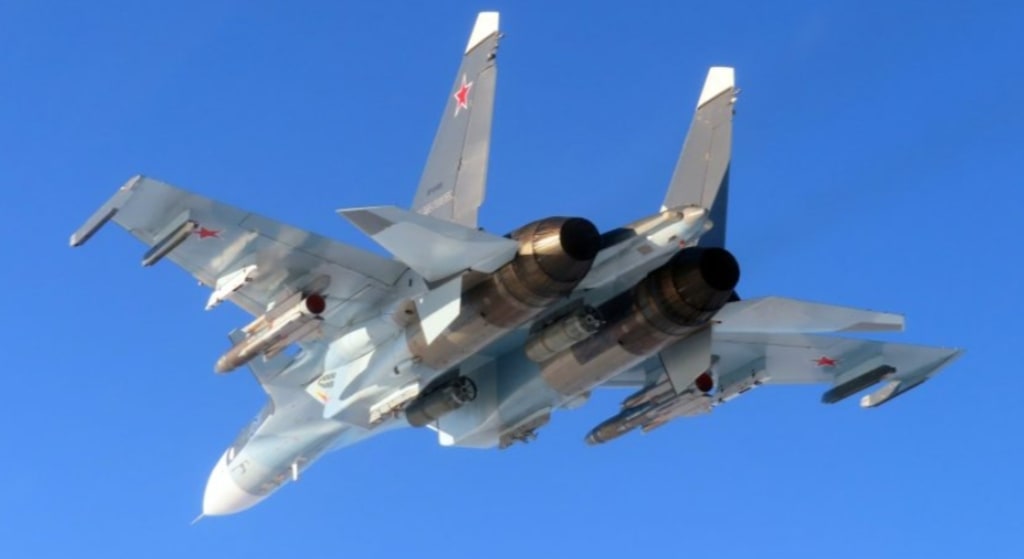
Spanish Air Force F/A-18 Hornet fighter jets reportedly intercepted a Russian Navy Su-30SM fighter aircraft flying over the Baltic region, drawing attention due to the Russian jet’s reportedly rare weapon configuration. The incident highlights the continued military monitoring activity over European airspace and reflects ongoing geopolitical tensions between NATO members and Russia.
Military interceptions are not uncommon in sensitive airspaces such as the Baltic region. However, when aircraft are spotted carrying unusual or rare weapon loadouts, it often attracts additional attention from defense analysts and international observers.
The Baltic Region: A Strategic Military Zone
The Baltic Sea region is considered one of Europe’s most sensitive security zones. NATO member states frequently patrol the airspace to monitor unidentified or foreign military aircraft operating near alliance territory.
The region’s importance comes from:
Its proximity to Russia
NATO member states surrounding the Baltic Sea
Major shipping routes and energy infrastructure
Strategic military positioning
Air policing missions in the Baltic are conducted regularly by rotating NATO member air forces, including Spain.
Spain’s Role in NATO Air Policing
Spain participates in NATO’s Baltic Air Policing mission, which involves deploying fighter aircraft to monitor and protect NATO airspace. These missions help ensure rapid response to unidentified aircraft and maintain airspace security.
Spanish F/A-18 Hornets are multi-role fighter jets capable of:
Air-to-air combat
Interception missions
Airspace patrol
Ground attack if necessary
These aircraft are widely used across NATO due to their reliability and combat versatility.
The Russian Su-30SM: A Capable Multi-Role Fighter
The Su-30SM is a highly advanced Russian twin-engine fighter jet designed for both air superiority and strike missions. It is operated by the Russian Navy and Air Force.
Key capabilities of the Su-30SM include:
Long-range operational capability
Advanced radar and targeting systems
High maneuverability
Ability to carry multiple missile types
The aircraft is considered one of Russia’s most capable frontline fighter platforms.
Why the Weapon Loadout Matters
Reports of a rare weapon loadout on the intercepted aircraft have raised questions among defense analysts. While military aircraft often carry standard configurations, unusual loadouts can signal specific mission types or training exercises.
Possible reasons for rare loadouts include:
Specialized training missions
Strategic signaling
Testing new weapon configurations
Operational readiness demonstrations
However, without official confirmation, interpretations remain speculative.
How Military Interceptions Typically Work
Military interceptions follow strict international procedures designed to avoid escalation.
Typical interception steps include:
Identification of aircraft via radar
Visual confirmation by fighter jets
Radio communication attempts
Escorting aircraft away from restricted airspace if needed
Most interceptions are routine and do not lead to conflict.
NATO and Russia: Ongoing Military Tensions
Military air encounters between NATO and Russian aircraft have increased in recent years. Both sides conduct frequent patrols and exercises.
Key drivers of tension include:
Military exercises near borders
Strategic signaling between alliances
Airspace monitoring operations
Defense readiness demonstrations
Despite tensions, both sides typically avoid direct confrontation.
The Importance of Airspace Monitoring
Airspace monitoring plays a critical role in national and alliance security. It helps detect:
Unauthorized military aircraft
Potential reconnaissance activity
Security threats to infrastructure
Military movements in sensitive regions
Early detection helps prevent escalation and maintains strategic balance.
Global Reaction to Military Air Incidents
Military interceptions often attract international media attention because they can signal shifts in geopolitical relationships.
Governments often respond carefully to avoid unnecessary escalation while maintaining defense readiness.
The Broader Security Context in Europe
The interception reflects broader security concerns across Europe. Many countries have increased defense spending and military readiness due to ongoing geopolitical uncertainty.
European defense strategies now focus heavily on:
Rapid response capabilities
Air defense modernization
Intelligence sharing
Joint military exercises
These efforts are designed to strengthen regional stability.
What Happens Next?
Most military interception incidents end without further escalation. However, defense analysts often monitor patterns of military activity to understand strategic trends.
Future monitoring may focus on:
Frequency of similar flights
Changes in weapon configurations
Shifts in patrol routes
Military exercise patterns
These factors help analysts assess regional security risks.
Why This Incident Matters Globally
Even routine military interceptions matter because they reflect the current state of global security relationships. Military signaling, presence, and readiness all influence diplomatic and defense strategies.
For global observers, such incidents provide insight into military priorities and geopolitical dynamics.
Conclusion
The interception of a Russian Navy Su-30SM by Spanish Hornets over the Baltic highlights the continued importance of airspace monitoring and military readiness in a sensitive geopolitical region. While such interceptions are often routine, reports of rare weapon configurations add additional interest and raise strategic questions.
As NATO and Russia continue to operate in close proximity across European airspace, maintaining communication protocols and monitoring operations will remain essential to preventing misunderstandings and ensuring regional stability. The incident serves as a reminder of how military presence, technology, and geopolitical strategy remain closely connected in today’s security environment.
About the Creator
Keep reading
More stories from Aarif Lashari and writers in The Swamp and other communities.
Trump Announces India-US Trade Deal ‘Effective Immediately’ With Reduced Tariff Plans
newly announced trade agreement between the United States and India, described as “effective immediately,” has sparked global attention as it promises reduced tariffs and expanded economic cooperation between two of the world’s largest economies. The announcement, attributed to former U.S. President Donald Trump, suggests a renewed focus on strengthening trade partnerships, improving supply chains, and boosting bilateral economic growth.
By Aarif Lashariabout 5 hours ago in The Swamp



Comments
There are no comments for this story
Be the first to respond and start the conversation.