
Switzerland to Vote on Capping Population at 10 Million
Swiss citizens prepare to vote on a controversial initiative that could cap the country’s population at 10 million, sparking debates on immigration, housing, and economic growth.
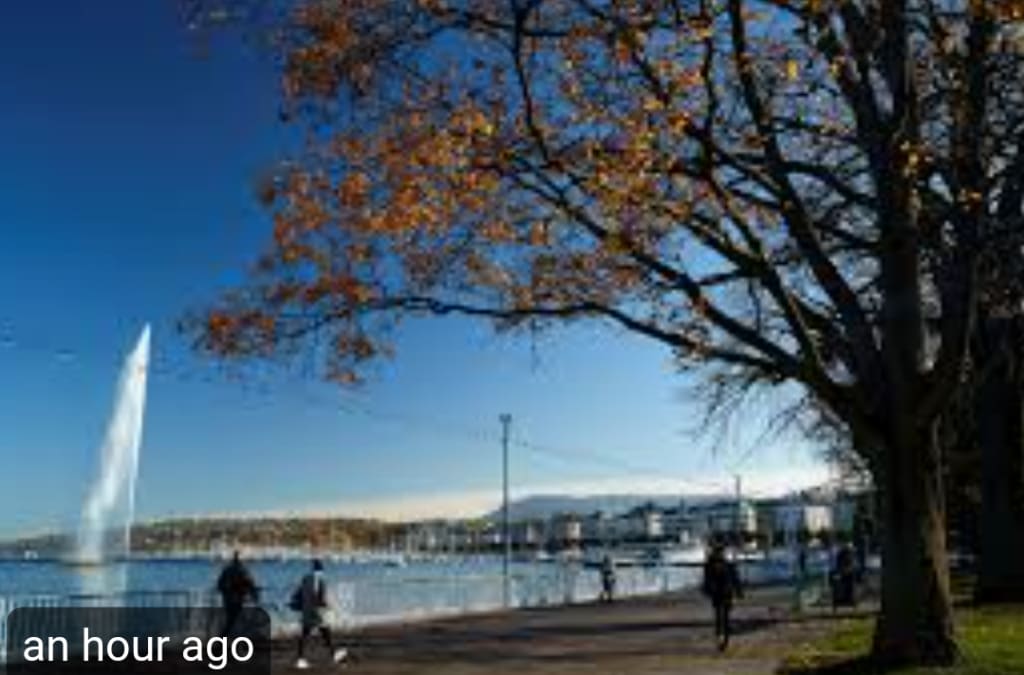
Switzerland, often celebrated for its scenic landscapes, efficient infrastructure, and strong economy, is now facing a political and social crossroads. Citizens are set to vote on a proposal that would limit the country’s population to 10 million, a measure that has ignited national debate and caught international attention.
The referendum comes as Switzerland continues to experience population growth, primarily driven by immigration, and grapples with housing shortages, rising living costs, and environmental concerns.
The Proposal: What It Means
The initiative, officially titled the “Population Cap Initiative”, proposes to restrict Switzerland’s total population to 10 million people. Once the threshold is reached, the government would implement measures to limit immigration, effectively slowing population growth through legal caps and administrative controls.
Supporters argue that such a cap is necessary to protect the environment, manage housing shortages, and preserve Switzerland’s quality of life. Critics, however, warn that this measure could hurt the economy, limit workforce growth, and isolate the country from global talent and innovation.
Population Growth in Switzerland
Switzerland’s population has steadily increased over the past decades. As of 2026, estimates suggest the population is around 8.7 million, with projections indicating it could exceed 10 million by 2035 if current trends continue.
Much of this growth comes from immigration, particularly from neighboring European Union countries, skilled professionals from abroad, and asylum seekers. Cities like Zurich, Geneva, and Basel have felt the pressure on housing, transportation, and public services, fueling support for population control measures.
Arguments in Favor of the Cap
Proponents of the initiative highlight several reasons for limiting population growth:
Housing Pressure – Swiss cities face a shortage of affordable housing. Limiting population could reduce demand and stabilize housing costs.
Infrastructure and Services – Schools, hospitals, and public transport systems are under strain in high-density areas. Population control could ease these pressures.
Environmental Concerns – A growing population increases carbon emissions, land use, and resource consumption, challenging Switzerland’s sustainability goals.
Quality of Life – Citizens in urban areas often face longer commutes and crowded public spaces, and supporters believe a cap could preserve the Swiss standard of living.
Supporters have also framed the vote as protecting Swiss identity and culture, emphasizing that rapid population growth could strain social cohesion.
Opposition and Criticism
Opponents warn that a population cap could have serious economic consequences. Switzerland relies heavily on immigrants for sectors like healthcare, IT, finance, and construction, and limiting the workforce could hinder growth.
Critics argue:
Economic Impact – Restricting immigration could lead to labor shortages, slowing innovation and business expansion.
International Relations – Switzerland has close ties with the EU. Strict population limits may strain diplomatic and trade relations.
Humanitarian Concerns – Caps could affect asylum seekers and refugees, raising ethical questions about Switzerland’s role in global migration.
Economists also caution that Switzerland’s aging population requires young, skilled immigrants to maintain economic stability and fund social services like pensions and healthcare.
Public Opinion
The initiative has polarized Swiss society. Surveys suggest that while urban areas tend to oppose strict population limits, rural regions with slower growth and limited infrastructure are more supportive.
Public debates have focused on balancing environmental sustainability, social cohesion, and economic competitiveness. Many citizens are asking: Can Switzerland grow responsibly without sacrificing its high quality of life?
Government and Political Reactions
Swiss federal authorities have not endorsed the initiative, emphasizing that immigration has historically benefited the country and that a strict cap could create more problems than it solves.
Political parties are divided:
Right-leaning parties tend to support the cap, citing national sovereignty and environmental protection.
Center and left-leaning parties oppose it, stressing economic growth, international cooperation, and humanitarian obligations.
The government has also promised to educate voters on the potential economic, social, and demographic impacts of the referendum.
Comparisons With Other Countries
Switzerland is not alone in grappling with population and immigration policies. Countries like Japan and Singapore face challenges with aging populations and slow growth, while some European nations debate how to manage migration effectively.
What makes Switzerland’s case unique is the direct democracy system, where citizens vote on policy measures, giving them the power to directly shape population and immigration policy.
Implications of a Population Cap
If approved, the 10 million population cap could lead to:
Stricter immigration laws and visa limits
Potential economic slowdowns in sectors dependent on foreign labor
New policies for urban planning, housing, and resource management
Ethical and diplomatic debates regarding migration and international relations
Opponents warn that while it may alleviate short-term infrastructure and housing pressures, the long-term consequences for the economy and international reputation could be significant.
Looking Ahead: The Vote
Swiss citizens are expected to cast their ballots later this year. Analysts predict a close result, given the strong arguments on both sides.
Voters will need to weigh:
Environmental sustainability vs. economic growth
Quality of life vs. workforce needs
National identity vs. international cooperation
The outcome will not only impact Switzerland’s population trajectory but may also serve as a global case study in how democracies address population growth, migration, and urban planning.
Final Thoughts
The vote on capping Switzerland’s population at 10 million highlights the complex intersection of economics, social policy, and sustainability. Citizens must balance the desire to protect resources and quality of life with the need to maintain economic strength and international engagement.
No matter the outcome, the referendum demonstrates that population and immigration remain central challenges for modern nations, and Switzerland’s decision will be watched closely by policymakers and analysts worldwide.
About the Creator
The Saddest Thing - The Billionaires Who Rule America Aren't Even Enjoying Themselves
This single post says more about our ruling class than a thousand policy papers. The saddest thing about today's system is that the men robbing the rest of us - sabotaging our economic prospects, our pensions, our access to affordable healthcare - are not even happy.
By Scott Christenson🌴7 days ago in The Swamp
10 Countries With the Most Billionaires in 2025–26: Where Does India Rank?
The world’s billionaires have always captured our imagination. From tech innovators to industrial moguls, these individuals don’t just hold immense wealth—they shape industries, influence economies, and sometimes even politics. But have you ever wondered which countries produce the most billionaires? And more importantly, where does India stand in this elite club in 2025–26?
By Aqib Hussain2 days ago in The Swamp




Comments
There are no comments for this story
Be the first to respond and start the conversation.