activism
Grassroots campaigns have proven instrumental in bringing about political, social or environmental change; you've got to start somewhere-might as well start here.
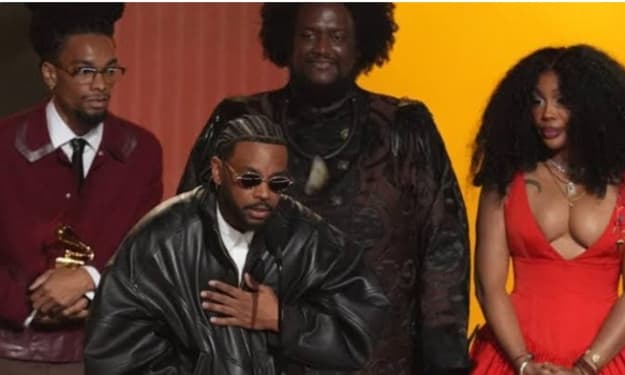
Grammy Awards 2026: A Night That Redefined Global Music. AI-Generated.
The Grammy Awards 2026 were not just another celebration of music — they were a statement. Held on February 1, 2026, in Los Angeles, the 68th Annual Grammy Awards marked a turning point in the history of global music. From Spanish-language albums winning top honors to genre-defying artists dominating the night, the ceremony reflected how deeply music has evolved beyond borders, language, and tradition. This year’s Grammys proved one thing clearly: music is no longer confined to one culture, one sound, or one language. Bad Bunny Makes History with Album of the Year Album of the Year Debí Tirar Más Fotos – Bad Bunny The most talked-about moment of the night came when Bad Bunny won Album of the Year, becoming the first artist to ever win the award with a Spanish-language album. This win was more than a personal achievement — it was a cultural milestone. Debí Tirar Más Fotos blends reggaeton, Latin pop, and emotional storytelling, resonating with millions across the world. The album’s success sent a powerful message: global audiences are ready to embrace music in any language, as long as it is authentic and meaningful. Bad Bunny’s victory symbolized the growing influence of Latin music and the breaking of long-standing barriers within the Recording Academy. Record of the Year: A Powerful Collaboration Record of the Year “Luther” – Kendrick Lamar & SZA Kendrick Lamar and SZA’s collaboration “Luther” earned Record of the Year, and rightfully so. The track stood out for its deep lyrical content, smooth production, and emotional intensity. Kendrick Lamar has long been known for blending social commentary with artistic excellence, and “Luther” continued that legacy. Paired with SZA’s soulful vocals, the song became one of the most impactful releases of the year, proving that meaningful music still has a strong place in mainstream success. Song of the Year: Billie Eilish’s Emotional Brilliance Song of the Year “Wildflower” – Billie Eilish Billie Eilish once again demonstrated why she is one of the most influential artists of her generation. Winning Song of the Year for “Wildflower,” Billie captured raw emotion, vulnerability, and poetic simplicity in a way few artists can. The song’s minimalist production and heartfelt lyrics connected deeply with listeners, reinforcing the idea that emotional honesty often outshines overproduction. “Wildflower” became an anthem for self-reflection and growth, earning both critical acclaim and fan admiration. Best New Artist: Olivia Dean Shines Best New Artist Olivia Dean The Best New Artist award went to Olivia Dean, a rising star whose soulful voice and elegant songwriting set her apart from the crowd. Her win marked the arrival of a fresh and promising talent in the industry. Olivia Dean’s music blends classic soul with modern pop sensibilities, offering something both nostalgic and new. Industry experts predict a long and successful career ahead for the young artist. Lady Gaga’s Triumphant Return to Pop Glory Best Pop Vocal Album Mayhem – Lady Gaga After years of experimentation across genres, Lady Gaga returned to her pop roots — and did so in spectacular fashion. Mayhem won Best Pop Vocal Album, celebrating bold production, fearless creativity, and Gaga’s unmistakable vocal power. The album showcased her ability to reinvent herself while staying true to her artistic identity. Gaga’s win reminded the world why she remains one of pop music’s most enduring icons. Best Pop Solo Performance “Messy” – Lola Young Lola Young earned recognition for Best Pop Solo Performance, with “Messy” resonating strongly with younger audiences through its emotional depth and raw delivery. Kendrick Lamar Dominates Rap Categories Kendrick Lamar emerged as one of the biggest winners of the night, reinforcing his status as one of the most important voices in modern hip-hop. Best Rap Album GNX – Kendrick Lamar Best Rap Song “TV Off” – Kendrick Lamar Best Melodic Rap Performance “Luther” – Kendrick Lamar & SZA These wins highlighted Kendrick’s lyrical mastery, storytelling ability, and fearless approach to addressing social realities through music. Rock and Alternative Music: Old and New Unite Best Rock Album Never Enough – Turnstile Turnstile brought fresh energy to rock music, winning Best Rock Album with Never Enough. Their sound bridges hardcore roots with mainstream appeal, proving that rock is far from dead. Best Metal Performance “Birds” – Turnstile Best Alternative Music Album Songs of a Lost World – The Cure The Cure’s win demonstrated that legendary bands can still create powerful, relevant music decades into their careers. Their album resonated with longtime fans while attracting new listeners. Electronic Music Breaks Boundaries Best Dance/Electronic Album Eusexua – FKA twigs FKA twigs delivered one of the most innovative electronic albums of the year. Eusexua pushed creative boundaries, blending futuristic sounds with emotional storytelling, earning critical praise and a Grammy win. Country Music’s Emotional Core Best Contemporary Country Album Beautifully Broken – Jelly Roll Best Country Solo Performance “Bad as I Used to Be” – Chris Stapleton Country music remained grounded in storytelling and emotion. Jelly Roll’s deeply personal album and Chris Stapleton’s soulful performance highlighted the genre’s enduring power. Film, Music, and an EGOT Moment Best Music Film Music by John Williams One of the night’s most historic moments came when Steven Spielberg achieved EGOT status after winning a Grammy for Music by John Williams. The achievement placed him among an elite group of entertainers who have won an Emmy, Grammy, Oscar, and Tony. Why the Grammy Awards 2026 Were Different The 2026 Grammys stood out because they: Celebrated global and non-English music Recognized genre diversity and innovation Balanced new talent with legendary artists Reflected changing listener preferences worldwide The Recording Academy clearly embraced evolution, making the ceremony more inclusive and relevant than ever before. Final Thoughts: Music Without Borders The Grammy Awards 2026 delivered a powerful reminder that music belongs to everyone. From Bad Bunny’s historic win to Billie Eilish’s emotional songwriting and Kendrick Lamar’s lyrical dominance, the night celebrated authenticity over convention.
By Zahid Hussainabout 2 hours ago in The Swamp
Rules for Authors 2026
Rules for Authors 2026 Remember Control the Masses? Word Patrol 2026 I am sharing these notes because it is not about me but about the authoritarian system under which we are living. One Need to research rules for authors, artists, etc.
By Vicki Lawana Trusselli about 14 hours ago in The Swamp
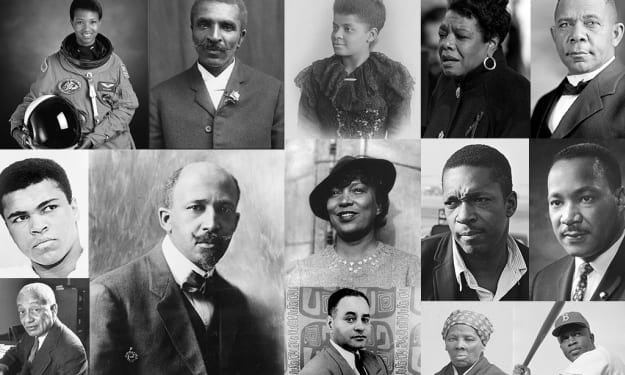
Why Black History Matters in America?
The United States of America is celebrating their 250th anniversary in 2026. I'm proud to be an American and as someone who was born here, I wouldn't imagine myself living anywhere else. This is a country where opportunities are possible. Where anyone can be successful in anything they desire to do. Equality, community, and togetherness are the backbones of what America is and should be about. However, we have an administration who wants to erase and disregard those who have made positive, meaningful impacts in our country, specifically Black figures, such as Martin Luther King, Jr., Rosa Parks, and Maya Angelou. President Trump and his administration have been constantly complaining and fighting against what they call the "Woke agenda". They use this excuse as a distraction from other issues they refuse to address, such as the high cost of living, climate change, and inflation. That equality is dividing America, when in reality, it's bringing us together. Being woke is not tied to a specific political party. No matter where you stand on the political spectrum, you can still care about other people and their plights. Compassion and empathy for others isn't tied to a political party, either. We were taught as children to treat others the way we want to be treated and not judge others because they're different from us. Caring about others isn't a personal attack on your beliefs. It doesn't make you any less of a person. People who are easily offended over African American figures, past or present, or anything related to it, are grasping at straws. Current and future generations need to know who people like Harriet Tubman and Shirley Chisholm were, especially in the classroom. Black History is part of American History. It should be recognized, not hidden or forgotten. Besides, you can't shield children from everything, just because your feelings are easily hurt.
By Mark Wesley Pritchard about 16 hours ago in The Swamp
30 Days to Better Habits: A Simple Step-by-Step Guide for Forming Habits That Stick. AI-Generated.
Changing your life doesn’t always require a massive overhaul. Often, small, consistent habits are the secret to long-term success. Research shows that most people fail to stick to new habits not because they lack motivation, but because they underestimate the importance of structure, consistency, and incremental progress. This guide will help you build better habits in 30 days, using a simple, step-by-step framework that is practical, actionable, and sustainable. Why Habits Matter Habits shape who we are Our daily actions define our lives. Tiny decisions repeated consistently become patterns that shape our identity. Whether it’s drinking water regularly, exercising, or reading daily, habits are the building blocks of success. The science behind habits According to behavioral science, habits form through cue → routine → reward loops. By understanding this loop, you can replace destructive habits with productive ones. Key points: Cue: The trigger that starts the habit Routine: The action you perform Reward: The benefit your brain receives, reinforcing the habit By consciously designing these loops, you can hack your brain to stick to new routines. Step 1: Choose One Habit at a Time Trying to change too much at once leads to burnout. Focus on one habit for 30 days. Examples of beginner-friendly habits: Drinking 8 glasses of water daily Walking 10,000 steps a day Reading 10 pages every morning Journaling before bed Concentration on a single habit ensures higher success rates and reduces overwhelm. Step 2: Make It Easy to Start Human brains resist change, so start small. Instead of promising to run 5 miles daily, begin with 5 minutes of walking or jogging. Tips for simplicity: Break habits into micro-actions Place cues in plain sight (water bottle on desk, running shoes by bed) Remove friction that discourages starting Starting small reduces mental resistance and builds momentum. Step 3: Anchor Habits to Existing Routines Use habit stacking to make your new habit automatic. Pair it with something you already do. Examples: After brushing your teeth → floss After morning coffee → meditate 5 minutes After lunch → take a short walk This technique leverages existing neural pathways, making the new habit easier to remember and maintain. Step 4: Track Your Progress Tracking helps your brain visualize success. Even simple checkmarks on a calendar trigger a sense of achievement. Effective tracking strategies: Habit tracker apps (Habitica, Strides) Calendar check-ins Journaling daily reflections Seeing progress builds psychological reinforcement, making the habit more likely to stick. Step 5: Reward Yourself Habits stick when there’s a positive reward. The reward doesn’t need to be material — a small mental pat on the back works. Reward ideas: Celebrate completing a week without missing the habit Enjoy a small treat or leisure activity Share your success with a friend for accountability Positive reinforcement strengthens your habit loop, making the behavior automatic over time. Step 6: Embrace Consistency, Not Perfection Missing a day isn’t failure; inconsistency is natural. Focus on getting back on track immediately. Tips: Aim for “most days,” not perfection Forgive lapses and analyze what caused them Adjust routines to reduce friction Consistency matters more than intensity. Over time, repeated small actions compound into significant change. Step 7: Reflect Weekly Weekly reflection helps you identify obstacles and successes. Ask yourself: Did I follow my habit every day? What challenges did I face? How can I improve next week? Reflection reinforces self-awareness, allowing you to optimize habits and prevent stagnation. Step 8: Gradually Increase Complexity Once a habit is solid, increase its intensity. For example: Start with 5 push-ups daily → increase to 20 Read 10 pages → increase to 20 pages This gradual scaling prevents overwhelm while maximizing progress. Step 9: Build Accountability Tell someone about your habit. Accountability creates social pressure and motivation. Methods: Share progress with a friend or mentor Join habit-focused groups online Post updates on social media (if comfortable) External accountability amplifies your commitment and increases the likelihood of sticking to your habit. Step 10: Mind Your Environment Your environment influences behavior. Design your space to support good habits and hinder bad ones. Examples: Place fruits on the counter, hide junk food Keep workout clothes ready Remove distractions during focus time A habit-friendly environment makes positive behaviors automatic and reduces reliance on willpower. Common Pitfalls and How to Avoid Them Setting unrealistic goals → Break into smaller steps Neglecting rewards → Celebrate milestones Ignoring failures → Analyze and adjust Trying to change too much at once → Focus on one habit Lack of tracking → Keep a habit log Avoiding these pitfalls increases success rate dramatically. Why 30 Days Works Psychologists suggest that 30 days is enough to establish a new habit, though some may take longer. The key is continuous repetition, supported by reward and tracking mechanisms. After 30 days: Actions begin to feel automatic You experience visible progress Your identity shifts slightly (e.g., “I am a person who exercises daily”) Case Studies: Habits That Stuck 1. Sarah’s Morning Routine Sarah struggled to wake up early. She started with 5 minutes of stretching every morning after brushing her teeth. Within 30 days, her body and mind adapted, and she extended the routine to 30 minutes of yoga, feeling more energized daily. 2. Mark’s Reading Habit Mark wanted to read more. He began with 10 pages every night before bed. By tracking progress in an app and rewarding himself with a coffee after each week, he formed a sustainable reading habit, completing multiple books in 90 days. These examples show that small, incremental habits compound into lasting lifestyle changes. Conclusion: Your 30-Day Habit Challenge Forming lasting habits doesn’t require extraordinary willpower. By following this 10-step guide, you can build habits that stick: Choose one habit Make it easy to start Anchor to existing routines Track progress Reward yourself Focus on consistency Reflect weekly Gradually increase intensity Build accountability Optimize your environment Start today, follow this framework, and watch small actions transform your life. A single habit repeated for 30 days can become the foundation for a lifetime of positive change.
By Zahid Hussain3 days ago in The Swamp
Son of Government Crypto Custody Contractor Allegedly Behind $40 Million Theft: Inside the ZachXBT Claims. AI-Generated.
In a stunning development that has captured global crypto attention, well‑known blockchain investigator ZachXBT has publicly alleged that the individual responsible for siphoning more than $40 million in cryptocurrency from U.S. government‑controlled wallets is the son of a contractor executive entrusted with safeguarding those very assets. The allegations, first detailed on social media and corroborated by several independent reports, raise troubling questions about crypto custody, insider risk, and federal oversight.
By Salaar Jamali6 days ago in The Swamp
Who Was Alex Pretti? Inside the Minneapolis Shooting That Shook America
On January 24, 2026, Minneapolis — a city still grappling with fraught tensions around federal immigration enforcement — became the scene of a deeply polarizing event that has captured national attention and millions of searches online: the fatal shooting of Alex Jeffrey Pretti by U.S. Border Patrol agents. What began as another protest over immigration policy quickly turned into a crisis of public confidence, intense political debate, and a personal tragedy that has resonated far beyond the streets of Minnesota.
By Bevy Osuos8 days ago in The Swamp
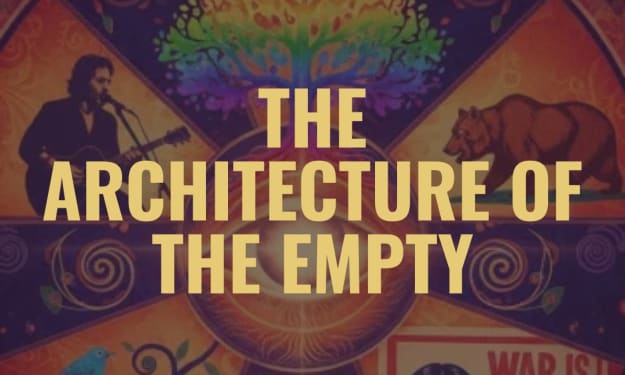
The Architecture of the Empty. Content Warning.
"In a world increasingly obsessed with 'hollow thinking' where people are reduced to units and human dignity is phased out of the budget the act of creation becomes a form of resistance. This piece was born from a week of rigid rules and 'authoritarian bull shit,' but it ends in the only place the parasites cannot reach: the sanctuary of the imagination.
By Vicki Lawana Trusselli 9 days ago in The Swamp
Silver Market Deficit to Continue Throughout 2026, Says Fitch’s BMI. AI-Generated.
The global silver market is facing a prolonged period of supply tightness, with analysts at Fitch Solutions’ BMI unit forecasting that the silver market deficit will persist through 2026. This ongoing imbalance—where demand outpaces available supply—is poised to shape price dynamics, industrial use, and investment behavior in the precious metals space throughout the year.
By Salaar Jamali12 days ago in The Swamp