
Trump Orders Boost for Weedkiller Targeted in Health Lawsuits
How a controversial executive order supporting glyphosate could reshape agriculture, legal battles, and public health
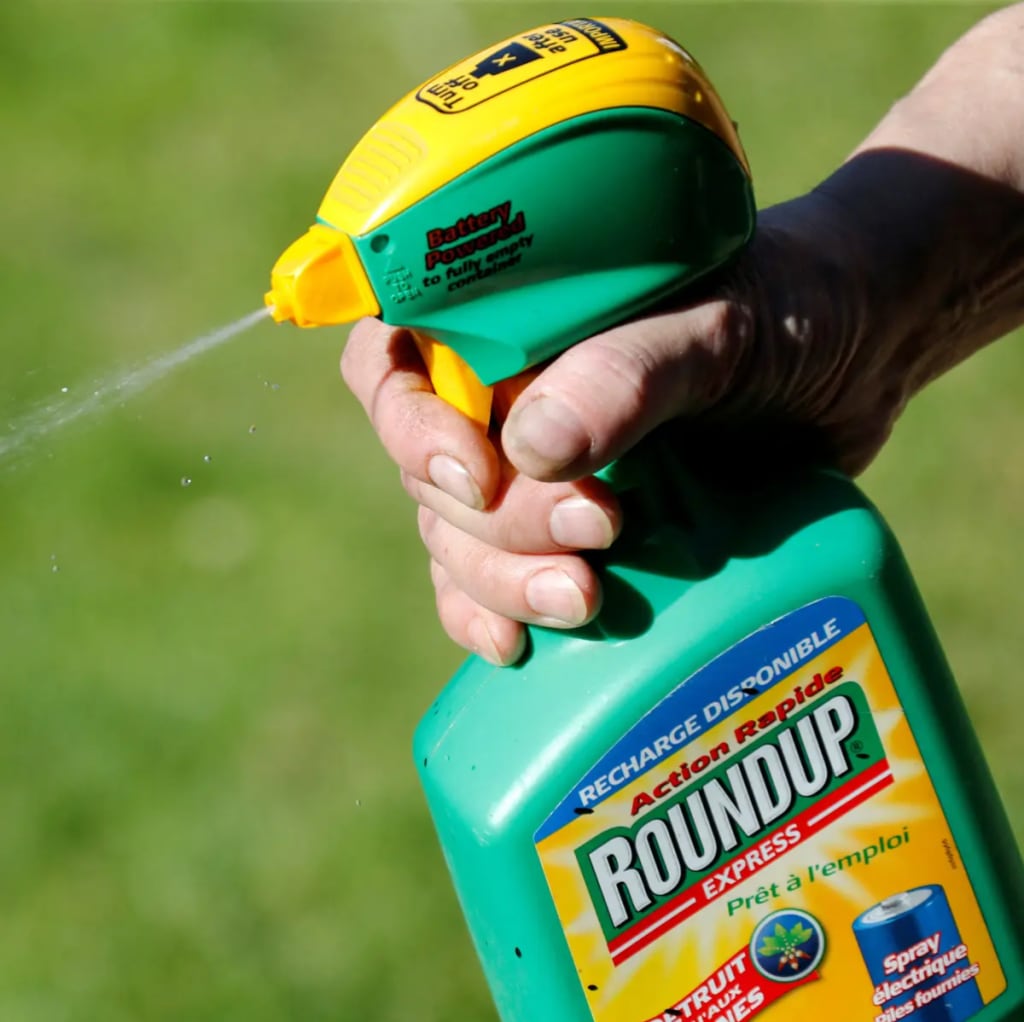
On February 19, 2026, former U.S. President Donald Trump signed an executive order aimed at increasing domestic production of glyphosate, the main chemical ingredient in popular herbicides such as Roundup. The move comes at a tense time for Bayer AG, the main U.S. producer of glyphosate-based weedkillers, which faces tens of thousands of lawsuits alleging links between glyphosate exposure and cancer.
The order has sparked immediate debate, with supporters claiming it will protect farmers and the nation’s food supply, while critics warn it could undermine public health and weaken legal accountability. Here’s a closer look at what the order entails, why it is controversial, and its potential impact.
🌾 What the Executive Order Does
The order invokes the Defense Production Act, a Cold War-era law designed to secure essential materials for national security. Under Trump’s directive, both glyphosate and phosphorus — a chemical used in fertilizers and industrial applications — were designated as national security priorities.
According to the White House, glyphosate is critical to U.S. agriculture because it controls weeds that threaten crops like corn and soybeans. Phosphorus, meanwhile, is used in fertilizers and some defense applications. By elevating production of these chemicals, the government aims to stabilize supply chains, ensure farmers have access, and prevent potential shortages that could affect food production and prices.
Bayer, the company that owns the Roundup brand, welcomed the order, seeing it as a measure that could protect both farmers and their business operations. Government officials argue that this step is necessary to maintain food security in a global market affected by volatile supply chains and rising agricultural demand.
⚖️ Legal and Health Controversies
Glyphosate is no stranger to controversy. Over the past decade, Bayer has faced thousands of lawsuits claiming that exposure to glyphosate caused non-Hodgkin lymphoma and other cancers. Some recent settlements have exceeded $7 billion, while tens of thousands of cases remain unresolved.
Plaintiffs argue that companies failed to warn users of glyphosate’s potential health risks. Bayer maintains that decades of regulatory oversight, including by the EPA and European authorities, show glyphosate is safe when used correctly. This legal tug-of-war highlights a key tension between corporate interests, regulatory assessments, and consumer safety concerns.
By declaring glyphosate production a matter of national priority, the administration could potentially strengthen Bayer’s legal defense. Legal experts suggest that federal preemption might protect companies from state-level claims if a chemical is officially deemed essential for national interests. Critics argue this could amount to policy-driven immunity, weakening public oversight of chemical safety.
🧪 Scientific Debate Over Safety
Glyphosate’s safety remains a topic of heated scientific debate. The International Agency for Research on Cancer (IARC) classified glyphosate as a “probable carcinogen” in 2015, based on studies linking long-term exposure to certain cancers. Yet regulatory bodies such as the EPA and the European Union have concluded that glyphosate is unlikely to cause cancer when used according to guidelines.
This disconnect has fueled confusion, legal battles, and public concern. Environmental and health advocates criticize the executive order, warning that it could exacerbate risks for farm workers, nearby communities, and ecosystems. Studies suggest that widespread glyphosate use can affect soil health, water quality, and biodiversity.
Groups like the Environmental Working Group (EWG) condemned the decision as a setback for public health and consumer safety. In their view, the policy prioritizes corporate profit and agricultural output over protecting individuals from potential harm.
🌍 Farmers, Food Security, and Politics
Supporters of the order emphasize its benefits for farmers and national food security. Glyphosate is widely used because it helps protect crop yields and ensures that American agriculture remains competitive. Advocates argue that without government intervention, glyphosate supply shortages could disrupt planting cycles, inflate costs, and threaten the country’s food supply.
Politically, the order underscores the divide between pro-industry and public-health priorities. While some administrations have promoted stricter chemical regulation and environmental protection, this order favors industrial and agricultural interests, signaling that the government may prioritize economic stability over some health concerns.
At the same time, the executive order has sparked controversy due to its timing and alignment with legal battles. It highlights the delicate balance between corporate protection, regulatory oversight, and public accountability. The move has raised questions about the role of the federal government in potentially influencing litigation and public perception regarding chemical safety.
🧠 Broader Implications
The Trump executive order has implications that extend beyond U.S. borders. Glyphosate is used worldwide, and regulatory approaches vary from country to country. The EU maintains tighter oversight on pesticide safety, while other nations rely on scientific studies and corporate compliance. U.S. policy may influence global markets, international trade agreements, and public confidence in agricultural chemicals.
Additionally, the order could set a precedent for how critical materials are managed under national security frameworks. By invoking the Defense Production Act, the administration signals that certain agricultural chemicals may be considered strategic resources — similar to metals, rare minerals, or defense equipment.
This raises complex questions about the intersection of agriculture, national security, and public health, which will likely play out in courts, regulatory agencies, and congressional oversight committees.
🔮 Looking Ahead
The practical effects of the order will emerge over the coming months. Farmers may benefit from more reliable access to glyphosate, while Bayer and other companies may see strengthened legal defenses. Meanwhile, plaintiffs’ lawsuits and public advocacy may continue to challenge the decision, potentially reaching higher courts.
Public scrutiny is also likely to intensify. Consumers, environmental organizations, and health experts will watch closely to assess whether the policy affects exposure risks, litigation outcomes, and transparency in chemical safety practices.
🧾 Conclusion
President Trump’s executive order to boost glyphosate production is a bold move at the intersection of agriculture, law, and public health. By classifying the chemical as a matter of national security, the administration aims to secure crop yields, stabilize supply chains, and support U.S. farmers. Yet the decision raises concerns about legal accountability, public safety, and the balance between industrial interests and health oversight.
As lawsuits continue, regulatory bodies evaluate chemical safety, and advocacy groups raise alarms, this executive order is likely to remain a key topic in discussions about U.S. agricultural policy, chemical regulation, and consumer protection for years to come.
About the Creator
Why Black History Matters in America?
The United States of America is celebrating their 250th anniversary in 2026. I'm proud to be an American and as someone who was born here, I wouldn't imagine myself living anywhere else. This is a country where opportunities are possible. Where anyone can be successful in anything they desire to do. Equality, community, and togetherness are the backbones of what America is and should be about. However, we have an administration who wants to erase and disregard those who have made positive, meaningful impacts in our country, specifically Black figures, such as Martin Luther King, Jr., Rosa Parks, and Maya Angelou. President Trump and his administration have been constantly complaining and fighting against what they call the "Woke agenda". They use this excuse as a distraction from other issues they refuse to address, such as the high cost of living, climate change, and inflation. That equality is dividing America, when in reality, it's bringing us together. Being woke is not tied to a specific political party. No matter where you stand on the political spectrum, you can still care about other people and their plights. Compassion and empathy for others isn't tied to a political party, either. We were taught as children to treat others the way we want to be treated and not judge others because they're different from us. Caring about others isn't a personal attack on your beliefs. It doesn't make you any less of a person. People who are easily offended over African American figures, past or present, or anything related to it, are grasping at straws. Current and future generations need to know who people like Harriet Tubman and Shirley Chisholm were, especially in the classroom. Black History is part of American History. It should be recognized, not hidden or forgotten. Besides, you can't shield children from everything, just because your feelings are easily hurt.
By Mark Wesley Pritchard 18 days ago in The Swamp
Woodside Energy Asks for Second Round of Offers on LNG Newbuildings
Woodside Energy, one of Australia’s leading liquefied natural gas (LNG) producers, has initiated a second round of bids for new LNG carrier construction, signaling its commitment to expanding its shipping fleet amid rising global demand for natural gas. The move reflects both strategic planning for long-term supply contracts and efforts to secure favorable construction terms from shipbuilders. Expanding the LNG Fleet Woodside Energy, which operates multiple LNG facilities in Australia, is seeking additional carriers to transport its gas from remote production sites to international markets, particularly in Asia and Europe. The company had previously issued a first round of offers, but escalating costs, evolving technology requirements, and competitive pressures prompted the decision to reopen negotiations. Industry analysts note that securing new LNG carriers is critical as the company ramps up production to meet long-term contracts with customers in Japan, South Korea, China, and increasingly Europe. LNG shipments are a key component of Woodside’s revenue stream, and reliable transport capacity is essential for meeting delivery commitments. Second Round Bidding Process The second round of offers is expected to attract international shipbuilders specializing in LNG vessels. Woodside has emphasized the importance of efficiency, low emissions technology, and adherence to evolving maritime environmental regulations. Builders are being asked to submit competitive bids that account for construction timelines, fuel efficiency, and vessel capacity. A company spokesperson said, “Our focus is on securing LNG carriers that meet our operational needs and sustainability targets. We are carefully evaluating proposals to ensure the fleet expansion aligns with our long-term strategic objectives.” Market Context Global LNG demand has grown steadily, driven by efforts to reduce carbon emissions and shift from coal and oil to cleaner fuels. Europe’s recent energy crisis has accelerated the need for secure LNG supply chains, while Asian economies continue to rely heavily on natural gas for power generation and industrial use. Shipbuilders face challenges in meeting demand for specialized LNG carriers, including longer lead times and rising steel and labor costs. Woodside’s second round of bidding allows the company to explore cost optimization while securing vessels equipped with modern propulsion technology, such as dual-fuel engines and reduced boil-off systems, to minimize environmental impact. Strategic Importance The expansion of the LNG fleet is part of Woodside’s broader strategy to maintain and grow its market share globally. With energy transition policies influencing the mix of fuels, LNG is positioned as a bridge energy source, and having a reliable, efficient shipping fleet ensures that Woodside can respond to shifting demand patterns and contract obligations. Investors and industry observers see fleet expansion as a signal that Woodside is preparing for increased export volumes and a longer-term commitment to LNG as part of its portfolio. The company’s ability to negotiate favorable terms in the second round could have significant financial implications, influencing capital expenditure, operational efficiency, and profitability. Environmental and Regulatory Considerations In addition to operational efficiency, the company is emphasizing compliance with international maritime regulations, including those related to carbon emissions and fuel sulfur content. LNG carriers are increasingly being evaluated not just on transport capacity but also on environmental performance, as stricter rules come into effect globally. Woodside’s emphasis on low-emission technology and sustainability aligns with broader trends in the shipping and energy sectors. By selecting vessels that meet higher environmental standards, the company seeks to future-proof its fleet against regulatory and market pressures. Looking Ahead The outcome of the second round of offers is expected in the coming months, with contracts awarded to builders capable of delivering vessels that meet both technical and environmental criteria. The decision will set the tone for Woodside’s fleet strategy and capacity planning over the next decade. As LNG markets remain competitive and global energy demand evolves, Woodside Energy’s fleet expansion demonstrates the company’s proactive approach to securing shipping capacity, optimizing costs, and supporting its long-term growth objectives in the liquefied natural gas sector.
By Fiaz Ahmed 2 days ago in The Swamp



Comments
There are no comments for this story
Be the first to respond and start the conversation.