
Trump Says Fed Nominee Kevin Warsh Could Win Democratic Support
Former president signals bipartisan confidence as markets and lawmakers watch closely
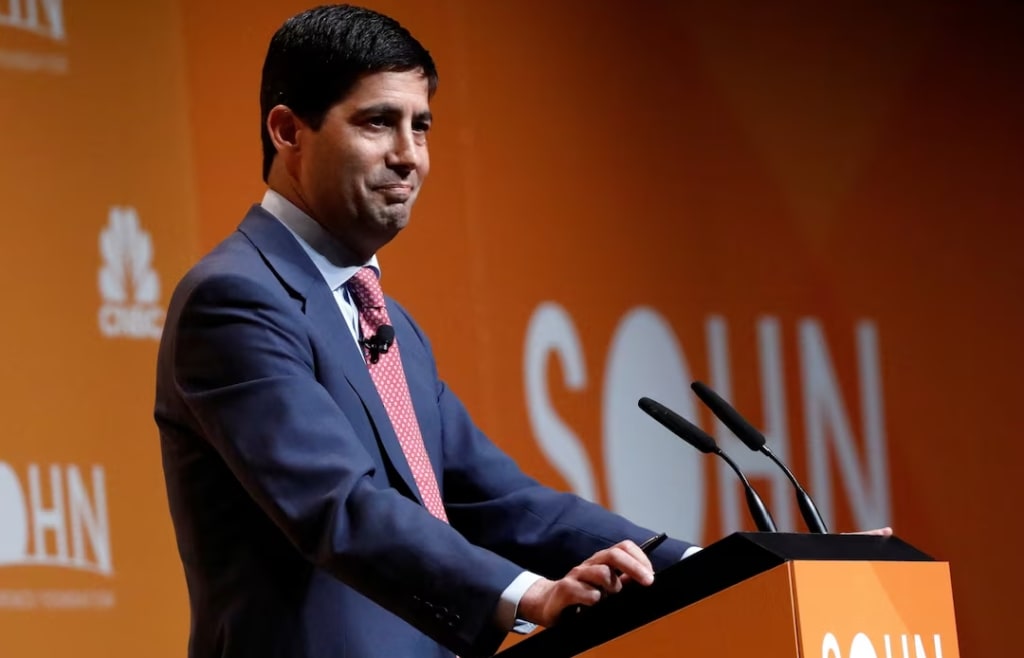
Former President Donald Trump has once again made headlines after suggesting that his potential Federal Reserve nominee, Kevin Warsh, could attract support from Democrats as well as Republicans. The statement has sparked renewed debate over the future of U.S. monetary policy, the independence of the central bank, and the role of politics in shaping economic leadership.
As inflation concerns, interest rate decisions, and financial market volatility continue to dominate public discussion, Trump’s remarks have added a new layer of political intrigue to the Federal Reserve’s future.
Who Is Kevin Warsh?
Kevin Warsh is no stranger to Washington’s financial circles. He previously served as a member of the Federal Reserve Board of Governors from 2006 to 2011, during one of the most turbulent periods in modern economic history, including the 2008 financial crisis.
During his tenure, Warsh worked closely with then-Fed Chair Ben Bernanke and played a role in shaping the central bank’s emergency response to collapsing banks and financial institutions. Since leaving the Fed, he has remained active in economic policy circles, serving as a fellow at the Hoover Institution and advising political leaders.
Warsh is widely viewed as a fiscal conservative who favors tighter monetary policy and greater transparency at the Federal Reserve. His reputation as an experienced technocrat has made him a recurring name in discussions about Fed leadership.
Trump’s Statement and Its Significance
Speaking to reporters and supporters, Trump claimed that Warsh “could get Democratic votes” if nominated, describing him as “highly respected” and “very smart.” The former president suggested that Warsh’s professional background and bipartisan relationships could help bridge political divides in Congress.
This claim is significant because Federal Reserve nominations require Senate confirmation. In today’s polarized political climate, securing bipartisan backing is often difficult. Trump’s comments appear designed to present Warsh as a consensus candidate who could navigate Washington’s partisan gridlock.
Political analysts say the statement may also reflect Trump’s broader strategy: positioning himself as a leader capable of choosing figures who appeal beyond his political base.
Why the Federal Reserve Matters
The Federal Reserve is one of the most powerful institutions in the United States. It controls interest rates, regulates banks, and influences economic growth, employment, and inflation.
Decisions made by the Fed affect everything from mortgage rates and credit card interest to business investment and stock market performance. As a result, leadership changes at the central bank often have immediate consequences for financial markets.
With inflation still a major concern and economic growth facing uncertainty, the next Fed chair or governor will play a crucial role in shaping America’s financial future.
This is why Trump’s comments about Warsh have attracted attention not only in political circles but also among investors, economists, and business leaders.
Can Warsh Really Win Democratic Support?
Trump’s claim that Warsh could gain Democratic backing remains uncertain.
Some Democrats respect Warsh’s experience and technical knowledge. His role during the financial crisis and his academic credentials give him credibility among policy experts. In the past, Warsh has worked with leaders from both parties, which may help his case.
However, many progressive Democrats are skeptical of candidates perceived as favoring Wall Street or opposing aggressive regulation. Warsh has previously criticized aspects of quantitative easing and expansive monetary policies, positions that some Democrats view as too restrictive.
Additionally, any nominee closely associated with Trump may face automatic resistance from parts of the Democratic Party, regardless of qualifications.
“A lot will depend on the political environment at the time of nomination,” said one political strategist. “Even a respected candidate can become controversial in today’s climate.”
Market Reaction and Investor Interest
Financial markets have been paying close attention to Trump’s remarks. Any indication of future Fed leadership can influence investor expectations about interest rates and monetary policy direction.
Warsh is often seen as more “hawkish” than some recent Fed leaders, meaning he may be more willing to raise interest rates to fight inflation. This stance appeals to those worried about rising prices but concerns others who fear slowing economic growth.
Following Trump’s comments, some analysts noted increased discussion among traders and economists about how a Warsh-led Fed might operate.
“A Warsh nomination would likely signal a tougher stance on inflation,” said a senior market analyst. “That could have major implications for stocks, bonds, and housing.”
The Political Dimension of Fed Appointments
Although the Federal Reserve is designed to be independent, its leadership is inevitably shaped by politics. Presidents nominate Fed officials, and the Senate confirms them. As a result, political considerations often influence the process.
Trump has previously criticized the Federal Reserve and its policies, accusing it of acting too slowly or too aggressively depending on economic conditions. His interest in Warsh may reflect a desire to appoint someone who shares his views on monetary discipline.
At the same time, by emphasizing potential Democratic support, Trump appears to be acknowledging the importance of institutional stability and bipartisan legitimacy.
A Fed leader with broad backing is more likely to maintain credibility at home and abroad.
Broader Implications for 2026 and Beyond
Trump’s remarks come at a time when speculation is growing about future economic leadership and policy direction. With elections approaching and economic uncertainty lingering, monetary policy will remain a central issue in national debates.
If Trump returns to power or plays a major role in shaping Republican policy, Warsh could become a serious contender for a top Fed position. His potential nomination would likely spark intense hearings and public scrutiny.
For voters, the issue goes beyond personalities. It reflects deeper questions about how the U.S. should manage inflation, debt, and growth in a rapidly changing global economy.
Conclusion: A Signal of Strategy and Influence
Trump’s statement that Kevin Warsh could garner Democratic support is more than casual speculation. It reflects a calculated effort to frame his economic vision as credible, experienced, and potentially bipartisan.
Whether Warsh can truly bridge political divides remains uncertain. While his expertise commands respect, partisan realities may complicate any confirmation process.
Still, the conversation itself highlights the growing importance of Federal Reserve leadership in shaping America’s future. As economic challenges continue, the choice of who guides monetary policy may prove just as influential as any election result.
For now, Trump’s endorsement has placed Kevin Warsh back in the spotlight—where politics, economics, and public interest meet.
About the Creator
Issue Brief on “Nuclear Year 2025 in Review”
The year 2025 will be remembered as a turning point in global nuclear politics. Marked by growing geopolitical rivalries, stalled arms control agreements, and renewed nuclear threats, the world witnessed both alarming setbacks and cautious diplomatic efforts. From escalating tensions among nuclear-armed states to debates over modernization and disarmament, nuclear issues once again dominated international security discussions.
By Sajida Sikandar5 days ago in The Swamp



Comments
There are no comments for this story
Be the first to respond and start the conversation.