
UK Says “Nothing Is Off the Table” in Response to US Tariffs
The United Kingdom signals potential retaliation after new tariffs from the United States raise fears of a broader transatlantic trade dispute.
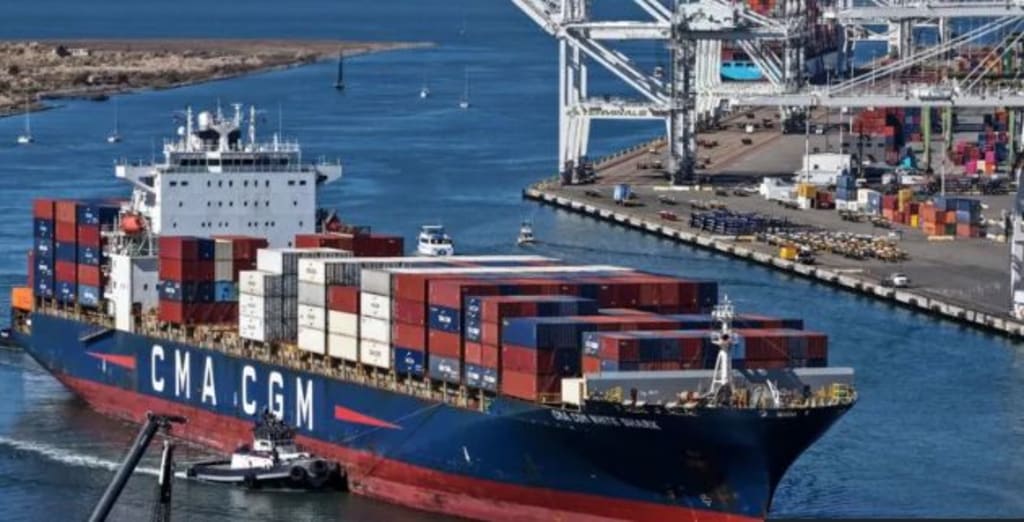
Trade tensions between the United Kingdom and the United States are escalating after Washington introduced a new round of tariffs on key imports. British officials responded with a firm warning that “nothing is off the table,” raising the possibility of retaliatory measures that could widen the dispute and affect global markets.
The comments highlight growing friction between two of the world’s closest economic partners. While the UK and US maintain deep trade and security ties, recent tariff decisions have exposed disagreements over industrial policy, supply chains, and fair competition.
Economists say the situation underscores a broader shift toward protectionism, as governments increasingly use tariffs to support domestic industries and counter perceived trade imbalances.
The Trigger: New US Tariff Measures
The dispute began after Washington imposed tariffs targeting specific sectors, including manufacturing inputs and strategic goods. US officials argue the measures are necessary to protect domestic producers, strengthen supply chains, and address national security concerns.
From London’s perspective, the tariffs risk harming British exporters and disrupting established trade flows. UK manufacturers reliant on US markets could face higher costs and reduced competitiveness, particularly in industries already dealing with inflation and supply-chain pressures.
British officials have stressed that while dialogue remains the preferred path, the government is prepared to defend its economic interests if negotiations fail.
“Nothing Off the Table” — What It Means
When UK leaders say nothing is off the table, it signals a range of potential responses. These could include targeted counter-tariffs, support packages for affected industries, or formal challenges through international trade mechanisms.
Retaliatory tariffs are often designed to apply pressure without escalating too quickly. Governments typically target politically sensitive sectors, aiming to encourage negotiation rather than trigger a full trade war.
However, history shows that even limited retaliation can lead to cycles of escalation. Businesses and investors therefore watch such statements closely, as they can influence supply chains, pricing, and market sentiment.
Impact on Businesses and Consumers
For companies operating across the Atlantic, tariffs create uncertainty. Higher import costs can squeeze profit margins, force price increases, or shift production decisions. Small and mid-sized exporters are often the most vulnerable because they have fewer resources to absorb sudden policy changes.
Consumers may also feel the impact. Tariffs can raise prices on goods ranging from industrial materials to everyday products, contributing to inflation. In sectors like automotive manufacturing and technology, even minor cost increases can ripple across entire supply networks.
Trade experts warn that uncertainty itself can be damaging. When companies delay investment or expansion due to policy risks, economic growth may slow.
A Broader Shift Toward Economic Nationalism
The UK-US dispute reflects a global trend toward economic nationalism. Governments increasingly prioritize domestic production, supply-chain resilience, and strategic independence. Tariffs have become a key tool in this approach.
Supporters argue such policies protect jobs and reduce reliance on geopolitical rivals. Critics counter that protectionism can reduce efficiency, raise prices, and strain international relationships.
For the UK, the challenge is balancing its post-Brexit trade strategy with maintaining strong ties to major partners. For the US, tariffs are often part of broader industrial policy aimed at reshoring manufacturing and competing with other global powers.
The Role of International Trade Rules
Trade disputes between allies often move into formal channels, including the World Trade Organization. Filing a complaint allows governments to challenge tariffs they believe violate international rules.
Such processes can take years, but they provide a framework that prevents immediate escalation. In many cases, disputes are resolved through negotiation before final rulings are issued.
UK officials have indicated they are reviewing all available legal options, suggesting a potential WTO route remains possible alongside bilateral talks.
Political Dimensions of the Dispute
Trade policy rarely exists in isolation from politics. Domestic pressures in both countries influence decisions on tariffs and retaliation. Governments must balance industry demands, voter concerns, and diplomatic relationships.
In the UK, protecting exporters and demonstrating economic independence are key political priorities. In the US, tariffs can signal commitment to domestic manufacturing and national security.
Because both nations are close allies, leaders face additional pressure to avoid a prolonged dispute. Escalation could complicate cooperation on defense, technology, and global economic policy.
Market Reaction and Investor Sentiment
Financial markets tend to react quickly to trade tensions. Currency movements, stock volatility, and commodity price shifts often follow tariff announcements. Companies exposed to cross-border trade may see share prices fluctuate as investors assess potential risks.
So far, analysts describe market reaction as cautious rather than panicked. Investors appear to believe negotiations will continue, limiting the likelihood of a full trade conflict. Still, repeated tariff actions could change that perception.
Businesses are increasingly building contingency plans, including diversifying suppliers and exploring alternative markets.
Possibilities for Negotiation
Despite strong rhetoric, both sides have incentives to reach a compromise. The UK and US share significant trade volumes, and many industries depend on predictable rules. Negotiations could involve exemptions, phased implementation, or broader trade discussions.
Experts note that trade disputes among allies often serve as bargaining tools. Public warnings create leverage, but final agreements frequently include concessions from both sides.
The coming months will likely determine whether the situation stabilizes or escalates.
A Test for Transatlantic Economic Relations
The UK’s warning that nothing is off the table marks a pivotal moment in transatlantic trade relations. It reflects frustration over tariffs but also a willingness to engage from a position of strength.
Whether the dispute leads to retaliation, negotiation, or compromise will shape not only bilateral trade but also broader global sentiment around protectionism. In an era of economic uncertainty, even disagreements between close partners carry significant implications.
For businesses, policymakers, and consumers, the message is clear: trade policy is becoming more strategic — and more unpredictable. As governments navigate competing priorities, the balance between cooperation and competition will continue to define the future of global commerce.
About the Creator
A Gathering of Evil Bosses
“I’m the queen of chin jutting while I smooth my hair, attacking, insulting, and deflecting to protect my appointer.” “Oh, please, Blondi, my hair is curled, highlighted, and longer than yours. I feature television commercials telling immigrants that we will give them a free plane ride home, and if they voluntarily turn themselves in, they will be allowed to legally apply for re-entry. It runs everywhere, and I look good in it! You can’t compete because of your blond hair. Mine is nicer, and my lips are prettier than yours.”
By Andrea Corwin 6 days ago in The Swamp




Comments
There are no comments for this story
Be the first to respond and start the conversation.