
US, European Navies Push Lego-Like Modularity to Boost Ships’ Combat Punch
Naval forces adopt plug-and-play mission systems to adapt faster to modern maritime threats

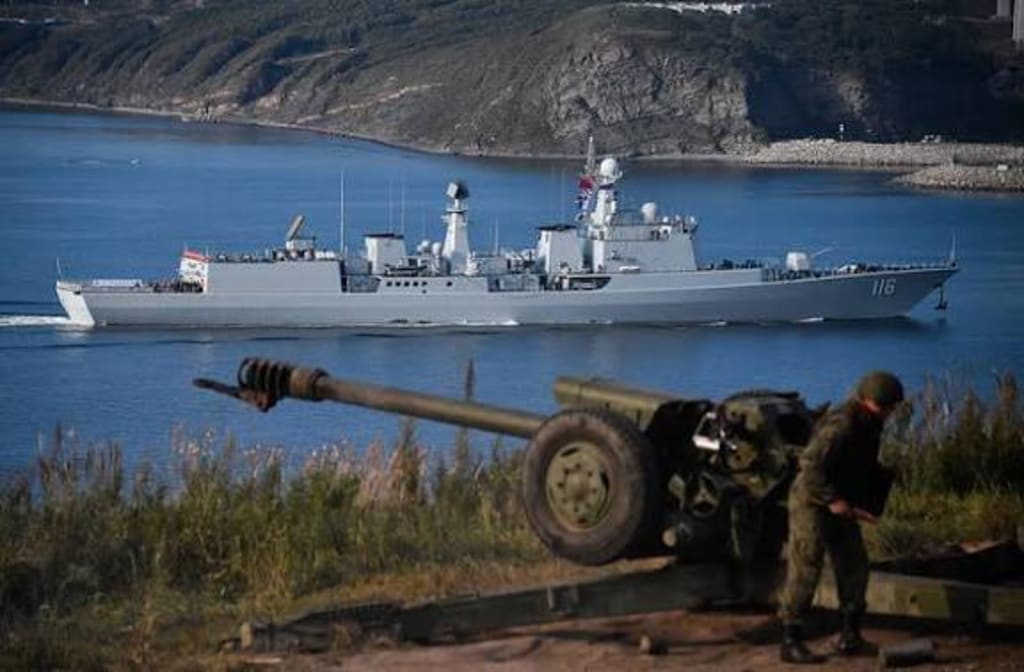
The United States and several European navies are accelerating efforts to adopt modular ship design, a concept often compared to Lego-style building blocks that can be rapidly swapped to change a vessel’s mission profile. Military planners believe this approach will allow fleets to respond faster to emerging threats, reduce costs, and dramatically increase the combat effectiveness of surface warships.
At the heart of the initiative is the idea that ships no longer need to be built for a single role such as anti-submarine warfare or air defense. Instead, modular vessels can be equipped with mission-specific packages that include sensors, weapons, and command systems, enabling rapid adaptation for different operational scenarios.
A Shift in Naval Warfare
Naval officials say modularity reflects the changing nature of maritime conflict, where threats range from missile attacks and drone swarms to cyber operations and undersea warfare. Traditional ship designs, which lock in equipment for decades, are increasingly seen as too rigid for modern battlefields.
“We need ships that can evolve as fast as the threats,” a senior officer from the United States Navy said. “Modular systems allow us to upgrade capabilities in months rather than years.”
European navies are pursuing similar strategies. Germany, the Netherlands, and the United Kingdom are testing modular mission bays that can house containerized missile launchers, unmanned systems, or medical facilities. These standardized modules can be loaded onto ships using cranes and integrated with onboard combat systems through common software interfaces.
Boosting Combat Power
Proponents argue that modularity increases a fleet’s “combat punch” by allowing commanders to tailor each ship to specific missions. A frigate deployed for patrol duties can quickly be reconfigured for high-intensity combat by adding missile or electronic warfare modules.
This flexibility also supports coalition operations. NATO navies are working toward common module standards so that allied ships can share equipment and logistics. According to defense planners, this could allow a ship from one country to carry another nation’s weapons or sensors during joint operations.
An official involved in NATO naval modernization programs said modularity could become a cornerstone of alliance interoperability. “It’s not just about ships,” the official explained. “It’s about creating a plug-and-play ecosystem across allied fleets.”
Lessons From Early Experiments
The concept is not entirely new. The U.S. Navy’s Littoral Combat Ship program introduced modular mission packages years ago, though technical challenges and cost overruns slowed its progress. European designs, particularly from Scandinavian navies, have shown greater success by focusing on fewer, more reliable modules and stronger integration standards.
Recent trials in the North Sea and Mediterranean demonstrated that ships equipped with modular drone-launch systems and containerized missile batteries could switch roles within days rather than months. These exercises convinced planners that modularity is no longer experimental but operationally viable.
Industrial and Budget Implications
Shipbuilders and defense contractors are rethinking production models to accommodate modular construction. Instead of building highly specialized ships, companies are designing hulls that serve as flexible platforms for future upgrades.
Defense economists argue that modularity can reduce long-term costs by extending ship lifespans and avoiding expensive midlife overhauls. However, critics caution that standardization across nations will be difficult and that cybersecurity risks increase when systems rely heavily on software integration.
“There is a tradeoff between flexibility and complexity,” said a European naval analyst. “The more modular a ship becomes, the more critical it is to protect its digital architecture from hacking or disruption.”
Strategic Outlook
As tensions rise in the Indo-Pacific and Europe’s eastern waters, navies are under pressure to field forces that are both agile and lethal. Modular ships are seen as a way to counter adversaries that are deploying large numbers of missiles, drones, and submarines.
Officials from the NATO say modularity also supports deterrence by allowing allied navies to surge combat capabilities quickly without building entirely new fleets.
Conclusion
The push for Lego-like modularity marks a significant transformation in naval design philosophy. By turning warships into adaptable platforms rather than fixed-purpose vessels, the U.S. and European navies hope to gain a decisive edge in future maritime conflicts.
While technical and organizational challenges remain, defense leaders believe modularity offers the best path forward for fleets facing rapid technological change and unpredictable security threats. If successful, tomorrow’s warships may be defined less by their hulls and more by the mission modules they carry into battle.
About the Creator
Fiaz Ahmed
I am Fiaz Ahmed. I am a passionate writer. I love covering trending topics and breaking news. With a sharp eye for what’s happening around the world, and crafts timely and engaging stories that keep readers informed and updated.
Keep reading
More stories from Fiaz Ahmed and writers in The Swamp and other communities.
Russia-Ukraine Talks Live: ‘Difficult’ Negotiations End, More Planned
Negotiations between Russia and Ukraine concluded after what both sides described as “difficult but necessary” discussions, with officials confirming that further talks are planned in the coming days. The latest round of diplomacy comes amid continued fighting along multiple фронts and mounting international pressure to find a path toward de-escalation. Delegations met at a neutral venue under tight security, with mediators from regional partners facilitating the dialogue. While no breakthrough agreement was announced, negotiators said the talks helped clarify positions on key issues including ceasefire arrangements, humanitarian corridors, and prisoner exchanges. Cautious Statements From Both Sides Ukrainian representatives said discussions were tense and marked by sharp disagreements, particularly over territorial questions and security guarantees. A senior Ukrainian official described the meeting as “a step forward in communication, though not yet in compromise.” “The talks were difficult, but they were necessary,” the official said. “We made clear our red lines and our expectations for any future settlement.” Russian negotiators echoed the description, acknowledging that the dialogue exposed deep divisions but insisting that diplomacy remains preferable to prolonged confrontation. “There is no simple solution,” one Russian delegate stated. “However, continued dialogue is the only way to address the concerns of both sides.” Key Topics on the Table According to sources familiar with the negotiations, the agenda focused on three main areas: Ceasefire mechanisms to reduce active hostilities in selected regions. Humanitarian access, including safe passage for civilians and aid deliveries. Confidence-building measures, such as expanded prisoner swaps and the protection of critical infrastructure. While neither side committed to a full ceasefire, there were indications that limited pauses in fighting could be explored to allow humanitarian operations. International organizations monitoring the situation welcomed any effort to reduce civilian suffering, calling the talks a “modest but meaningful development.” International Reaction Western governments and regional allies reacted cautiously to news of the talks. European officials urged both parties to remain engaged and warned that a collapse in diplomacy could worsen instability across the continent. Diplomats stressed that the success of future rounds would depend on tangible steps rather than statements. “Dialogue is important, but actions will determine whether progress is real,” said one European envoy involved in indirect mediation efforts. The United Nations reiterated its call for restraint and respect for international humanitarian law, noting that millions of civilians remain affected by the conflict. Aid agencies have reported severe shortages of food, medicine, and shelter in several contested areas. Challenges Ahead Analysts say the negotiations face significant obstacles. The gap between Russian and Ukrainian demands remains wide, especially regarding territorial control and long-term security arrangements. Trust is also limited, with both sides accusing each other of violating previous informal agreements. “Each round of talks is as much about testing intentions as it is about resolving issues,” said a regional security expert. “These discussions are fragile and could stall quickly if military developments overshadow diplomatic efforts.” Despite the challenges, observers argue that the continuation of talks itself is a positive sign. It suggests that neither side has fully abandoned the prospect of a negotiated outcome, even as battlefield dynamics remain volatile. Next Steps Officials confirmed that additional meetings are being scheduled, possibly with expanded participation from international mediators. Technical working groups are expected to address humanitarian concerns and logistical issues before political negotiations resume. Ukrainian leaders have emphasized that any agreement must preserve national sovereignty and ensure long-term security. Russian officials, meanwhile, maintain that their strategic objectives must be reflected in any future settlement. Conclusion The latest round of Russia-Ukraine talks ended without a breakthrough but with a shared acknowledgment that dialogue must continue. Labeling the negotiations as “difficult,” both sides signaled a willingness to meet again, offering a cautious glimmer of diplomatic engagement amid ongoing conflict. Whether these discussions lead to meaningful progress remains uncertain. For now, the talks represent a fragile channel of communication in a war that continues to reshape regional politics and global security. As preparations begin for the next round, international observers will be watching closely for signs that words can translate into action.
By Fiaz Ahmed 2 days ago in The Swamp
Why Black History Matters in America?
The United States of America is celebrating their 250th anniversary in 2026. I'm proud to be an American and as someone who was born here, I wouldn't imagine myself living anywhere else. This is a country where opportunities are possible. Where anyone can be successful in anything they desire to do. Equality, community, and togetherness are the backbones of what America is and should be about. However, we have an administration who wants to erase and disregard those who have made positive, meaningful impacts in our country, specifically Black figures, such as Martin Luther King, Jr., Rosa Parks, and Maya Angelou. President Trump and his administration have been constantly complaining and fighting against what they call the "Woke agenda". They use this excuse as a distraction from other issues they refuse to address, such as the high cost of living, climate change, and inflation. That equality is dividing America, when in reality, it's bringing us together. Being woke is not tied to a specific political party. No matter where you stand on the political spectrum, you can still care about other people and their plights. Compassion and empathy for others isn't tied to a political party, either. We were taught as children to treat others the way we want to be treated and not judge others because they're different from us. Caring about others isn't a personal attack on your beliefs. It doesn't make you any less of a person. People who are easily offended over African American figures, past or present, or anything related to it, are grasping at straws. Current and future generations need to know who people like Harriet Tubman and Shirley Chisholm were, especially in the classroom. Black History is part of American History. It should be recognized, not hidden or forgotten. Besides, you can't shield children from everything, just because your feelings are easily hurt.
By Mark Wesley Pritchard 19 days ago in The Swamp




Comments
There are no comments for this story
Be the first to respond and start the conversation.