
Wall Street Banks Say “Buy the Dip” in Gold as the Metal Rebounds on Monday
Major financial institutions turn bullish after gold’s pullback, citing macro risks and long-term demand

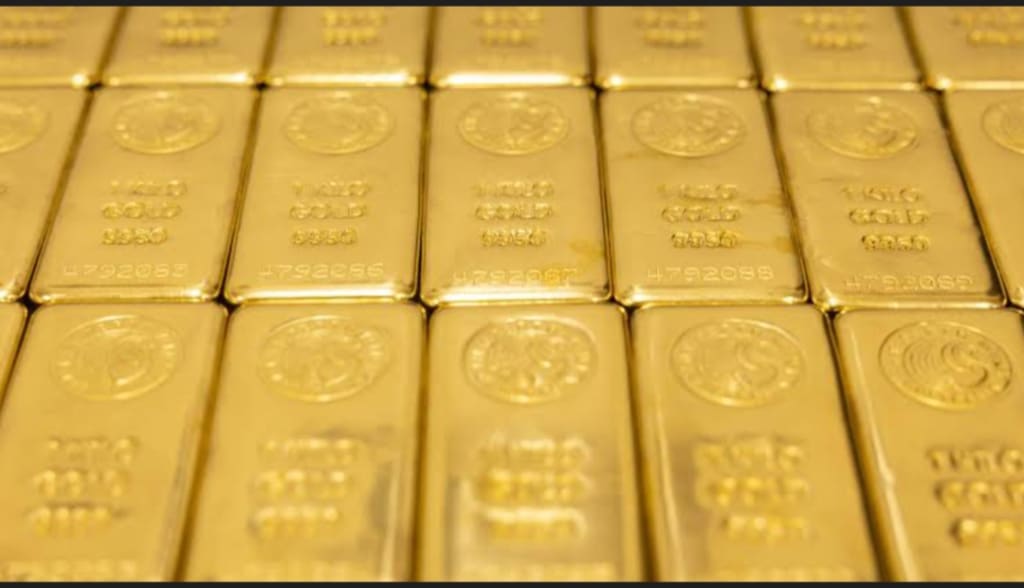
Gold prices staged a notable recovery on Monday after a sharp pullback last week, and Wall Street banks are increasingly telling clients that the dip may be a buying opportunity rather than a warning sign. From global investment banks to commodity strategists, a growing consensus is emerging: despite short-term volatility, the long-term case for gold remains intact.
The renewed optimism reflects a mix of macroeconomic uncertainty, geopolitical risk, and expectations that central banks will eventually shift toward more accommodative policies. As markets reassess interest rates, inflation, and currency trends, gold is once again finding favor among institutional investors.
---
Gold’s Recent Dip and Monday’s Recovery
Gold prices came under pressure recently as stronger-than-expected economic data and a firmer US dollar triggered profit-taking. Higher bond yields also weighed on the metal, which does not offer interest income and tends to struggle when real yields rise.
However, Monday’s rebound signaled that buyers were waiting on the sidelines. As prices stabilized, demand returned from both institutional and long-term investors, pushing gold higher and reinforcing the idea that the recent decline was a correction rather than a trend reversal.
Wall Street banks were quick to highlight this recovery as evidence of underlying strength in the market.
---
Why Banks Are Turning Bullish Again
Several major banks have reiterated or upgraded their gold outlooks, encouraging clients to “buy the dip.” Their reasoning is grounded in broader macro trends rather than short-term price action.
Key factors supporting their bullish stance include:
Persistent geopolitical risk: Conflicts and political uncertainty continue to drive demand for safe-haven assets.
Central bank buying: Global central banks remain strong buyers of gold as they diversify reserves away from the US dollar.
Long-term inflation risks: Even if inflation cools temporarily, structural pressures such as high debt and supply chain realignments remain.
Eventual rate cuts: Many banks believe interest rates are near their peak, which could lower real yields and support gold prices.
Taken together, these factors suggest that gold’s pullbacks may be opportunities rather than signals to exit.
---
The Role of Central Banks
One of the strongest pillars of the bullish gold narrative is sustained central bank demand. In recent years, central banks—particularly in emerging markets—have been accumulating gold at a rapid pace.
Wall Street analysts point out that this demand is less price-sensitive than speculative investment flows. Central banks buy gold for strategic reasons, including currency diversification and financial stability, which helps create a solid base of long-term demand.
This structural support reduces downside risk and reinforces the idea that dips are likely to attract buyers.
---
Dollar Strength vs. Gold Resilience
Traditionally, a stronger US dollar is a headwind for gold, and recent dollar gains contributed to last week’s sell-off. However, banks note that gold has shown surprising resilience even during periods of dollar strength.
This resilience suggests that gold is increasingly being treated not just as an inflation hedge, but as a hedge against broader systemic and geopolitical risks. In other words, gold’s role in portfolios may be expanding beyond traditional correlations.
Analysts argue that if the dollar weakens later in the year—as many forecasts suggest—gold could see renewed upside momentum.
---
Short-Term Volatility Still a Risk
Despite the optimistic outlook, Wall Street banks are not ignoring the risks. Short-term volatility remains a defining feature of the gold market, especially as investors react to economic data, central bank commentary, and shifts in bond yields.
Sudden spikes in yields or renewed hawkish signals from policymakers could trigger additional pullbacks. That said, banks generally frame these moves as tactical noise within a longer-term bullish trend.
For investors, the message is clear: timing the exact bottom is difficult, but gradual accumulation during dips may be a more effective strategy.
---
What This Means for Investors
The “buy the dip” call from Wall Street banks is not necessarily a signal for aggressive short-term trading. Instead, it reflects confidence in gold’s strategic role within diversified portfolios.
Long-term investors may view current levels as attractive entry points, particularly if they believe macro uncertainty will persist. Meanwhile, traders may look for confirmation of support levels before adding exposure.
Importantly, banks emphasize risk management, reminding clients that gold should complement—not replace—other assets.
---
Broader Market Implications
Gold’s recovery also has implications for the broader financial market. A sustained rise in gold prices can signal declining confidence in fiat currencies, rising geopolitical tension, or expectations of looser monetary policy.
As such, Wall Street’s renewed bullishness on gold may reflect deeper concerns about global economic stability, even as equity markets remain relatively strong.
---
Conclusion
Wall Street banks’ call to “buy the dip” in gold as prices recover on Monday underscores renewed confidence in the metal’s long-term outlook. While short-term volatility is likely to continue, the combination of geopolitical risk, central bank demand, and expectations of eventual rate cuts is keeping gold firmly on investors’ radar.
For now, the message from major financial institutions is consistent: gold’s recent pullback looks less like a breakdown and more like a pause—one that may offer opportunity for those willing to look beyond near-term market noise.
About the Creator
Keep reading
More stories from Salaar Jamali and writers in The Swamp and other communities.
China Grows Military-Grade Rubber in the Gobi Desert as War Reshapes Global Supply Chains
China has taken an unexpected but strategically significant step by cultivating military-grade rubber in the harsh environment of the Gobi Desert. The move comes as global conflicts, trade restrictions, and geopolitical rivalries continue to reshape supply chains for critical materials. Rubber—essential for military vehicles, aircraft components, missiles, and logistics equipment—has emerged as a strategic resource, and Beijing appears determined to reduce its dependence on foreign suppliers.
By Salaar Jamaliabout 10 hours ago in The Swamp
Benazir Income Support Program 8171: A Lifeline for Pakistan’s Vulnerable Communities
The Benazir Income Support Program (BISP) is one of Pakistan’s most significant social welfare initiatives, aimed at reducing poverty and providing financial assistance to the country’s most vulnerable populations. Launched in 2008, the program has evolved over the years to become a cornerstone of Pakistan’s social protection system. The 8171 service, introduced as part of BISP’s modernization, plays a crucial role in making the program more transparent, accessible, and efficient. This article explores the purpose, working mechanism, benefits, and impact of the Benazir Income Support Program 8171.
By Ayesha Lashari5 days ago in The Swamp
Pubs Receive Support Package Following Business Rates Backlash
Pubs across the UK have been offered a new support package following strong backlash from operators over rising business rates, a move that highlights the ongoing struggle facing the hospitality sector. After months of warnings from pub owners, industry groups, and local communities, the government has stepped in with measures designed to ease financial pressure on one of Britain’s most iconic institutions.
By Ayesha Lashari6 days ago in The Swamp




Comments
There are no comments for this story
Be the first to respond and start the conversation.