
Winter Storm Covers Parts of North-East US in Snow
Blizzard conditions in the north-east US bring heavy snow, travel chaos, power outages, and emergency declarations as communities grapple with extreme winter weather.

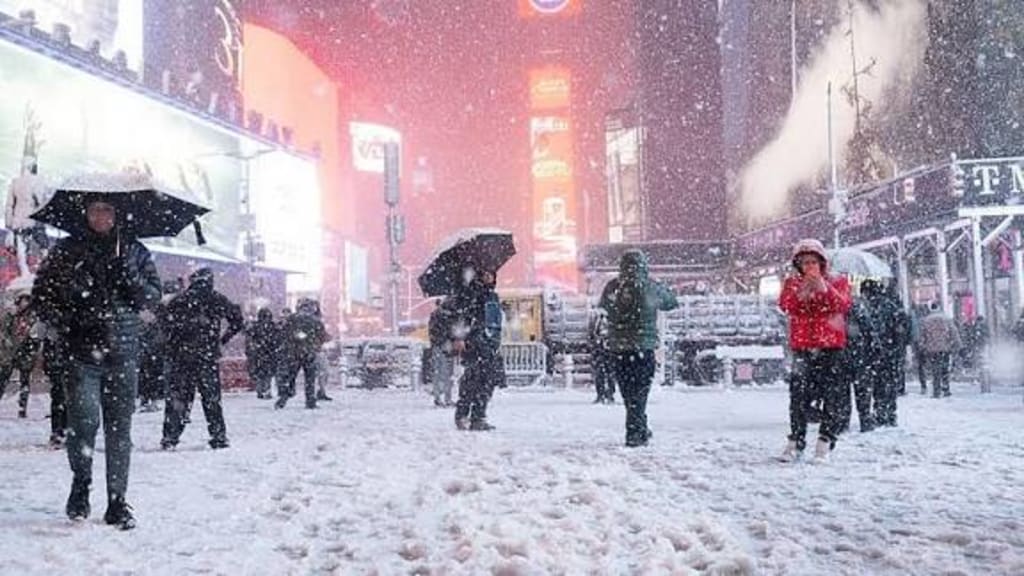
A powerful winter storm swept across the north-eastern United States this week, dumping heavy snow, disrupting transportation networks, and prompting states of emergency in multiple regions. The weather system, driven by an arctic cold front and moist Atlantic air, brought significant snowfall totals to areas from Pennsylvania up through New England, impacting travel, schools, utilities and day-to-day life for millions of residents.
Forecasters from the National Weather Service (NWS) reported snowfall totals exceeding 30 inches in some locations, with high winds producing dangerous blizzard conditions and drifting snow that reduced visibility to near zero. The storm—nicknamed “Blizzard Titan” by some local meteorologists—was among the most significant to hit the region in recent years.
Snowfall and Conditions
Heavy snow began accumulating late Tuesday night and continued through much of Thursday, with the most intense bands affecting parts of Upstate New York, Vermont, New Hampshire, and Maine. In several towns and rural counties, snowplows struggled to keep roads clear as drifts piled up, sometimes reaching several feet in height.
Temperatures plunged well below freezing, with wind chills making outdoor exposure dangerous even for short periods. In major cities such as Boston, New York City, and Philadelphia, officials warned that travel could become treacherous, urging residents to stay off the roads unless absolutely necessary.
Travel Disruptions
Airlines reported hundreds of flight cancellations at key airports including Boston Logan International Airport, Newark Liberty International Airport, and Philadelphia International Airport. Some travelers were left stranded overnight as storms made runway operations unsafe and delayed de-icing procedures.
Amtrak and regional rail services such as MBTA Commuter Rail and NJ Transit suspended portions of their schedules, citing unsafe track conditions and blocked routes. Interstate highways, particularly I-87 in New York and I-95 in Connecticut and Massachusetts, saw closures as state police advised motorists against attempting travel during peak snowfall.
“The combination of heavy, wet snow and high winds created severe blizzard conditions,” an NWS meteorologist said. “This isn’t just ordinary snowfall—visibility drops quickly, and even major routes can become impassable without significant plowing.”
Power Outages and Utility Strain
The storm’s fury did not spare power infrastructure. Thousands of residents experienced outages as heavy snow and ice brought down trees and power lines. Public utility crews worked around the clock to restore service, but officials warned that some rural areas might remain without electricity for days.
Utility companies issued safety advisories, urging residents to report downed lines and avoid contact with fallen wires. Emergency shelters opened in affected towns to provide warmth, food, and medical support for families impacted by outages.
Emergency Declarations and Local Responses
Governors of several states, including Massachusetts, New York, and Vermont, declared states of emergency ahead of the storm’s peak, activating the National Guard and deploying additional snow removal equipment. Schools in many districts switched to remote learning or closed entirely to keep students and staff safe.
Municipal officials also issued curfews or travel bans on local streets to allow plows unimpeded access and prevent accidents. Residents were advised to stock up on essentials and avoid leaving home if possible.
“Public safety is our top priority,” said one city emergency manager. “We are asking residents to help by staying off the roads, conserving power where possible, and checking on elderly neighbors.”
Economic and Community Impacts
Beyond immediate safety concerns, the storm poses economic challenges. Businesses faced layoffs due to closures, and supply chains were disrupted as freight movement slowed. Grocery stores saw rapid depletion of essential items such as bread, milk and bottled water as residents prepared for days indoors.
Communities also prepared for indirect effects, including possible flooding as snow begins to melt in the coming days, particularly where rain mixes with snow in warmer lower-elevation areas.
Looking Ahead
Meteorologists predict temperatures will remain well below average for at least a week following the storm, slowing snowmelt and prolonging hazardous conditions. While additional snowfall is not expected immediately, gusty winds and cold air will keep travel and outdoor work risky.
Officials emphasize patience and caution as cleanup continues, reminding residents that the storm’s full impact—including infrastructure restoration and road clearance—will require time, manpower, and community cooperation.
About the Creator
Fiaz Ahmed
I am Fiaz Ahmed. I am a passionate writer. I love covering trending topics and breaking news. With a sharp eye for what’s happening around the world, and crafts timely and engaging stories that keep readers informed and updated.
Keep reading
More stories from Fiaz Ahmed and writers in The Swamp and other communities.
US tourists stranded after Mexico drug lord’s killing sparks wave of violence
Hundreds of United States tourists are stranded in popular Mexican holiday destinations after the killing of one of the country’s most notorious cartel leaders sparked a sudden and violent backlash, prompting flight cancellations, travel advisories, and shelter‑in‑place orders across major resort areas. The violence erupted late on 22 February 2026 after Mexican security forces announced they had killed Nemesio Oseguera Cervantes, better known as El Mencho, the head of the powerful Jalisco New Generation Cartel (CJNG). The operation, which Mexican officials said involved federal troops operating in Jalisco state, immediately triggered a wave of retaliation from cartel members and affiliates across the region Violence Spills Into Tourist Hubs Cities and resort towns across Puerto Vallarta, Guadalajara, and other parts of Jalisco state saw roads blocked, vehicles and buildings torched, and fighting spill into surrounding neighborhoods as CJNG members sought revenge and to disrupt government activity. Burning barricades, smoke plumes, and reports of armed confrontations spread fear among both locals and visitors alike. The turmoil has had immediate consequences for travelers. The U.S. Department of State and several foreign ministries issued urgent warnings telling their citizens to shelter in place, avoid travel to certain states, and follow instructions from local authorities. In Puerto Vallarta — normally a bustling Pacific resort beloved by American tourists — taxis, ride‑shares and buses were suspended, and many shops and restaurants shut their doors as the situation deteriorated. Videos circulating online showed smoke rising near hotels and near the airport, where services were severely disrupted. Business Insider Flights Grounded, Tourists Stranded Major airlines, including United Airlines, Air Canada, Alaska Airlines, and other carriers canceled or diverted flights to and from both Puerto Vallarta and Guadalajara International Airport, leaving many tourists unable to return home as planned. San Francisco Chronicle Travelers caught in the chaos described long nights waiting for updates and scrambling for information amid limited transport options. “We were supposed to fly home Sunday afternoon, but everything has been canceled, and no one is telling us when we’ll leave,” said one U.S. tourist who asked not to be named. Another recounted seeing smoke from burning vehicles while walking near a hotel entrance. Government Advisories and Safety Measures The U.S. Embassy in Mexico and the Canadian Government both issued advisories urging citizens to avoid unnecessary movement, monitor news and security updates, and remain in safe locations such as their hotels or designated shelters until the unrest subsides. Foreign governments, including New Zealand and India, also released guidance encouraging citizens to stay updated on local conditions and keep emergency contact details handy. Authorities emphasized that while the violence was largely targeted at government forces and cartel rivals, the unpredictable nature of the clashes — including roadblocks and sporadic fires — made navigation outside secured areas too dangerous for foreigners and locals alike. Impact Beyond Jalisco The unrest has had ripple effects across Mexico’s tourism sector. Travel industry officials warned that broader economic consequences could follow if travelers postpone trips or cancel bookings to coastal destinations. The crisis also casts a shadow over other areas that attract tourists, including beaches and cultural regions beyond Jalisco, as authorities weighed whether to extend travel advisories. Business Insider The Bigger Picture Experts note that the spike in violence is a predictable response to the sudden vacuum left by El Mencho’s death. High‑profile cartel leaders often leave behind fragmented power structures that can trigger internal fighting and retaliation against government forces. While historical violence in Mexico has largely been targeted at rival groups, the current unrest has blurred lines, affecting public infrastructure and civilian mobility. For now, thousands of U.S. and international tourists remain in limbo, trying to stay safe and find a way home amid one of the most sudden spikes in violence the region has seen in recent years.
By Fiaz Ahmed a day ago in The Swamp
A Gathering of Evil Bosses
“I’m the queen of chin jutting while I smooth my hair, attacking, insulting, and deflecting to protect my appointer.” “Oh, please, Blondi, my hair is curled, highlighted, and longer than yours. I feature television commercials telling immigrants that we will give them a free plane ride home, and if they voluntarily turn themselves in, they will be allowed to legally apply for re-entry. It runs everywhere, and I look good in it! You can’t compete because of your blond hair. Mine is nicer, and my lips are prettier than yours.”
By Andrea Corwin 6 days ago in The Swamp



Comments
There are no comments for this story
Be the first to respond and start the conversation.